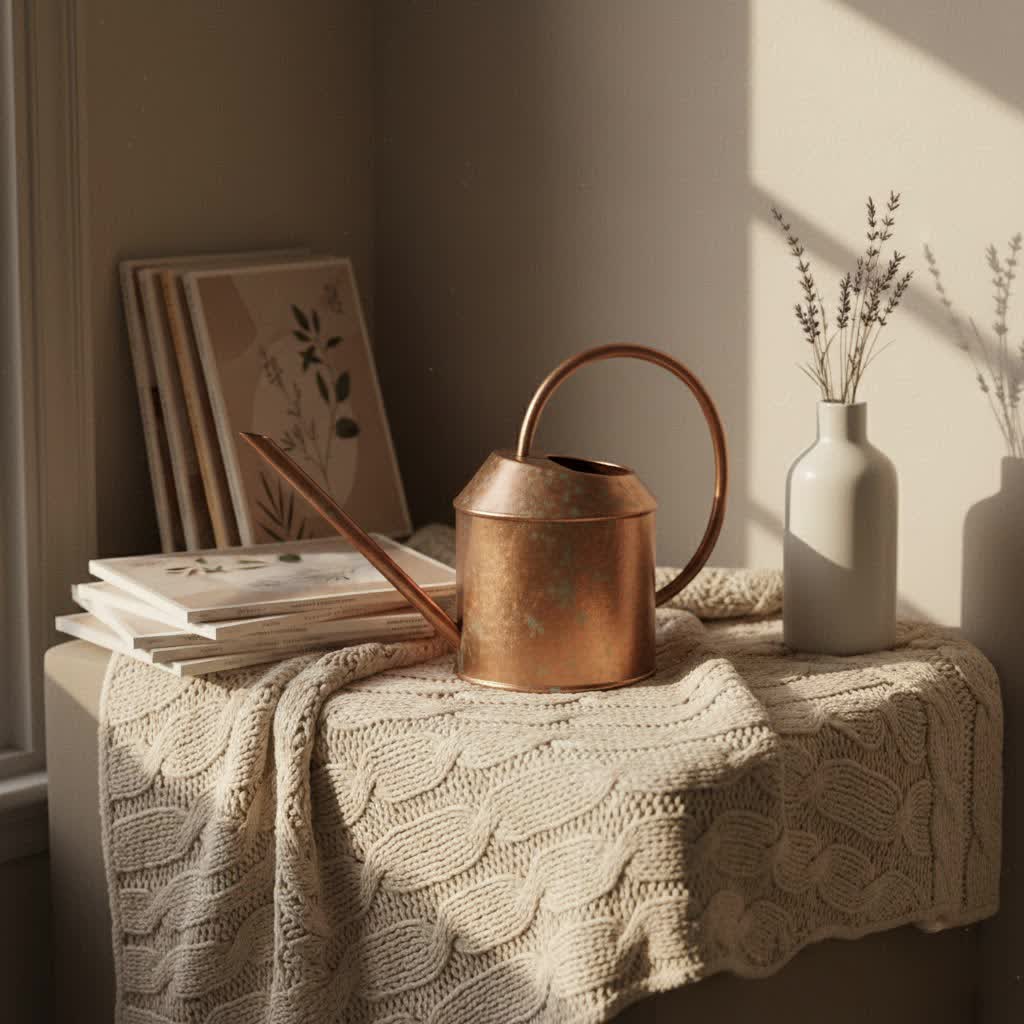
As a seasoned gardener with over a decade of experience nurturing everything from delicate indoor succulents to sprawling outdoor vegetable patches, I understand the unique joy and challenges that come with tending to plants. A good watering can is more than just a vessel for water; it’s an extension of your care, a tool that can make or break your gardening routine. While countless options exist, the metal watering can stands out for its blend of durability, elegance, and precision. This comprehensive guide will equip you with the insights and practical tips to select a metal watering can that becomes a trusted companion in your gardening journey, ensuring your plants receive the hydration they deserve with style and ease.
Understanding Watering Cans: Beyond the Basics
Choosing the ideal watering can involves more than just picking the prettiest one off the shelf. It requires understanding the fundamental differences in materials, designs, and capacities that cater to various gardening needs. For many, a metal watering can represents a superior investment, offering longevity and a timeless aesthetic that plastic or ceramic options often can’t match.
Common Watering Can Materials
While our focus today is primarily on metal, it’s helpful to understand the landscape of watering can materials to appreciate why metal often emerges as the preferred choice for discerning gardeners.
- Plastic Watering Cans:
- Pros: Lightweight, inexpensive, and readily available in a vast array of colors and designs. They are rust-proof and many are UV-resistant to prevent fading.
- Cons: Can be less durable, prone to cracking or becoming brittle over time, especially with prolonged sun exposure or rough handling. Often lack the aesthetic charm of other materials.
- Metal Watering Cans:
- Pros: Renowned for their strength, longevity, and classic appeal. Metal cans are highly resistant to UV degradation and extreme temperatures, making them suitable for both indoor and outdoor use. They offer superior balance and stability, reducing accidental spills.
- Cons: Generally heavier than plastic, especially when full, which can be a consideration for those with limited strength. Without proper care, some metals can be prone to rust or develop a patina. Typically more expensive than plastic counterparts.
- Types of Metal:
- Galvanized Steel: Steel coated with a layer of zinc to prevent rust. Offers good durability and a classic, rustic look. Excellent quality-to-price ratio. Can still rust if the coating is scratched or not dried properly.
- Stainless Steel: Offers maximum durability and is highly resistant to corrosion and rust. Easy to clean and maintain, with a sleek, modern aesthetic. Generally among the heavier and more expensive options.
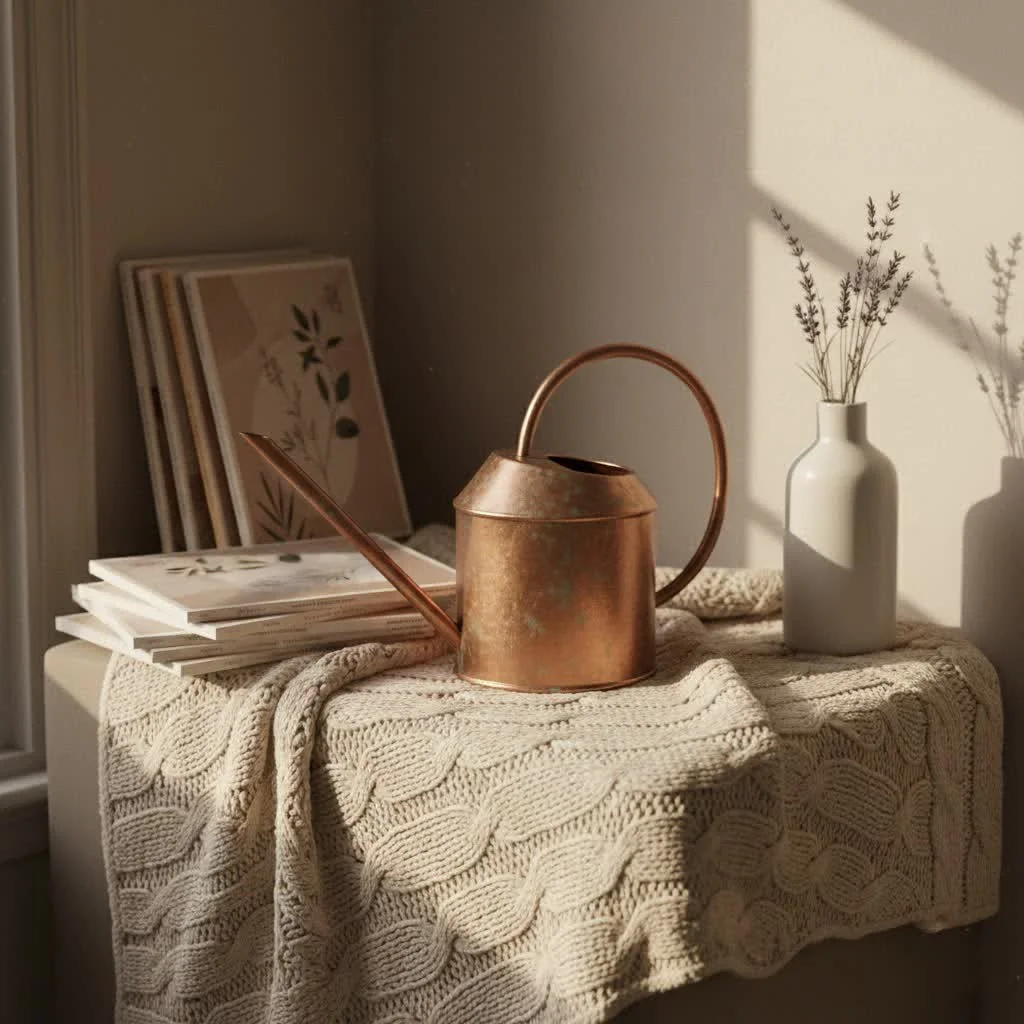
- Copper: Prized for its beautiful, evolving patina and natural antimicrobial properties. It is durable and highly decorative, making it a statement piece. Copper is typically the most expensive and heaviest option, and its patina (though desirable for some) needs specific care if a bright finish is preferred.
- Aluminum: Very lightweight and strong, making it easy to carry. However, it can be more prone to denting from strong impacts compared to steel or copper. Offers good corrosion resistance.
- Ceramic Watering Cans:
- Pros: Exquisitely decorative, often used as indoor decor. Their heft provides stability.
- Cons: Extremely fragile and prone to breakage, making them unsuitable for outdoor or heavy-duty use. Heavier than plastic and can be quite costly.
Comparing Watering Can Materials
|
Our Picks for the Best Watering Can in 2026
As an Amazon Associate I earn from qualifying purchases.
|
||
| Num | Product | Action |
|---|---|---|
| 1 | Indoor Plants Watering Can for Indoor Plants Long Probe Soil Moisture Meter Long Spout 47 oz Watering Cans Water Monitor Indicator for Pot Flower House Gardening Farming |

|
| 2 | 2 Gallon Watering Can, Garden Watering Can Outdoor, Plant Water Can with Removable Long Spout and Stainless Steel Sprinkler Head, Large Plastic Outdoor Watering Cans for Gardening Flower Plants |
|
| 3 | Plant Watering Can,35oz Metal Watering Can,Stainless Steel Indoor Plants with Long Curved Spout,Small Bonsai Outdoor Garden Modern Decorative(Black) |
|
| 4 | Watering Can for Indoor Outdoor Plants, Modern Small Watering Cans with Removable Nozzle, Long Spout Watering Can for Indoor Bonsai Plants Garden Flowers 1/2 Gallon 1.8L 60OZ (Dark Green) |
|
| 5 | 350ml Small Watering Can for Indoor Plants, 12oz Mini Plant Watering Pot with Long Spout and Handle, Black Tiny Stainless Steel Watering-Can for Outdoor Indoor Plants Flower Garden |
|
| 6 | Small Watering Can for Indoor Plants, Mini Indoor Watering Can with Long Spout and Handle 12 Oz / 350 ml Rust-Proof 304 Stainless Steel Material |
|
| 7 | 2 Gallon Watering Can, Outdoor Watering Can for Plants, Garden Water Can with Removable Long Spout and Stainless Steel Sprinkler Head, Large Water Can for Greenhouse (Dark Blue, 2 Gallon) |
|
| 8 | Long Spout Watering Can Indoor, Small Watering Cans for House Plants, Flowers, Succulents 33.8oz(Green) |
|
| 9 | Watering Can for Indoor and Outdoor Plants - Long Spout Water Can for Garden, Flower, House Plants - 1.8L/1/2 Gallon (Green) |
|
| 10 | Watering Can for Indoor Plants, 35 oz/1000 ml Metal Stainless Steel Pot with Long Spout for House Plants Bonsai Outdoor Garden Flower Decorative (Black) |
|
| Feature | Plastic Watering Cans | Metal Watering Cans | Ceramic Watering Cans |
|---|---|---|---|
| Durability | Low – Medium | High | Medium – Low |
| Price | Low | Medium – High | High |
| Weight | Light | Medium – Heavy | Medium – Heavy |
| Aesthetics | Low – Medium | Medium – High (Classic) | High (Decorative) |
| Rust Resistance | High (No rust) | Medium (Depends on coating/care) | High (No rust) |
| UV Resistance | Medium (Can degrade/fade) | High (Retains integrity) | High (Retains integrity) |
| Fragility | Medium | Low | High (Prone to breakage) |
Choosing the Right Capacity for Your Metal Watering Can
The capacity of your watering can is a crucial factor that directly impacts ease of use and efficiency. Selecting the right size ensures you can water all your plants without unnecessary refills or straining your body.
- Small (Under 1 Liter / 0.25 Gallon): Ideal for delicate indoor plants, succulents, bonsai, or seedlings. Their compact size and lightweight nature allow for precise watering in tight spaces, preventing overwatering of small pots.
- Medium (1-3 Liters / 0.25-0.75 Gallons): A versatile choice for balcony gardens, small outdoor container arrangements, or a moderate number of houseplants. These cans offer a good balance between carrying capacity and manageable weight, reducing frequent trips to the tap without being too cumbersome.
- Large (Over 3 Liters / 0.75 Gallons): Best suited for extensive outdoor gardens, multiple large planters, or when you have many plants to water. While heavier when full, they minimize refills, saving time and effort for larger watering tasks. Consider models with dual handles for better weight distribution and control.
Key Features to Look for in a Quality Metal Watering Can
Beyond material and size, several design and construction elements contribute to a metal watering can’s overall performance, durability, and user experience.
- Material and Finish: Prioritize galvanized or powder-coated steel for enhanced rust resistance. Stainless steel offers maximum durability and corrosion resistance. Copper develops a beautiful patina over time, which many gardeners appreciate for its vintage appeal. Always look for thick-gauge metal, as thinner metals can dent easily.
- Spout Design: The spout determines the water flow and precision.
- Long, Slender Spout (Gooseneck): Provides exceptional control, allowing you to direct water precisely to the soil line of indoor plants or hanging baskets, avoiding foliage.
- Removable Rose (Sprinkler Head): Essential for delicate plants, seedlings, or widespread watering. The rose disperses water into a gentle, rain-like shower, preventing soil disturbance and plant damage. Many quality metal cans offer a removable rose for versatile use.
- Dual Functionality: Some cans offer spouts that can switch between a fine spray and a steady stream.
- Handle and Balance: An ergonomic handle is critical for comfortable use, especially when the can is full. Look for designs that offer a comfortable grip and good balance. Dual-handle designs (one for carrying, one for pouring) significantly improve maneuverability and reduce wrist strain, particularly with larger capacities.
- Build Quality: Inspect the can for seamless welds and sturdy construction. Poorly welded seams or thin metal can compromise the can’s longevity and lead to leaks or damage over time. A robust base also helps prevent tipping.
- Aesthetics: Metal watering cans are often chosen for their visual appeal. Whether you prefer a rustic galvanized look, a polished stainless steel finish, or the evolving beauty of copper, select a design that complements your gardening space and personal style. It’s a tool you’ll likely want to display, not hide away.
Maintaining Your Metal Watering Can for Lasting Beauty and Function
Proper care is paramount to ensuring your metal watering can remains a functional and beautiful tool for years to come. Neglecting maintenance can lead to rust, mineral buildup, and premature wear.
- Empty and Dry After Each Use: The most crucial step. Standing water, especially in galvanized or steel cans, can accelerate rust and mineral deposits. Tip out any leftover water and allow the can to air dry completely. For hard-to-reach areas, use a soft cloth to wick away moisture.
- Regular Cleaning: Periodically clean your watering can with mild soap and warm water. Use a soft brush to scrub the interior and exterior surfaces, paying attention to the spout and rose, where mineral deposits and algae can accumulate. Rinse thoroughly. For brass or copper, a lemon juice and salt paste can restore shine if you prefer to remove patina.
- Proper Storage: Store your metal watering can in a dry, sheltered location when not in use. Avoid leaving it outdoors exposed to rain, humidity, or direct sunlight, which can promote rust and degradation. An indoor shed, garage, or even a decorative spot in your home is ideal.
- Avoid Freezing Water: Never leave water in your metal watering can in freezing temperatures. As water expands when it freezes, it can severely distort and damage the metal body of the can, particularly the bottom.
- Rust Prevention: For galvanized or steel cans, if scratches or rust spots appear, consider touching them up with a rust-resistant spray or paint to prevent further corrosion. For copper, embrace the patina or use specialized copper polish if a shiny finish is desired.
“A well-chosen and properly maintained metal watering can transcends its utility, becoming a cherished heirloom that tells the story of your garden for generations.” – Sophia Green, Master Gardener.
Top Metal Watering Cans: Our Recommendations
Based on extensive experience and a keen eye for quality, here are some examples of outstanding metal watering can designs that excel in durability, functionality, and aesthetic appeal.
- The Classic Gardener’s Galvanized Can:
- Review: This robust galvanized steel can is a workhorse for any outdoor enthusiast. Its large capacity and sturdy construction make it perfect for extensive garden beds and mature plants. The classic design features a comfortable top handle for carrying and a rear handle for balanced pouring.
- Pros: Exceptional durability, traditional aesthetic, excellent for heavy-duty outdoor use, rust-resistant galvanized coating.
- Cons: Heavier when full, can develop a rustic patina over time which may not appeal to all.
- Indoor Elegance Stainless Steel Pourer:
- Review: Crafted from sleek stainless steel, this can embodies modern elegance. Its smaller capacity and slender gooseneck spout are engineered for precision, making it the ultimate tool for nurturing houseplants and delicate herbs.
- Pros: Rust-proof, lightweight for indoor use, precise watering, stylish, ergonomic handle for comfort.
- Cons: Limited capacity for larger gardens, higher price point.
- Heritage Copper Watering Pot:
- Review: A true statement piece, this solid copper watering pot combines functionality with breathtaking beauty. Over time, it will develop a unique patina, adding character to your garden decor. Its balanced design makes it a joy to use for both indoor and outdoor container plants.
- Pros: Stunning aesthetic, naturally antimicrobial, exceptionally durable, develops a beautiful patina.
- Cons: Significant investment, heaviest option, requires specific care to maintain shine if desired.
- Lightweight Aluminum Long Spout:
- Review: Designed for those who value ease of handling, this aluminum can offers a light yet sturdy alternative. Its long, thin spout reaches easily into hanging baskets and dense foliage, providing a controlled flow without the heft.
- Pros: Very lightweight, good corrosion resistance, ideal for reaching difficult spots, comfortable single-handle design.
- Cons: More susceptible to dents than steel or copper, lighter feel may not appeal to those preferring substantial tools.
- Heavy-Duty Outdoor Steel Can with Dual Handles:
- Review: Engineered for serious outdoor gardening, this large steel can features a robust build and an innovative dual-handle system that makes transporting and pouring heavy loads remarkably easy. It comes with a detachable rose for versatility.
- Pros: High capacity, superior balance and control with dual handles, durable powder-coated steel, removable rose for varied watering needs.
- Cons: Large footprint for storage, considerable weight when fully loaded.
Detailed Comparison of Recommended Metal Watering Cans
| Product | Capacity (Liters/Gallons) | Material | Price Range | Pros | Cons |
|---|---|---|---|---|---|
| The Classic Gardener’s Galvanized Can | 8L / 2.1 gal | Galvanized Steel | Medium | Durable, classic look, rust-resistant | Heavy, patina development |
| Indoor Elegance Stainless Steel Pourer | 1.5L / 0.4 gal | Stainless Steel | High | Rust-proof, precise, sleek design | Small capacity, expensive |
| Heritage Copper Watering Pot | 4L / 1.0 gal | Copper | Very High | Beautiful, antimicrobial, very durable | Very expensive, heaviest, patina care |
| Lightweight Aluminum Long Spout | 2L / 0.5 gal | Aluminum | Medium | Very light, easy to handle, long reach | Prone to dents, less substantial feel |
| Heavy-Duty Outdoor Steel Can | 10L / 2.6 gal | Powder-Coated Steel | Medium | High capacity, dual handles, versatile rose | Very heavy when full, large |
Your Metal Watering Can Buying Journey: A Step-by-Step Guide
Embarking on the quest for the perfect metal watering can should be an enjoyable process. By following these steps, you can confidently choose a can that will serve your gardening needs for years to come.
- Assess Your Needs: Begin by considering where and how you’ll use the watering can most often. Is it for delicate indoor plants, a bustling balcony, or a sprawling garden? This will guide your decisions on capacity and spout type.
- Research Materials and Features: Delve into the pros and cons of galvanized steel, stainless steel, copper, and aluminum. Think about spout length, handle design, and whether a removable rose is essential for your plants.
- Consider Your Budget: Metal watering cans vary widely in price. Determine how much you’re willing to invest, keeping in mind that a higher-quality metal can is a long-term investment that can outlast many cheaper alternatives.
- Read Reviews and Ask for Recommendations: While I’ve shared my expertise, hearing from other gardeners about their experiences with specific models and brands can provide valuable insights. Look for comments on durability, ease of use, and common issues.
- Purchase from Reputable Sources: Buy your watering can from trusted gardening suppliers, hardware stores, or online retailers known for quality products and good customer service. This ensures you receive an authentic, well-made item.
Conclusion
A metal watering can is far more than just a gardening tool; it’s an investment in efficiency, aesthetics, and the long-term health of your plants. With over a decade spent in the garden, I’ve seen firsthand how the right tools can elevate the entire experience. By understanding the different materials, capacities, and features available, you can select a metal watering can that not only performs impeccably but also adds a touch of timeless charm to your gardening haven. From the precision of a slender spout tending to a delicate fern to the robust flow hydrating a vibrant rose bush, a quality metal watering can truly is a gardener’s best friend. Which metal masterpiece will you choose to embark on your next watering adventure?
Frequently Asked Questions
Should I choose a metal or plastic watering can?
While plastic cans are lighter and cheaper, metal watering cans generally offer superior durability, resistance to UV rays, and a more elegant aesthetic. Metal cans, particularly those made from galvanized or stainless steel, are a long-term investment, though they are heavier and may require more care to prevent rust. Your choice depends on prioritizing weight and initial cost versus longevity, style, and environmental impact.
How do I prevent my metal watering can from rusting?
To prevent rust, always empty your metal watering can completely after each use and dry it thoroughly, especially in areas where water might collect. Store it indoors in a dry place, away from humidity. If the protective coating gets scratched, consider applying a rust-resistant sealant. Never leave water in a metal can in freezing temperatures, as ice expansion can damage the metal.
What capacity metal watering can is best for houseplants?
For houseplants, a small metal watering can, typically under 1 liter (0.25 gallons), is ideal. Its compact size and precise, often gooseneck, spout allow you to water delicate plants accurately without splashing soil or overwatering. This size is easy to handle and store, making it perfect for indoor use.
Are copper watering cans worth the higher price?
Copper watering cans are a significant investment due to their material cost and craftsmanship. They offer exceptional durability, a unique antimicrobial property, and develop a beautiful, distinctive patina over time. If you value a striking aesthetic, a tool that can last for generations, and don’t mind the heavier weight or specific care for maintaining shine, a copper watering can can be a worthwhile splurge.
Can I leave my metal watering can outside?
While some metal watering cans (especially galvanized or powder-coated steel) are designed for outdoor use, it’s generally best to store them indoors or in a sheltered, dry location when not in use. Prolonged exposure to rain, direct sunlight, and humidity, particularly if not thoroughly dried, can accelerate rusting or impact the finish. Crucially, never leave water in it in freezing weather to avoid damage.
Get our weekly buyer guide
Practical specs, not advice. Unsubscribe anytime.
