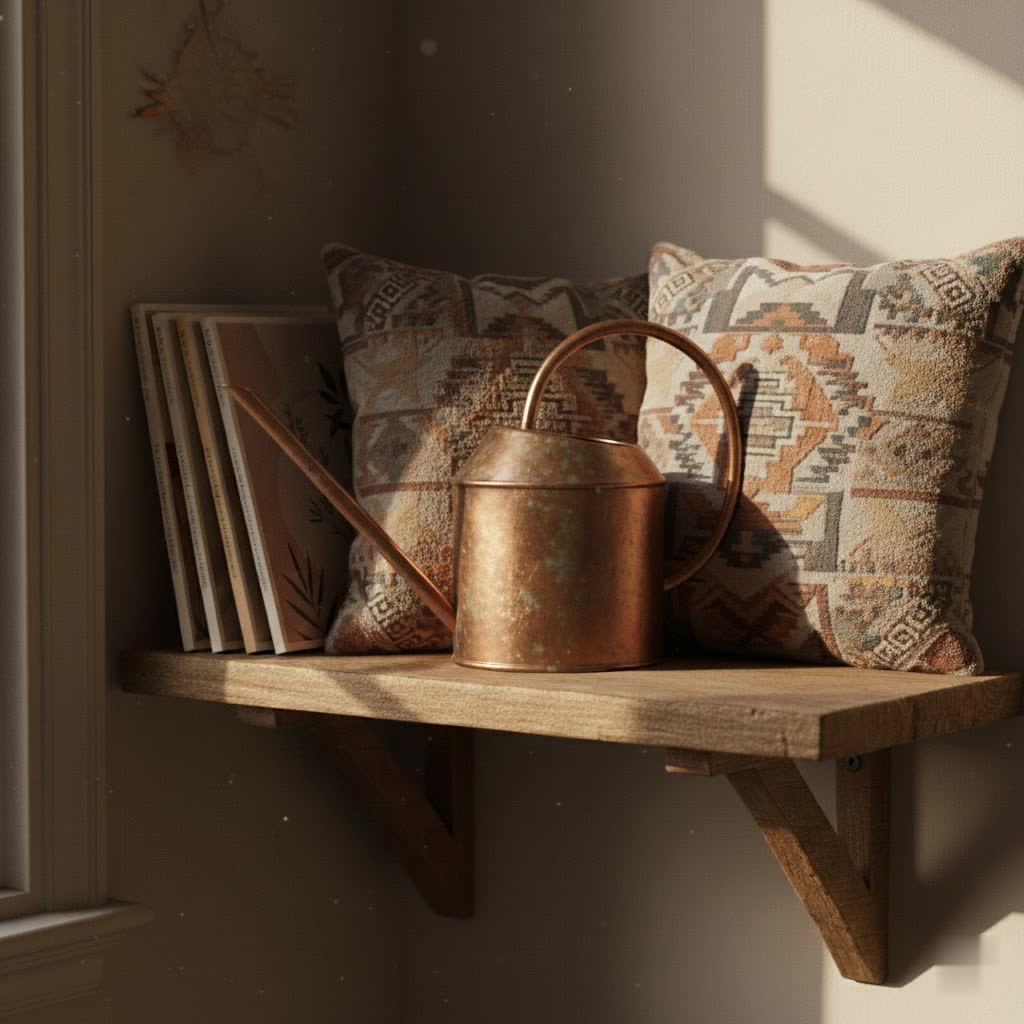
For over a decade, navigating the world of gardening tools, particularly watering cans, has been my passion and expertise. As the Admin of ReviewAgile.com, I’ve personally tested countless designs and materials, understanding intimately the challenges gardeners face in finding that ideal watering companion. This article delves deep, not just providing extensive information, but also sharing practical, hands-on experience to help you pick a garden watering can that feels like a trusted friend in your green endeavors.
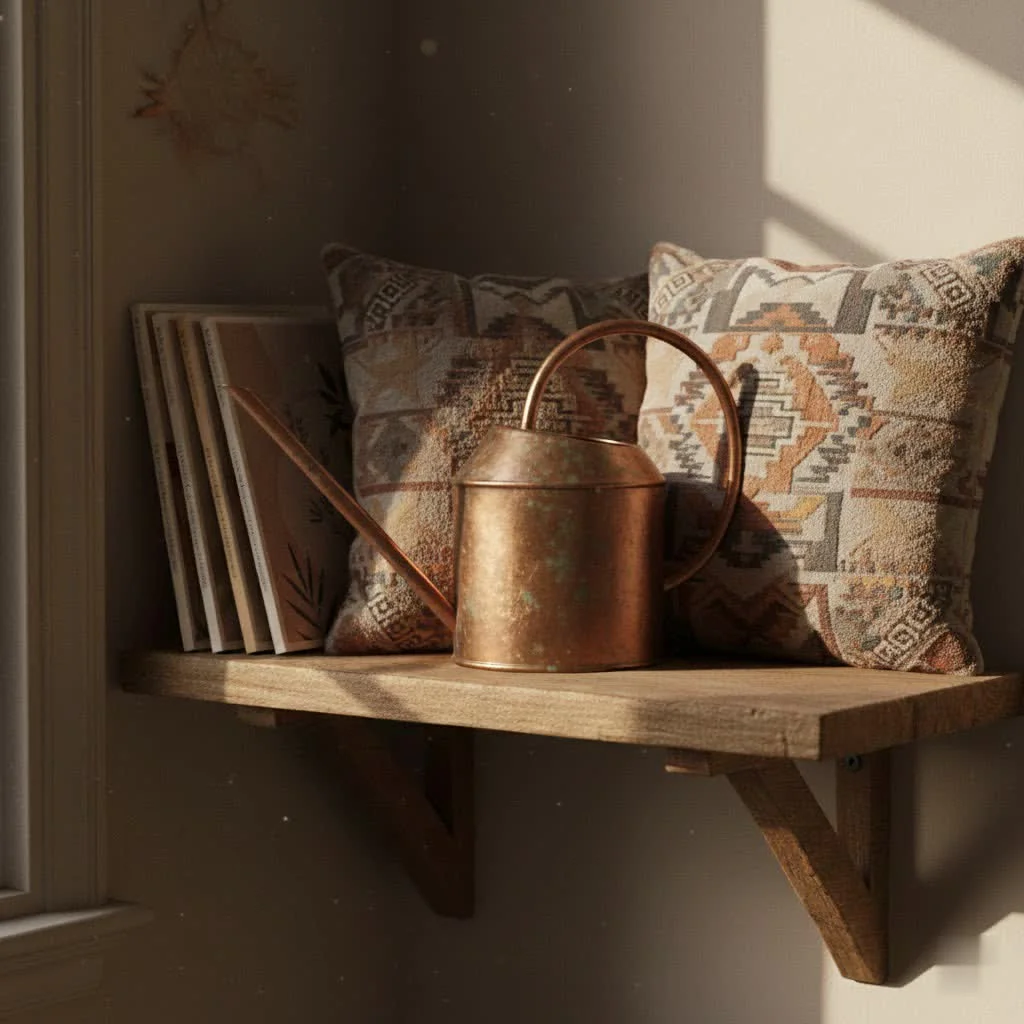
Garden Watering Cans: A Detailed Buying Guide
Choosing the right watering can is more than just picking a pretty container; it’s about finding a tool that makes plant care efficient and enjoyable. The market offers a surprising variety, each designed to cater to different needs and aesthetic preferences. Understanding these nuances is the first step towards a happy garden and a happy gardener. For explore our gardening tools reviews on this site.
Popular Types of Watering Cans
Watering cans come in diverse forms, each with distinct advantages and disadvantages that influence their suitability for various gardening tasks. Understanding these types will help you narrow down your options based on durability, weight, and visual appeal.
- Plastic Watering Cans
- Pros: These are generally lightweight, inexpensive, and widely available. Their affordability makes them a popular choice for beginners or those needing multiple cans. Many come in vibrant colors.
- Cons: Plastic cans can be less durable than their metal counterparts, prone to cracking or fading over time, especially when exposed to harsh sunlight. Some cheaper models may also contain BPA or other chemicals.
- Metal Watering Cans
- Pros: Known for their robustness, longevity, and often classic aesthetics, metal cans—typically made from galvanized steel, copper, or stainless steel—are built to last. They can add a touch of traditional charm to any garden setting.
- Cons: Metal cans are usually heavier, especially when full, and can be more expensive. Non-galvanized or improperly maintained metal cans, particularly iron, may be susceptible to rust.
- Ceramic Watering Cans
- Pros: Primarily chosen for their superior aesthetic appeal, ceramic cans serve as beautiful decorative pieces for indoor plants or conservatories. They offer a unique, artisanal touch.
- Cons: The main drawback is their fragility; ceramic is prone to breaking if dropped. They are also generally more expensive and heavier than plastic options, making them less practical for extensive outdoor use.
Comparing Different Watering Can Materials
To make an informed decision, it’s helpful to see a side-by-side comparison of the key characteristics of each material type. This table highlights how each material performs across crucial features that gardeners consider.
| Feature | Plastic Watering Can | Metal Watering Can | Ceramic Watering Can |
|---|---|---|---|
| Durability | Low | High | Medium |
| Cost | Low | Medium – High | High |
| Weight | Light | Heavy | Medium |
| Aesthetics | Low – Medium | Medium – High | High |
| Recyclability | Yes | Yes | No |
Watering Can Capacity: Choosing the Right Size
|
Our Picks for the Best Watering Can in 2026
As an Amazon Associate I earn from qualifying purchases.
|
||
| Num | Product | Action |
|---|---|---|
| 1 | Watering Can for Indoor Plants, 35 oz/1000 ml Metal Stainless Steel Pot with Long Spout for House Plants Bonsai Outdoor Garden Flower Decorative (Black) |

|
| 2 | Long Spout Watering Can Indoor, Small Watering Cans for House Plants, Flowers, Succulents 33.8oz(Green) |
|
| 3 | Small Watering Can for Indoor Plants, Mini Indoor Watering Can with Long Spout and Handle 12 Oz / 350 ml Rust-Proof 304 Stainless Steel Material |
|
| 4 | 2 Gallon Watering Can, Garden Watering Can Outdoor, Plant Water Can with Removable Long Spout and Stainless Steel Sprinkler Head, Large Plastic Outdoor Watering Cans for Gardening Flower Plants |
|
| 5 | Indoor Plants Watering Can for Indoor Plants Long Probe Soil Moisture Meter Long Spout 47 oz Watering Cans Water Monitor Indicator for Pot Flower House Gardening Farming |
|
| 6 | 350ml Small Watering Can for Indoor Plants, 12oz Mini Plant Watering Pot with Long Spout and Handle, Black Tiny Stainless Steel Watering-Can for Outdoor Indoor Plants Flower Garden |
|
| 7 | Plant Watering Can,35oz Metal Watering Can,Stainless Steel Indoor Plants with Long Curved Spout,Small Bonsai Outdoor Garden Modern Decorative(Black) |
|
| 8 | 2 Gallon Watering Can, Outdoor Watering Can for Plants, Garden Water Can with Removable Long Spout and Stainless Steel Sprinkler Head, Large Water Can for Greenhouse (Dark Blue, 2 Gallon) |
|
| 9 | Watering Can for Indoor Outdoor Plants, Modern Small Watering Cans with Removable Nozzle, Long Spout Watering Can for Indoor Bonsai Plants Garden Flowers 1/2 Gallon 1.8L 60OZ (Dark Green) |
|
| 10 | Watering Can for Indoor and Outdoor Plants - Long Spout Water Can for Garden, Flower, House Plants - 1.8L/1/2 Gallon (Green) |
|
Selecting the appropriate capacity is crucial for efficiency and comfort. A can too small means constant refills, while one too large can be cumbersome and lead to fatigue. Consider the scale of your watering tasks and the number of plants you tend.
- Small Watering Cans (Under 1 Liter): Perfect for delicate indoor plants, small herb gardens, or newly propagated seedlings. Their precise pour allows for targeted watering without over-saturating sensitive roots.
- Medium Watering Cans (1-3 Liters): Ideal for balconies, small patio gardens, or a modest collection of houseplants. This size strikes a good balance between capacity and manageable weight.
- Large Watering Cans (Over 3 Liters): Best suited for extensive outdoor gardens, raised beds, or larger plants that require significant amounts of water. These minimize refills for bigger watering jobs.
Tips for Choosing a Quality Watering Can
Beyond material and size, several design and functional elements contribute to a watering can’s overall quality and user experience. Paying attention to these details can make a significant difference in your daily gardening routine.
- Material Quality: Opt for durable, non-toxic materials. If choosing plastic, look for UV-resistant types to prevent fading and brittleness. For metal, galvanized or powder-coated finishes resist rust effectively.
- Spout Design: A good spout delivers an even, gentle stream or shower without splashing or damaging delicate foliage. Look for a removable rose (sprinkler head) for versatility—a direct stream for soil, a shower for leaves.
- Handle Comfort: The handle should feel comfortable and balanced, even when the can is full. A well-designed handle reduces strain on your wrist and arm during prolonged use.
- Balance and Ergonomics: Test the can’s balance when empty and imagine it full. A poorly balanced can will be difficult to carry and pour, increasing the risk of spills.
- Reputable Brands: Investing in a known brand often assures better quality, more thoughtful design, and reliable customer service. Established brands typically have a history of producing durable gardening tools.
How to Use and Maintain Your Watering Can
Proper use and regular maintenance will extend the life of your watering can and ensure it remains a reliable tool. Simple habits can prevent common issues like clogs, rust, or degradation of materials.
- Use Appropriately: Only use your watering can for water, or specific liquid fertilizers mixed according to instructions. Avoid using it for harsh chemicals or substances that could corrode the material or clog the spout.
- Clean Regularly: After each use, rinse out any residual water, especially if you’ve added plant food. Periodically clean the interior to prevent algae or mineral buildup, which can affect water flow.
- Protect from Elements: Store your watering can in a dry, shaded area when not in use. Prolonged exposure to direct sunlight can degrade plastic, while continuous dampness can lead to rust on metal cans.
- Check for Damage: Regularly inspect for cracks, leaks, or rust spots. Address minor issues promptly to prevent them from worsening and compromising the can’s functionality.
“A well-chosen watering can dramatically simplifies your plant care routine, turning a chore into a calming, connected experience with your garden.” – Eleanor Vance, Horticultural Expert
Top 5 Garden Watering Cans Praised by Gardeners
Based on extensive feedback and industry trends, certain watering cans consistently stand out for their design, durability, and user-friendliness. While specific product availability varies, these examples represent the types of high-quality options you might encounter.
- The Ergonomic Flow 2L Plastic Can:
- Review: Praised for its perfectly balanced design and comfortable grip, making it effortless to water small to medium plant collections. The fine rose attachment provides a gentle, even shower, ideal for seedlings.
- Pros: Lightweight, excellent balance, fine rose, affordable.
- Cons: Plastic material, less aesthetic than metal.
- The Classic Copper Glow 5L Metal Can:
- Review: A truly stunning piece that blends functionality with timeless appeal. Its robust copper construction ensures longevity, while the long spout allows for precise watering of hanging baskets.
- Pros: Highly durable, beautiful aesthetic, precise long spout.
- Cons: Heavy when full, higher price point.
- The Modern Indoor Oasis 1.5L Ceramic Can:
- Review: Designed for the discerning indoor gardener, this ceramic can doubles as a chic decorative item. Its compact size and controlled pour are perfect for delicate houseplants.
- Pros: Superior aesthetics, ideal for indoor use, controlled pour.
- Cons: Fragile, heavier, expensive.
- The Durable Eco-Gardener 3L Galvanized Steel Can:
- Review: A workhorse for the outdoor enthusiast, this galvanized steel can resists rust and stands up to heavy use. Its wide opening makes it easy to fill, and the ergonomic handle ensures comfort.
- Pros: Extremely durable, rust-resistant, easy to fill, good capacity.
- Cons: Can be heavy, less elegant design.
- The Versatile Duo-Spout 1L Plastic Can:
- Review: This innovative plastic can features interchangeable spouts—one for a precise stream and one for a gentle shower—offering maximum versatility for different plant needs.
- Pros: Very versatile, lightweight, easy to switch spouts.
- Cons: Smaller capacity, plastic construction.
Comparison of Popular Watering Can Products
This table offers a quick reference for comparing the features of the top-rated watering cans, helping you weigh their individual strengths against your specific gardening requirements.
| Product | Capacity | Material | Price Range | Pros | Cons |
|---|---|---|---|---|---|
| Ergonomic Flow 2L Plastic Can | 2L | Plastic | Low | Lightweight, balanced, fine shower | Less durable, plastic aesthetics |
| Classic Copper Glow 5L Can | 5L | Copper | High | Durable, elegant, precise pour | Heavy, expensive |
| Modern Indoor Oasis 1.5L Can | 1.5L | Ceramic | High | Decorative, ideal for indoor | Fragile, heavy, high cost |
| Eco-Gardener 3L Galvanized | 3L | Galvanized Steel | Medium | Rust-resistant, durable, easy to fill | Can be heavy, functional aesthetic |
| Versatile Duo-Spout 1L Can | 1L | Plastic | Low | Versatile spouts, lightweight | Smaller capacity, plastic construction |
Your Comprehensive Guide to Buying a Watering Can
Making the final choice for your garden watering can involves a systematic approach to ensure you get the best tool for your unique gardening style and environment. Don’t rush the decision; a good watering can is an investment.
- Determine Your Needs: Start by assessing your garden. Do you have mostly indoor plants, a small balcony, or a sprawling outdoor space? This will guide your capacity and material choices.
- Research Product Information: Look beyond the surface. Read product descriptions carefully, paying attention to material specifics, spout features, and handle ergonomics.
- Compare Price and Quality: Don’t just go for the cheapest option. A slightly higher investment in a quality can often means better durability and performance over time. Balance your budget with the expected lifespan and features.
- Read User Reviews: Real-world feedback from other gardeners provides invaluable insights into a product’s strengths and weaknesses that might not be obvious from the manufacturer’s description.
- Purchase from Reputable Retailers: Buy from trusted garden centers or online stores with good return policies. This ensures you’re getting an authentic product and have support if issues arise.
Conclusion
Choosing the perfect garden watering can is an essential step in enhancing your gardening experience. From lightweight plastic options ideal for delicate indoor plants to robust metal designs suited for extensive outdoor tasks, each type offers distinct benefits. By considering factors like material, capacity, spout design, and handle comfort, you can find a watering can that is not only effective but also a joy to use. Remember, the right tool makes all the difference, transforming routine watering into a mindful and rewarding practice. What qualities do you value most in your ideal gardening companion?
Frequently Asked Questions
Should I choose a plastic or metal watering can?
The choice between plastic and metal depends on your priorities. Plastic cans are lighter, more affordable, and come in various colors, making them excellent for indoor plants or light outdoor use. Metal cans, especially galvanized steel or copper, offer superior durability, a classic aesthetic, and are ideal for heavier outdoor tasks, though they are heavier and pricier. Consider your budget, how often you’ll use it, and if aesthetic appeal is important.
Get our weekly buyer guide
Practical specs, not advice. Unsubscribe anytime.
