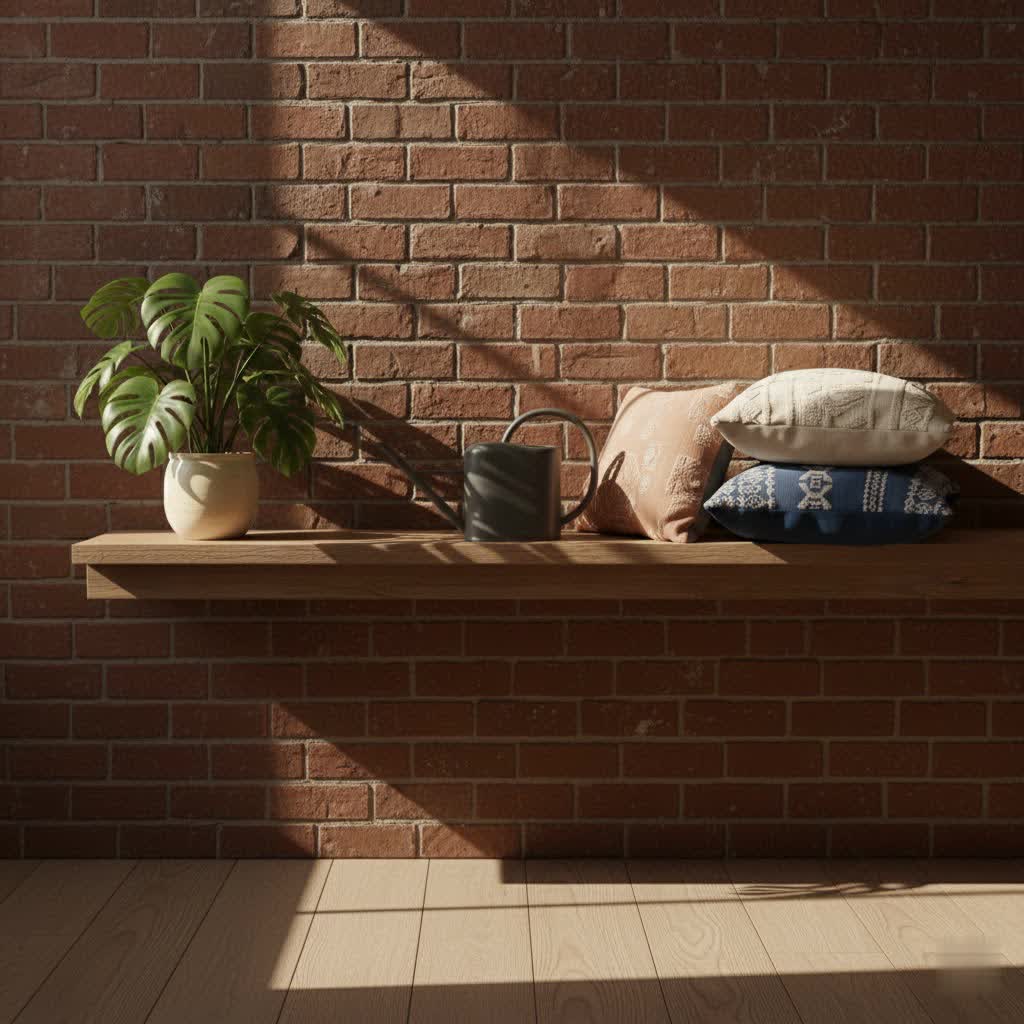
For seasoned gardeners and budding plant enthusiasts alike, the subtle art of nurturing indoor greenery, delicate succulents, and vibrant herbs thrives on precision. In the world of miniature plant care, a tiny watering can isn’t just a tool; it’s an indispensable companion that ensures your beloved plants receive the exact hydration they need without a drop misplaced. Unlike their larger outdoor counterparts, these compact watering cans are specifically designed to navigate the intricate world of indoor pots and confined spaces, transforming a routine chore into a gentle, meditative act. With over a decade of personal experience cultivating various indoor species and experimenting with countless watering tools, I understand the unique challenges faced when selecting the ideal tiny watering can. This comprehensive guide will equip you with the insights and practical advice to choose a watering can that’s not just functional, but also a joy to use.
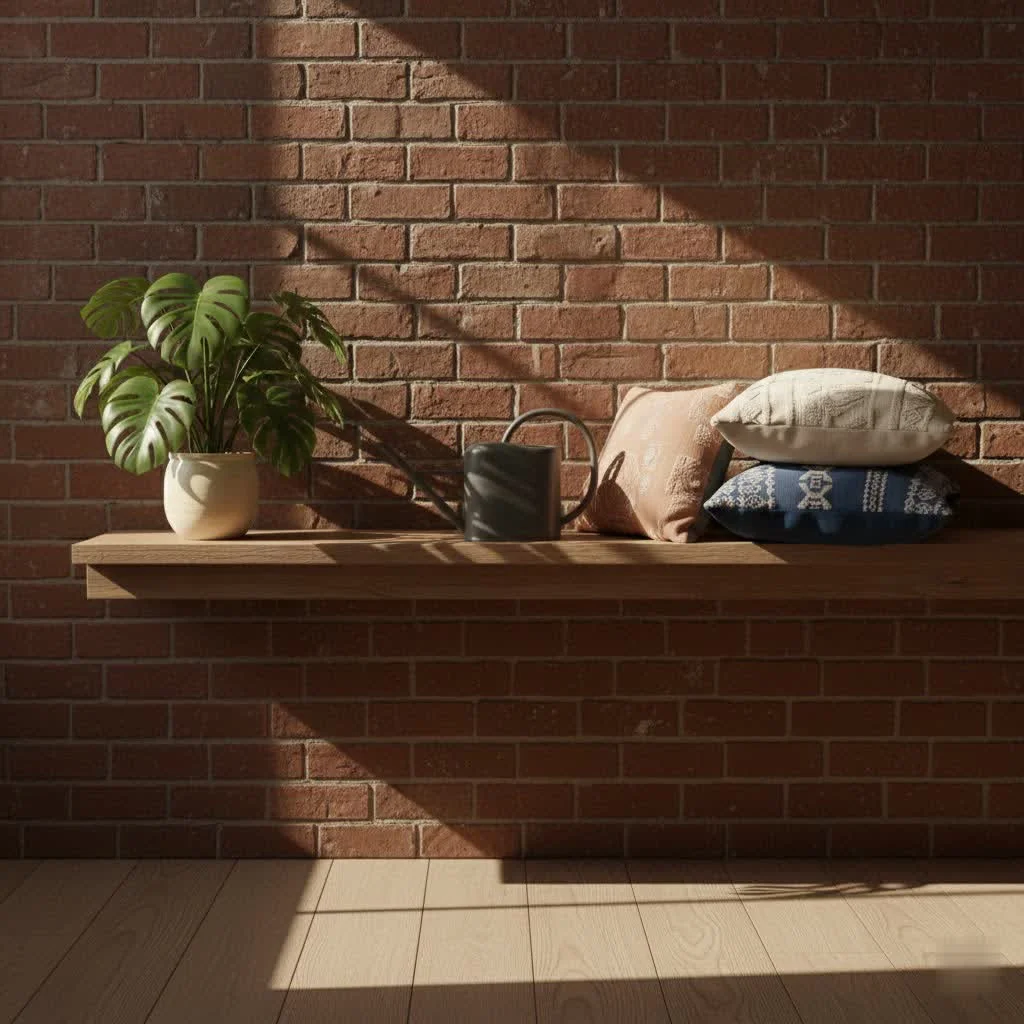
Why a Tiny Watering Can is Indispensable for Indoor Gardening
A tiny watering can might seem like a niche item, but its benefits for indoor plant care are profound.
- Precision Watering: Indoor plants, especially succulents, orchids, and seedlings, often have specific watering requirements. A long, narrow spout on a tiny watering can allows for targeted watering directly to the soil, avoiding delicate foliage and preventing water from splashing onto leaves, which can lead to fungal issues or sunburn. This precision is crucial for promoting healthy root growth without disturbing the plant’s structure.
- Preventing Overwatering: One of the most common mistakes in indoor plant care is overwatering. With a small capacity and controlled flow, a tiny watering can helps you regulate the amount of water delivered, significantly reducing the risk of waterlogged soil and root rot, which are detrimental to plant health.
- Ergonomics and Aesthetics: Designed for smaller hands and spaces, these cans are typically lightweight and easy to maneuver, making them comfortable for extended use without fatigue. Beyond functionality, many tiny watering cans boast elegant designs, transforming them from mere tools into stylish decorative elements that enhance your home’s aesthetic.
Understanding Tiny Watering Can Capacities: Finding Your Fit
Choosing the right capacity for your tiny watering can is paramount, directly impacting convenience and efficiency. The ideal size largely depends on the number and type of plants you intend to water.
- Under 1 Liter (e.g., 0.5-1L): This ultra-compact size is perfect for single succulents, air plants, miniature terrariums, or small herb pots on a windowsill. Their minimal volume ensures precise control and prevents accidental overwatering of very delicate or small-root systems.
- 1 to 2 Liters: This is the most versatile range for many indoor gardeners. It’s suitable for a small collection of houseplants, medium-sized potted plants, or small container gardens on balconies. This capacity strikes a balance between not being too heavy when full and reducing the frequency of refills.
- Over 2 Liters (up to 1 Gallon): While still considered “tiny” compared to large outdoor cans, this capacity is ideal if you have a more extensive collection of indoor plants, larger potted specimens, or don’t want to refill frequently. It offers more volume without becoming cumbersome for indoor use.
Exploring Materials: Plastic vs. Metal vs. Ceramic for Your Tiny Watering Can
|
Our Picks for the Best Watering Can in 2026
As an Amazon Associate I earn from qualifying purchases.
|
||
| Num | Product | Action |
|---|---|---|
| 1 | Watering Can for Indoor Outdoor Plants, Modern Small Watering Cans with Removable Nozzle, Long Spout Watering Can for Indoor Bonsai Plants Garden Flowers 1/2 Gallon 1.8L 60OZ (Dark Green) |

|
| 2 | Small Watering Can for Indoor Plants, Mini Indoor Watering Can with Long Spout and Handle 12 Oz / 350 ml Rust-Proof 304 Stainless Steel Material |
|
| 3 | 2 Gallon Watering Can, Outdoor Watering Can for Plants, Garden Water Can with Removable Long Spout and Stainless Steel Sprinkler Head, Large Water Can for Greenhouse (Dark Blue, 2 Gallon) |
|
| 4 | Plant Watering Can,35oz Metal Watering Can,Stainless Steel Indoor Plants with Long Curved Spout,Small Bonsai Outdoor Garden Modern Decorative(Black) |
|
| 5 | 2 Gallon Watering Can, Garden Watering Can Outdoor, Plant Water Can with Removable Long Spout and Stainless Steel Sprinkler Head, Large Plastic Outdoor Watering Cans for Gardening Flower Plants |
|
| 6 | Indoor Plants Watering Can for Indoor Plants Long Probe Soil Moisture Meter Long Spout 47 oz Watering Cans Water Monitor Indicator for Pot Flower House Gardening Farming |
|
| 7 | Watering Can for Indoor Plants, 35 oz/1000 ml Metal Stainless Steel Pot with Long Spout for House Plants Bonsai Outdoor Garden Flower Decorative (Black) |
|
| 8 | Long Spout Watering Can Indoor, Small Watering Cans for House Plants, Flowers, Succulents 33.8oz(Green) |
|
| 9 | 350ml Small Watering Can for Indoor Plants, 12oz Mini Plant Watering Pot with Long Spout and Handle, Black Tiny Stainless Steel Watering-Can for Outdoor Indoor Plants Flower Garden |
|
| 10 | Watering Can for Indoor and Outdoor Plants - Long Spout Water Can for Garden, Flower, House Plants - 1.8L/1/2 Gallon (Green) |
|
The material of your watering can affects its durability, weight, cost, and aesthetic appeal. Each type offers distinct advantages and disadvantages.
Plastic Tiny Watering Cans
Plastic cans are a popular and practical choice, especially for those new to indoor gardening.
- Pros: They are remarkably lightweight, making them easy to carry and maneuver, particularly beneficial for those with physical limitations or for reaching plants in high places. Plastic cans are typically affordable, making them budget-friendly. They are also inherently rust-resistant and often come in transparent designs, allowing you to easily monitor water levels.
- Cons: While convenient, plastic can be less durable than metal, prone to cracking, and may fade over time due to UV exposure, especially if left in direct sunlight. Their aesthetic appeal can also vary widely, with some looking less premium than other materials.
Metal Tiny Watering Cans (Stainless Steel, Galvanized Steel, Copper/Brass)
Metal watering cans are often chosen for their robustness and classic charm, offering a more traditional gardening experience.
- Pros: Metal cans are renowned for their durability and sturdy construction, ensuring longevity. They often boast a high aesthetic appeal, with materials like copper and brass providing a timeless, elegant look that can double as home decor. Galvanized steel offers excellent rust resistance, while stainless steel is strong, corrosion-resistant, and easy to clean.
- Cons: Generally heavier than plastic, metal cans can cause fatigue during prolonged watering sessions when full. They also tend to have a higher cost. Without proper treatment (like galvanization or a protective coating), some metals can be prone to rust over time, requiring careful maintenance.
Ceramic & Glass Tiny Watering Cans
These options lean heavily into the decorative aspect, often chosen for their unique beauty.
- Pros: Ceramic and glass watering cans offer exceptional aesthetic appeal, often handcrafted with intricate designs that make them stunning decorative pieces. They can add a touch of artistry to your plant display.
- Cons: Their primary drawback is fragility, making them susceptible to breaking if dropped. They are typically the heaviest and highest in cost among all materials, making them a significant investment more suited for careful use and display.
Key Features to Prioritize in Your Tiny Watering Can
Beyond material and capacity, several design features contribute to a tiny watering can’s effectiveness and user satisfaction.
- Spout Design: For indoor plants, a long, narrow, or gooseneck spout is critical. This design allows for precise, targeted watering at the soil level, bypassing leaves and reaching into dense foliage or tight pot spaces. Some models include a removable “rose” or sprinkler head, offering a gentle shower for seedlings or broad-leafed plants when needed, and a direct stream for more established plants.
- Handle Comfort and Balance: An ergonomically designed handle that feels comfortable in your hand, even when the can is full, is essential. Good balance prevents strain and makes pouring smooth and controlled, allowing you to deliver water steadily without spills.
- Durability and Leak-Proof Construction: A well-made watering can should be durable enough to withstand regular use and minor bumps without leaking. Ensure seals are tight and the construction is solid to prevent messy drips and extend the life of your tool.
- Overall Design and Aesthetics: For many, a tiny watering can isn’t just a utility item; it’s part of the home decor. Choose a design and color that complements your interior style, allowing it to be left out on display and readily accessible.
A Closer Look at Popular Tiny Watering Can Styles
Instead of focusing on specific products, understanding popular styles can help guide your choice, reflecting common preferences in design and functionality.
- The Modern Minimalist: Characterized by sleek lines and simple forms, these cans are often made from matte plastic or polished stainless steel. They offer a contemporary look, excellent precision with their long spouts, and are typically very durable, fitting seamlessly into modern interior designs.
- The Classic Copper/Brass: These cans exude a timeless elegance. Often smaller in capacity, they feature traditional shapes and materials that develop a beautiful patina over time. They are prized for their decorative qualities and precise pour, making them ideal for showcasing alongside prized plants.
- The Practical & Playful Plastic: Designed for everyday utility, these lightweight cans often come in a variety of vibrant colors. They prioritize ease of use, affordability, and often feature transparent bodies for visible water levels and sturdy handles for comfort. These are fantastic for beginners or for use by children.
- The Artistic Ceramic Watering Bell (Chantepleure): A unique and aesthetically striking option, the watering bell or chantepleure offers an ancient, gentle method of watering. Water slowly seeps from small holes when inverted, providing an exceptionally delicate flow perfect for fragile plants or those susceptible to heavy streams. These are often handcrafted and serve as exquisite decorative objects.
Comparative Glance at Common Tiny Watering Can Styles
To help you visualize the differences, here’s a comparative look at common tiny watering can styles based on general characteristics.
| Style | Capacity Range (approx.) | Material | Price Range | Key Advantages | Key Disadvantages |
|---|---|---|---|---|---|
| Modern Minimalist | 0.5 – 1.5 Liters | Stainless Steel, Plastic | Medium – High | Durable, sleek design, precise spout | Can be heavier (steel), higher cost |
| Classic Copper/Brass | 0.3 – 1 Liter | Copper, Brass | High | Elegant, decorative, long-lasting | Very expensive, requires polishing |
| Practical Plastic | 0.5 – 2 Liters | BPA-free Plastic | Low – Medium | Lightweight, affordable, rust-proof | Less durable, aesthetics can vary |
| Artistic Ceramic Bell | 0.1 – 0.5 Liters | Ceramic | Medium – High | Unique gentle watering, high aesthetic | Fragile, very small capacity, heavier |
Expert Tips for Using and Maintaining Your Tiny Watering Can
Proper use and maintenance will extend the life of your watering can and ensure your plants thrive.
- Fill Only What You Need: Avoid filling the can to its maximum capacity if you only have a few plants. This reduces weight and minimizes spills.
- Water the Soil Directly: Always aim the spout at the soil around the base of the plant, not on the leaves or flowers, to prevent disease and leaf burn.
- Empty and Rinse After Use: Don’t leave stagnant water in your can. Empty any leftover water and rinse it out to prevent mineral buildup, algae growth, or rust (for metal cans).
- Store Properly: Keep your watering can in a cool, dry place, away from direct sunlight, which can cause plastic to degrade or colors to fade over time.
Buying Guide: How to Select Your Ideal Tiny Watering Can
With so many options available, finding the “perfect” tiny watering can can be a delightful journey. Here’s a simple guide to help you make an informed decision:
- Determine Your Primary Use: Are you watering delicate succulents, a few large houseplants, or starting seedlings? This will dictate the ideal capacity and spout type.
- Evaluate Material Preferences: Consider durability, weight, and how the material blends with your home decor. If aesthetics are crucial, you might invest in a metal or ceramic piece. If practicality and budget are top priorities, a good quality plastic can is excellent.
- Consider Spout and Handle Ergonomics: Prioritize a long, narrow spout for precision and a comfortable, balanced handle for ease of use.
- Set a Budget: Prices vary significantly by material and brand. Decide how much you’re willing to invest, remembering that a higher-quality can often means greater longevity and enjoyment.
Conclusion
Choosing the right tiny watering can is a small decision that yields significant rewards for your indoor gardening journey. It’s about more than just delivering water; it’s about fostering healthy growth through precision, preventing common pitfalls like overwatering, and even enhancing your home’s aesthetic. By carefully considering capacity, material, and key features like spout design and handle comfort, you can find a watering can that truly feels like a reliable companion in your plant care routine. Embrace the joy of mindful watering, and watch your indoor oasis flourish. What does your ideal tiny watering can look like?
Frequently Asked Questions
Should I choose a plastic or metal tiny watering can?
The best choice depends on your priorities. Plastic watering cans are lightweight, affordable, and rust-proof, making them excellent for casual use, beginners, or those on a budget. However, they may be less durable over time. Metal watering cans, particularly stainless steel or galvanized steel, offer superior durability, a more premium aesthetic, and often a longer lifespan, but they tend to be heavier and more expensive. For delicate indoor plants where precision and control are paramount, both can be effective, but metal options often provide better balance for a steady pour.
What capacity is ideal for small indoor plants like succulents?
For small indoor plants such as succulents, cacti, or small herbs, an ideal capacity is generally under 1 liter (around 0.5-1 liter). This smaller volume ensures maximum control over the water flow, preventing accidental overwatering, which is particularly critical for succulents that are prone to root rot. It also makes the can lightweight and easy to maneuver around small pots and delicate foliage, allowing for precise watering directly at the soil line.
Why do tiny watering cans often have a long, narrow spout?
Tiny watering cans are equipped with a long, narrow, or gooseneck spout primarily for precision and targeted watering. This design allows gardeners to direct water exactly where it’s needed – at the base of the plant or into tight spaces within dense foliage – without splashing water onto leaves, which can lead to fungal diseases or unsightly mineral deposits. It also prevents soil displacement and helps avoid overwatering by delivering a controlled, gentle stream, crucial for delicate indoor plants and seedlings.
Get our weekly buyer guide
Practical specs, not advice. Unsubscribe anytime.
