
A vintage metal watering can is a gardening tool typically 20-100 years old, crafted from durable materials like galvanized steel, copper, or brass, and valued for its enduring quality and timeless aesthetics. These classic tools offer superior plant care through precise watering, durability that often outlasts modern plastic alternatives, and a unique charm that enhances any garden or indoor space. Their appeal lies in a blend of beauty, functionality, and historical craftsmanship.
Why Choose a Vintage Metal Watering Can?
In an age of fleeting trends, the vintage metal watering can demonstrates enduring quality and timeless aesthetics. Its appeal goes beyond mere utility, offering a blend of beauty, durability, and superior plant care that modern alternatives often struggle to match. For best gardening tools roundups on this site.
Aesthetics and CharmA vintage metal watering can instantly elevates the visual appeal of your garden or indoor plant display. Its aged patina, classic lines, and often intricate details—such as a distinctive brass rose or elegant handle—evoke a sense of history and craftsmanship. Whether a weathered galvanized piece or a gleaming copper can, it serves as a focal point, infusing your space with rustic elegance and old-world charm. Unlike plastic models, which can look out of place, a metal can complements natural surroundings and traditional garden designs beautifully.
Durability and LongevityCrafted from robust materials like galvanized steel, copper, or brass, these watering cans are built to last. While modern plastic cans may crack or fade under the sun, a well-maintained metal can can withstand decades of use. Galvanized steel, coated with zinc, offers excellent rust resistance for many years, ensuring your can remains a reliable tool season after season. Copper and brass cans, known for their inherent strength, develop a unique patina over time that not only protects the metal but also enhances its character.
FunctionalityBeyond their good looks, vintage metal watering cans are often designed with exceptional functionality. Many feature long, slender spouts that allow for precise watering, reaching deep into dense foliage or targeting delicate seedlings without disturbing the soil. The removable “rose” or sprinkler head, often made of brass, provides a gentle, rain-like spray, crucial for hydrating young plants and preventing soil erosion. This thoughtful design ensures your plants receive the optimal amount of water, promoting healthier growth.
Types of Vintage Metal Watering Cans
The world of vintage metal watering cans is rich with variety, each material offering distinct advantages and aesthetic qualities. Understanding these differences can help you select the perfect can for your gardening needs and stylistic preferences.
Galvanized SteelGalvanized steel watering cans are perhaps the most ubiquitous type of vintage metal can. They are made from steel coated with a layer of zinc, which protects against rust.
- Pros: Generally robust and sturdy, galvanized cans are known for their classic, utilitarian appearance. The zinc coating provides significant rust resistance, often lasting for decades. They are typically more affordable than copper or brass options.
- Cons: Over very long periods or if the zinc coating is compromised, galvanized cans can eventually rust. They may also be susceptible to leaks at the seams if not properly cared for, especially if water is allowed to freeze inside.
Copper and BrassCopper and brass watering cans are highly prized for their striking beauty and functionality. These materials age gracefully, developing a rich patina.
- Pros: Copper develops a beautiful light green (verdigris) patina, while brass gains a deep, warm hue, both adding immense character. These cans are excellent for both indoor and outdoor use, often chosen for their aesthetic appeal as much as their practical function. They are naturally durable and corrosion-resistant.
- Cons: Copper and brass cans are typically more expensive than galvanized steel. They may also require more diligent cleaning to maintain their original luster, though many gardeners prefer the aged look.
Enamel-Coated SteelEnamel-coated steel watering cans feature a steel body covered in a vitreous enamel, a glass-like ceramic fused at high temperatures. These cans often hail from the mid-20th century.
- Pros: Known for their smooth, colorful finish and ergonomic balance. The enamel provides an attractive, often vibrant, protective layer. They offer precise pour control, making them excellent for delicate plants.
- Cons: The enamel can chip if dropped or knocked, leaving the underlying steel vulnerable to rust. They are more susceptible to damage from thermal shock and certain chemical exposures. Intact enamel with original fittings and verifiable provenance (e.g., pre-1950s British or German manufacture) is crucial for collectible value.
Other Metal Types (Tin, etc.)While less common for functional gardening tools, tin or other painted metal cans also exist in vintage styles, often repurposed for decorative use. Their primary appeal lies in their rustic, often distressed, appearance.
Key Features of a Quality Vintage Metal Watering Can
|
Our Picks for the Best Watering Can in 2026
As an Amazon Associate I earn from qualifying purchases.
|
||
| Num | Product | Action |
|---|---|---|
| 1 | Watering Can for Indoor and Outdoor Plants - Long Spout Water Can for Garden, Flower, House Plants - 1.8L/1/2 Gallon (Green) |

|
| 2 | Indoor Plants Watering Can for Indoor Plants Long Probe Soil Moisture Meter Long Spout 47 oz Watering Cans Water Monitor Indicator for Pot Flower House Gardening Farming |
|
| 3 | 350ml Small Watering Can for Indoor Plants, 12oz Mini Plant Watering Pot with Long Spout and Handle, Black Tiny Stainless Steel Watering-Can for Outdoor Indoor Plants Flower Garden |
|
| 4 | Long Spout Watering Can Indoor, Small Watering Cans for House Plants, Flowers, Succulents 33.8oz(Green) |
|
| 5 | Watering Can for Indoor Outdoor Plants, Modern Small Watering Cans with Removable Nozzle, Long Spout Watering Can for Indoor Bonsai Plants Garden Flowers 1/2 Gallon 1.8L 60OZ (Dark Green) |
|
| 6 | Small Watering Can for Indoor Plants, Mini Indoor Watering Can with Long Spout and Handle 12 Oz / 350 ml Rust-Proof 304 Stainless Steel Material |
|
| 7 | 2 Gallon Watering Can, Outdoor Watering Can for Plants, Garden Water Can with Removable Long Spout and Stainless Steel Sprinkler Head, Large Water Can for Greenhouse (Dark Blue, 2 Gallon) |
|
| 8 | Watering Can for Indoor Plants, 35 oz/1000 ml Metal Stainless Steel Pot with Long Spout for House Plants Bonsai Outdoor Garden Flower Decorative (Black) |
|
| 9 | 2 Gallon Watering Can, Garden Watering Can Outdoor, Plant Water Can with Removable Long Spout and Stainless Steel Sprinkler Head, Large Plastic Outdoor Watering Cans for Gardening Flower Plants |
|
| 10 | Plant Watering Can,35oz Metal Watering Can,Stainless Steel Indoor Plants with Long Curved Spout,Small Bonsai Outdoor Garden Modern Decorative(Black) |
|
When selecting a vintage metal watering can, whether for practical use or decorative display, certain features contribute significantly to its overall quality, functionality, and longevity.
Spout and Rose (Sprinkler Head)A well-designed spout is crucial for effective watering. Look for a long, slender spout that allows you to direct water precisely, reaching plants without bending too much or splashing soil. The “rose,” or sprinkler head, at the end of the spout is equally important. A high-quality rose, often made of brass and featuring numerous small holes, creates a gentle, even spray that mimics natural rainfall. This soft delivery prevents damage to delicate plants and avoids disturbing the soil, which is vital for seedlings and potted plants. Ensure the rose is securely attached, and for older cans, check if it’s removable for cleaning or replacement.
Handles (Single vs. Double)Vintage metal watering cans come with various handle configurations, each offering different benefits. Many traditional designs feature a single arched handle over the top for carrying, and a second, smaller handle at the back for tilting and pouring. This two-handle system provides excellent balance and control, especially when the can is full and heavy. French-style cans often have a single, more elaborate handle that arches elegantly upward, while some American styles are bulkier with simpler single handles. Consider your comfort and the weight of the can when full to determine which handle design suits you best.
Capacity and Size (Indoor vs. Outdoor)The ideal capacity of your watering can depends entirely on its intended use.
- Small (under 1 liter): Perfect for indoor plants, succulents, or small herb gardens where precise, delicate watering is needed. These are lightweight and easy to maneuver.
- Medium (1-3 liters): Versatile for balcony gardens, small patios, or a collection of potted plants. They offer a good balance of capacity and manageability.
- Large (over 3 liters): Best suited for extensive outdoor gardens, raised beds, or larger plants that require significant hydration. While heavier when full, their larger capacity reduces the need for frequent refills.
Build Quality (Seams, Material Thickness)Inspect the construction of the can, paying close attention to the seams. For metal cans, durable, watertight seams are critical to prevent leaks. Traditionally, these cans were riveted or soldered. Check for any visible gaps, corrosion, or signs of previous repairs. The thickness of the metal also indicates its robustness; thicker gauge metal generally means a more durable and long-lasting can. A solid construction ensures your watering can will stand the test of time, just as it has for generations past.
Caring for Your Vintage Metal Watering Can
To preserve the beauty and functionality of your cherished vintage metal watering can, proper care and maintenance are essential. A little attention goes a long way in ensuring it remains a faithful gardening companion for years to come.
General Maintenance (Cleaning, Drying)After each use, especially if you’ve used fertilizers or other plant treatments, rinse your watering can thoroughly with clean water. This prevents residue buildup that could harm your plants or corrode the metal. It’s equally important to dry the can completely, inside and out, before storing it. Residual moisture is the primary culprit behind rust and degradation of metal. You can simply turn it upside down to drain or wipe it with a cloth. For enamel-coated cans, always store them indoors and dry them meticulously after every use. Apply food-grade mineral oil to brass components annually to maintain their luster and protect them from tarnishing.
Preventing Rust and LeaksMetal, even galvanized or copper, can eventually succumb to rust, particularly if it’s continuously exposed to moisture or if its protective coating is scratched. To minimize rust:
- Avoid prolonged water storage: Never leave water standing in your metal watering can for extended periods, especially over winter.
- Protect the exterior: If you have a painted or enamel-coated can, avoid harsh abrasives during cleaning that could scratch the surface. Store it in a sheltered area, out of direct harsh sunlight and rain, if possible.
- Seal minor leaks: For small leaks, a common issue with older metal cans, a marine-grade silicone sealant can be an effective, non-invasive repair. Clean and dry the area thoroughly, then apply the sealant generously both inside and outside the leak, allowing it to cure completely. This creates a durable, flexible seal.
Winter StorageProper winter storage is paramount, especially in colder climates. If water freezes inside a metal watering can, it can expand and split the seams, causing irreparable damage.
- Empty and dry: Always ensure your watering can is completely empty and dry before storing it for the winter.
- Store upside down: Storing it upside down helps any remaining moisture drain out and prevents water from accumulating inside.
- Indoor storage: Ideally, store metal watering cans in a dry, frost-free location like a shed, garage, or even indoors if space allows. This protects them from extreme temperature fluctuations and excessive moisture.
Restoring and Upcycling Old Metal Watering Cans
An old metal watering can, even one with a few battle scars, holds immense potential. Whether you aim to restore it to working condition or transform it into a charming decorative piece, a few simple techniques can breathe new life into these garden treasures.
Addressing RustRust is a common sight on older metal watering cans, adding to their “vintage” character for some, but a structural concern for others.
- Light Rust: For superficial rust, gently scrub the affected areas with a wire brush or steel wool. A vinegar solution can also help dissolve light rust.
- Heavier Rust: For more significant rust, careful sanding with progressively finer grits of sandpaper is necessary. Once the rust is removed, clean the surface thoroughly.
- Protection: To prevent future rust and prepare for painting, apply a rust-stopping primer specifically designed for metal. This creates a protective barrier and ensures better paint adhesion.
Sealing Leaks (Silicone Sealant Method)A leaky watering can can be frustrating, but it’s often a fixable problem. As one experienced gardener wisely suggested, a silicone sealant is a practical solution for mending old metal cans where welding or soldering might be too complex or risk further damage.
- Preparation: Ensure the can is completely dry and clean, especially around the leaky area.
- Application: Apply a thick bead of marine-grade silicone sealant to the inside of the seam or hole. For added security, you can also apply a bead to the outside. Smooth it out and allow it to cure fully according to the product instructions, which usually takes a few days. This method creates a durable, waterproof seal that can last for years.
Painting and Decorating (for Display, Not Always for Value)While painting an antique can might reduce its monetary value to serious collectors, it’s a wonderful way to personalize a piece for display or a more casual gardening aesthetic.
- Preparation: After rust removal and priming (if necessary), clean the can thoroughly. Use painter’s tape to protect any areas you wish to keep unpainted, such as brass accents or original markings.
- Painting: Use outdoor-grade spray paint or brush-on metal paint in your desired color. Several light coats are better than one heavy coat to prevent drips and ensure an even finish. Distressing techniques, like light sanding after painting, can enhance its aged look.
- Decorative Touches: Once painted, you can add stencils, hand-painted designs, or decorative transfers for a unique touch. Fill it with faux flowers, dried seed heads, or seasonal foliage to create charming vignettes for your porch, patio, or indoors.
Vintage Metal Watering Cans in Decor
Beyond their practical use, vintage metal watering cans are celebrated for their unparalleled decorative appeal. They effortlessly infuse spaces with character, history, and a touch of rustic charm, transforming ordinary corners into picturesque displays.
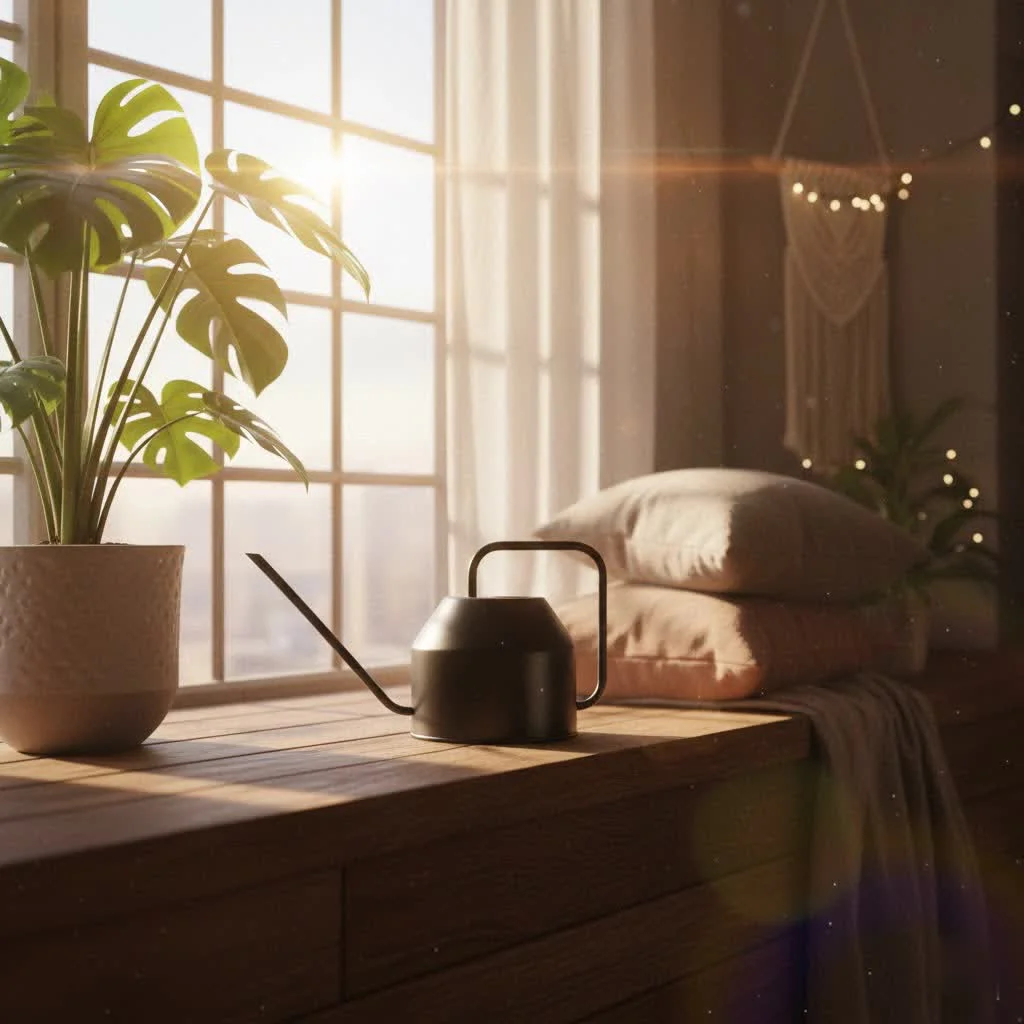
Indoor AccentsBring the garden indoors by incorporating a vintage metal watering can into your home decor. A small, delicate copper or brass can with a long spout looks elegant on a windowsill, bookshelf, or side table, especially when paired with houseplants. It can also serve as a unique vase for a single bloom or a small bouquet, adding an unexpected element of garden-inspired beauty to your living spaces. The subtle gleam of metal or the gentle patina of age provides a sophisticated contrast to contemporary interiors.
Outdoor VignettesIn outdoor settings, vintage metal watering cans truly shine. They are perfect for creating charming garden vignettes that tell a story. Group several cans of varying sizes and materials—galvanized, copper, or painted—together near a rustic potting bench, beside a weathered wooden crate, or nestled among terracotta pots. Fill them with dried hydrangeas, lavender, or even a handful of garden tools to enhance the scene. Their presence evokes a sense of timeless gardening, making your outdoor areas feel inviting and lived-in.
Creative Uses (Vases, Planters)The versatility of vintage metal watering cans extends to creative repurposing.
- Vases: Their natural shape makes them ideal for holding fresh cut flowers, artificial arrangements, or dried botanicals. A galvanized can bursting with sunflowers or a brass pitcher filled with eucalyptus branches instantly creates a striking focal point.
- Planters: For cans that may be too leaky for watering, they can be transformed into delightful planters. Ensure adequate drainage by drilling small holes in the bottom if none exist. They are particularly charming for planting herbs, succulents, or small annuals, adding a whimsical touch to garden beds or patio displays. The rustic look of an old can paired with vibrant greenery creates a captivating contrast.
Top 5 Vintage Metal Watering Can Styles for Every Gardener
While true antiques are often sought by collectors, many modern manufacturers produce high-quality vintage-style metal watering cans that capture the classic aesthetic with improved durability for everyday use. Here are some of the most popular and revered styles you’ll encounter.
1. The Classic Galvanized Steel CanThis is arguably the most recognizable vintage style, often featuring a simple, robust design with a large body, sturdy handle, and a long spout. Many are reproductions designed to capture the look of early 20th-century farm and garden tools. Brands like Draper offer quality galvanized steel options today, known for their traditional design and zinc coating that provides rust protection. These are workhorses, ideal for general garden watering, and develop a lovely weathered patina over time.
2. The Elegant Copper Watering CanCopper cans are coveted for their stunning appearance and natural ability to develop a beautiful verdigris patina. They often feature hammered finishes and long, graceful spouts, making them perfect for both practical use and decorative display. Many vintage French-style cans are made of copper, adding a touch of European elegance. These are particularly favored for watering delicate indoor plants or as exquisite outdoor accents.
3. The Iconic Haws Watering Can (English Style)Patented in 1886, the Haws watering can is an enduring classic. Its distinctive design includes two handles (one for carrying, one for pouring), a long spout, and a finely crafted brass rose. Haws cans were engineered for reach and gentle watering, perfect for nurseries and conservatories. Modern Haws cans continue this legacy, offering superior balance and function. While a true antique Haws can be a collector’s item, contemporary versions uphold the timeless English design.
4. The Practical American-Style Metal CanEarly American watering cans often featured a more substantial, somewhat bulky shape, built for practicality and longevity in larger gardens. These often come with generous spouts and screw-on roses. Vintage galvanized steel cans from brands like “Cream City” (a historical Milwaukee manufacturer) embody this sturdy, no-nonsense American design, ideal for gardeners prioritizing function and resilience.
5. The Decorative Brass Indoor CanSmaller brass watering cans, often with long, slender spouts, are popular for indoor plant care. Their polished or patinated brass finish adds a touch of sophistication to any interior. These are generally designed for ease of handling delicate houseplants, offering precise water delivery without splashes. While some are genuine antiques, many modern reproductions meticulously recreate this elegant vintage aesthetic.
Conclusion
A vintage metal watering can is far more than a simple gardening tool; it’s a piece of enduring craftsmanship, a touchstone to gardening heritage, and a beautiful addition to any home or garden. From the robust utility of galvanized steel to the refined elegance of copper and brass, each can tells a story through its unique design and aged character. By understanding the different types, appreciating their distinct features, and committing to proper care, you can ensure your vintage metal watering can remains a functional and cherished companion for generations. So, whether you’re seeking a steadfast tool for your daily watering rituals or a charming accent to improve your decor, embracing the timeless appeal of a vintage metal watering can is a choice you won’t regret. What story will your vintage watering can tell in your garden?
Frequently Asked Questions
Caring for Your Vintage Metal Watering Can
Proper care and maintenance are essential to preserve the beauty and functionality of your cherished vintage metal watering can, ensuring it remains a faithful gardening companion for years to come.
After each use, especially if you've used fertilizers, rinse your watering can thoroughly with clean water to prevent residue buildup. Dry the can completely, inside and out, before storing it to prevent rust and degradation of the metal. For enamel-coated cans, store them indoors and dry meticulously.
Avoid leaving water in your metal watering can for extended periods, particularly over winter. Store painted or enamel-coated cans in a sheltered area away from direct sunlight and rain. For small leaks, apply a marine-grade silicone sealant generously to the inside and outside of the leak, allowing it to cure completely.
Before winter, ensure your watering can is completely empty and dry to prevent water from freezing and damaging the seams. Store it upside down to allow any remaining moisture to drain. Ideally, keep metal watering cans in a dry, frost-free location like a shed or garage to protect them from extreme temperature fluctuations.
For light rust, gently scrub with a wire brush or steel wool; for heavier rust, sand with progressively finer grits. Apply a rust-stopping primer for protection. For leaks, ensure the can is dry and clean, then apply a thick bead of marine-grade silicone sealant to the inside and outside of the leak, allowing it to cure for several days.
If restoring for display rather than value, clean the can thoroughly after rust removal and priming. Use outdoor-grade spray paint or brush-on metal paint, applying several light coats. Add stencils or hand-painted designs for a unique touch, or fill with faux flowers for charming vignettes.
Get our weekly buyer guide
Practical specs, not advice. Unsubscribe anytime.

I absolutely love my new galvanized steel watering can! It’s so much sturdier than the plastic ones I used to buy every year. The precise watering spout is fantastic for my delicate seedlings, and it looks so charming sitting on my porch. Definitely worth the investment for something that will last.
I’ve been looking for a good quality copper watering can for ages, and this one is perfect. The craftsmanship is really impressive, and it feels great in hand. My only minor complaint is that the handle could be a little more ergonomic for longer watering sessions, but it’s still a huge upgrade from my old can.
I got one of the brass watering cans, and while it’s beautiful and definitely has that timeless aesthetic, I found it a bit heavier than I expected when full. It’s great for my indoor plants, but I wouldn’t want to carry it around my whole garden. Still, it’s a nice piece.
This vintage metal watering can is exactly what my garden needed. I appreciate the durability of these older tools; it’s clear they were built to last, unlike so many modern items. It really does enhance the look of my garden space, and the functionality for plant care is excellent.