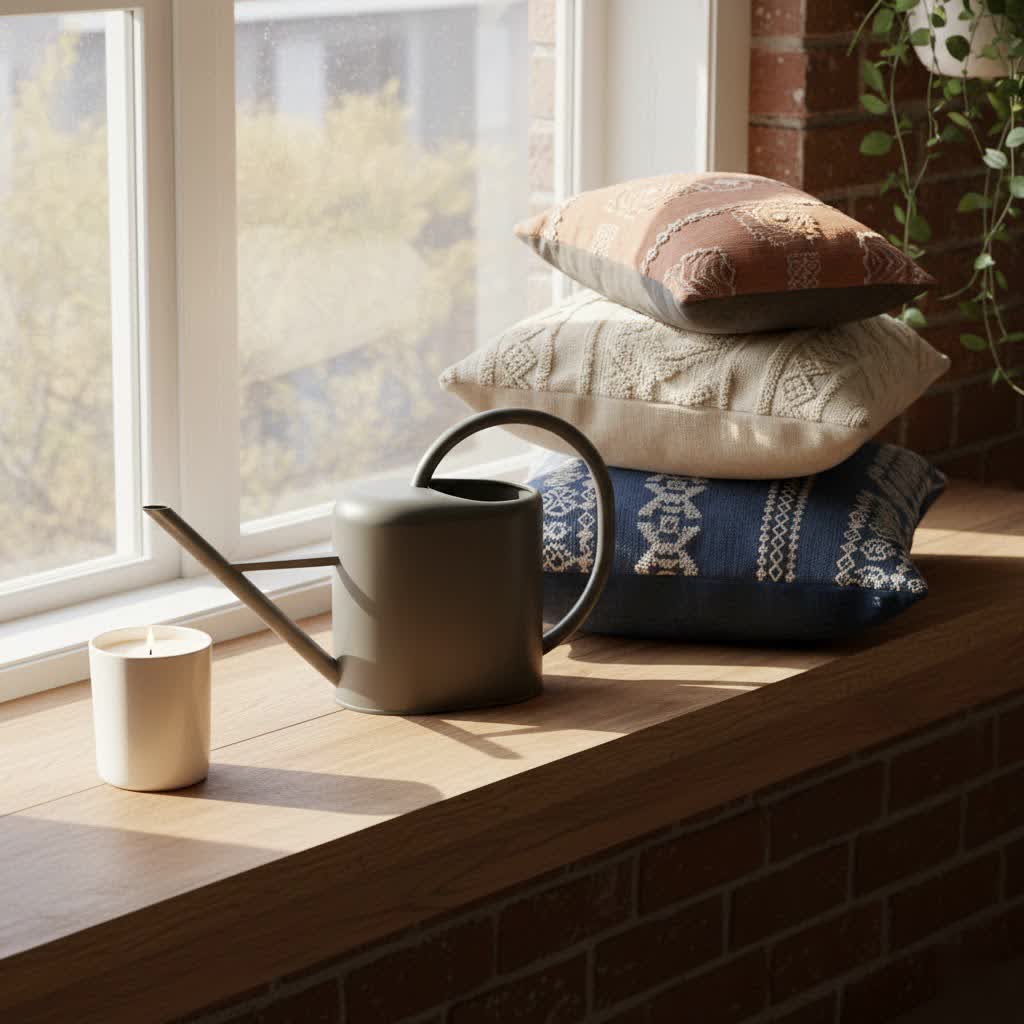
Stepping into a garden, whether it’s a sprawling outdoor oasis or a cozy indoor plant corner, is an experience filled with tranquility and growth. As a seasoned gardener with over a decade of hands-on experience, I understand that the right tools can elevate this joy. Among them, the floral watering can stands out—not just as a practical necessity, but as a charming companion that adds beauty to every task. This guide will help you navigate the myriad choices, ensuring you find a watering can that’s both a joy to use and a delightful addition to your plant care routine.
The Allure of Floral Watering Cans: Blending Beauty with Utility
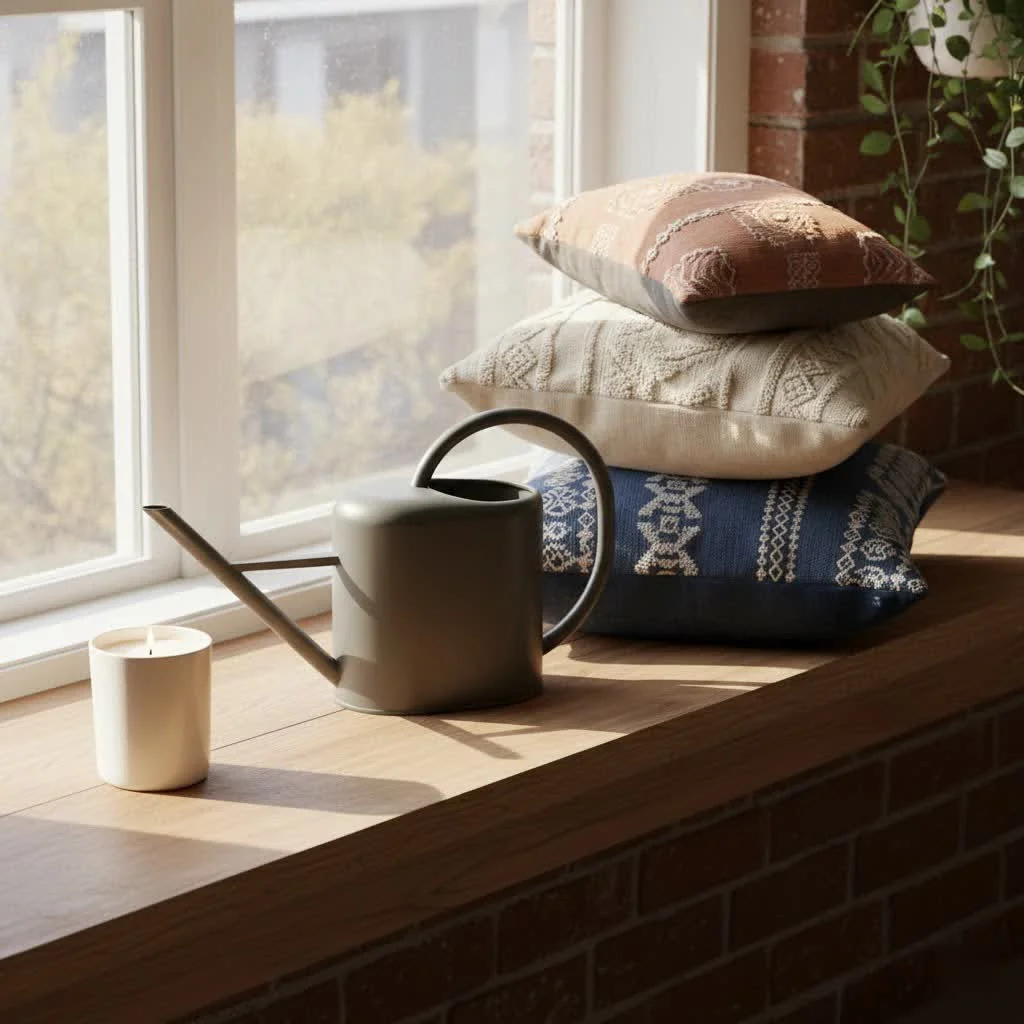
A floral watering can transcends mere utility, transforming a simple chore into an aesthetic pleasure. These beautifully designed cans are crafted to complement your garden’s natural splendor or to brighten your indoor space, making them a visible part of your decor. The intricate patterns, vibrant colors, or subtle embossed designs elevate the watering experience, bringing a touch of artistry to your daily plant care. Crucially, their decorative appeal doesn’t compromise their primary function. Many floral watering cans offer the same precision and gentle watering action as their plainer counterparts, ensuring your delicate blooms receive the hydration they need without disturbance. For more gardening tools guides on this site.
Types of Floral Watering Cans: A Material Guide
The material of your watering can greatly influences its durability, weight, aesthetic, and suitability for different environments. Understanding these differences is key to making an informed choice.
Plastic Floral Watering Cans
Plastic watering cans are a popular choice due to their practicality and versatility.
- Advantages: They are typically lightweight and affordable, making them easy to handle, especially when full. Plastic allows for a vast array of colors and intricate floral designs, often at a lower price point. Many modern plastic cans are made from UV-resistant materials, helping to prevent fading and cracking over time. Some eco-conscious options even utilize recycled plastics.
- Disadvantages: Generally, plastic cans are less durable than metal alternatives and may not withstand heavy-duty use or extreme weather conditions as well. Over prolonged exposure to direct sunlight, even UV-resistant plastics can degrade.
Metal Floral Watering Cans
Metal watering cans offer a classic, enduring appeal, often becoming cherished garden heirlooms.
- Advantages: Known for their exceptional durability and sturdy construction, metal cans, such as those made from galvanized steel, stainless steel, or copper, promise longevity. They often feature elegant finishes that develop a beautiful patina over time, adding to their vintage charm. Metal cans are a stylish choice that can withstand outdoor elements.
- Disadvantages: They are generally heavier than plastic cans, especially when filled to capacity, which can be a consideration for those who water many plants. Some metals, like galvanized steel, can rust if their protective coating is compromised, though stainless steel is highly rust-resistant. Copper cans are often a premium investment.
Ceramic & Glass Floral Watering Cans
|
Our Picks for the Best Watering Can in 2026
As an Amazon Associate I earn from qualifying purchases.
|
||
| Num | Product | Action |
|---|---|---|
| 1 | 350ml Small Watering Can for Indoor Plants, 12oz Mini Plant Watering Pot with Long Spout and Handle, Black Tiny Stainless Steel Watering-Can for Outdoor Indoor Plants Flower Garden |

|
| 2 | Plant Watering Can,35oz Metal Watering Can,Stainless Steel Indoor Plants with Long Curved Spout,Small Bonsai Outdoor Garden Modern Decorative(Black) |
|
| 3 | 2 Gallon Watering Can, Outdoor Watering Can for Plants, Garden Water Can with Removable Long Spout and Stainless Steel Sprinkler Head, Large Water Can for Greenhouse (Dark Blue, 2 Gallon) |
|
| 4 | 2 Gallon Watering Can, Garden Watering Can Outdoor, Plant Water Can with Removable Long Spout and Stainless Steel Sprinkler Head, Large Plastic Outdoor Watering Cans for Gardening Flower Plants |
|
| 5 | Watering Can for Indoor Plants, 35 oz/1000 ml Metal Stainless Steel Pot with Long Spout for House Plants Bonsai Outdoor Garden Flower Decorative (Black) |
|
| 6 | Small Watering Can for Indoor Plants, Mini Indoor Watering Can with Long Spout and Handle 12 Oz / 350 ml Rust-Proof 304 Stainless Steel Material |
|
| 7 | Watering Can for Indoor and Outdoor Plants - Long Spout Water Can for Garden, Flower, House Plants - 1.8L/1/2 Gallon (Green) |
|
| 8 | Watering Can for Indoor Outdoor Plants, Modern Small Watering Cans with Removable Nozzle, Long Spout Watering Can for Indoor Bonsai Plants Garden Flowers 1/2 Gallon 1.8L 60OZ (Dark Green) |
|
| 9 | Indoor Plants Watering Can for Indoor Plants Long Probe Soil Moisture Meter Long Spout 47 oz Watering Cans Water Monitor Indicator for Pot Flower House Gardening Farming |
|
| 10 | Long Spout Watering Can Indoor, Small Watering Cans for House Plants, Flowers, Succulents 33.8oz(Green) |
|
For those prioritizing aesthetics and indoor display, ceramic and glass floral watering cans are unparalleled.
- Advantages: These materials offer exquisite beauty and sophisticated designs, making them perfect decorative pieces for indoor plant collections. They come in unique shapes and artistic finishes that can elevate any room’s decor, blurring the line between tool and art.
- Disadvantages: The primary drawback is their fragility. Ceramic and glass cans are prone to breaking if dropped, making them unsuitable for vigorous outdoor use. Their higher price point also reflects their artisanal quality and delicate nature. They are best reserved for careful indoor watering.
Choosing the Right Capacity for Your Floral Watering Can
Selecting the appropriate capacity ensures comfortable handling and efficient watering, tailored to the size of your plant collection.
- Small (Under 1 Liter/0.25 Gallons): These petite cans are ideal for indoor plants, delicate succulents, herbs, or small floral arrangements. Their compact size allows for precise watering without over-saturating sensitive roots and makes them easy to store or display on a shelf.
- Medium (1-3 Liters/0.25-0.75 Gallons): A versatile choice, medium-sized cans are perfect for balcony gardens, small patios, or a moderate collection of indoor plants. They offer a good balance between weight and capacity, reducing the need for constant refills without becoming too heavy to manage.
- Large (Over 3 Liters/0.75 Gallons): Designed for more extensive gardening tasks, these cans are best suited for larger outdoor flower beds, numerous potted plants, or small vegetable patches. While they reduce refilling frequency, be mindful of their weight when full, as a gallon of water weighs approximately 8 pounds.
Essential Features for a Quality Floral Watering Can
Beyond aesthetics and material, several functional features distinguish a truly great floral watering can.
Spout Design: Precision Meets Gentleness
The spout is critical for effective watering, especially for delicate flowers.
- A long, narrow spout provides pinpoint accuracy, ideal for reaching individual plant bases without disturbing foliage or spilling water on surrounding surfaces. This is perfect for houseplants and those challenging hanging baskets.
- A “rose” or sprinkler head attachment delivers a gentle, rain-like shower, protecting tender seedlings and delicate blooms from the force of a direct stream. Many quality cans offer removable or adjustable spouts, allowing you to switch between a focused stream and a soft shower.
Handle Comfort & Balance
Ergonomics are crucial for comfortable use, preventing strain during watering sessions.
- Look for a handle that feels comfortable and secure in your grip, even when the can is full.
- Some designs feature dual handles—one for carrying and another for pouring—which greatly improves balance and control, especially with larger capacities. The overall balance of the can is equally important, ensuring easy tilting and controlled pouring without awkward movements.
Durability & Finish
A well-made floral watering can should withstand regular use and retain its beauty.
- For metal cans, rust-resistant coatings or materials like stainless steel and copper are paramount for longevity.
- Plastic cans benefit from UV-stabilized materials to prevent sun damage and maintain vibrant colors. The finish should be resilient, ensuring the floral design remains vibrant and unblemished over time.
Aesthetic Appeal: The Floral Touch
The “floral” aspect should be integrated thoughtfully, enhancing the can’s overall design.
- Whether it’s a painted design, an embossed pattern, or a specific shape reminiscent of flowers, the aesthetic should resonate with your personal style and complement your garden or home decor. A well-designed floral can effortlessly blends functionality with decorative charm.
Caring for Your Floral Watering Can
Proper care will extend the life and beauty of your floral watering can.
- Clean Regularly: After each use, rinse your watering can to prevent mineral buildup and algae growth, especially in the spout. For more stubborn deposits, use a mild soap and warm water.
- Store Properly: Store your can in a dry, shaded area. This is particularly important for plastic cans to prevent UV degradation and color fading. Metal cans, even rust-resistant ones, benefit from dry storage to maintain their finish. Fragile ceramic and glass cans should be kept indoors in a safe spot to avoid accidental breakage.
- Empty After Use: Avoid leaving water in the can for extended periods, as stagnant water can become a breeding ground for bacteria or cause mineral deposits.
“A well-chosen watering can is more than just a tool; it’s an extension of your passion, bringing both efficiency and beauty to the nurturing of your green companions.”
Top 5 Picks for Floral Watering Cans
Here are some examples of popular styles and features you might find when searching for the ideal floral watering can:
- The Elegant Copper Spout: A small, polished copper can featuring a delicate, long-reach spout, perfect for indoor orchids and succulents. Its natural copper finish gains character over time.
- The Vintage Galvanized Charm: A medium-capacity galvanized steel can with a hand-painted wildflower motif, boasting a classic “rose” sprinkler head for gentle outdoor watering of annuals and perennials.
- The Modern Ceramic Bloom: A beautifully crafted ceramic can with an ergonomic handle and a subtle embossed floral pattern, ideal for displaying proudly next to your indoor plant collection. Its precise pouring spout suits smaller pots.
- The Lightweight Floral Plastic: A vibrant, UV-stabilized plastic can adorned with a cheerful daisy design, offering a versatile adjustable spout for both focused streams and soft showers. It’s a great all-rounder for balconies.
- The Precision Indoor Beauty: A sleek stainless steel can with a slender, extra-long spout, designed for ultimate control when watering delicate indoor foliage. Its minimalist aesthetic often includes subtle floral etching.
Comparison Table for Popular Floral Watering Cans
| Product | Capacity | Material | Price Range | Advantages | Disadvantages |
|---|---|---|---|---|---|
| Elegant Copper Spout | 1 Liter | Copper | High | Exquisite, precise pour, develops patina | Expensive, heavier, indoor focused |
| Vintage Galvanized Charm | 3 Liters | Galvanized Steel | Medium | Durable, classic look, gentle shower | Can be heavy when full |
| Modern Ceramic Bloom | 0.8 Liter | Ceramic | High | Artistic, decorative, smooth pour | Fragile, only for indoor use |
| Lightweight Floral Plastic | 2 Liters | Recycled Plastic | Low | Lightweight, vibrant designs, versatile | Less durable than metal |
| Precision Indoor Beauty | 1.2 Liters | Stainless Steel | Medium | High precision, rust-resistant, sleek | May lack larger capacity |
Buying Your Perfect Floral Watering Can
Choosing the perfect floral watering can is a personal journey. Start by considering your primary needs: Are you watering delicate indoor flowers or a robust outdoor garden? Next, explore the materials that align with your desired aesthetic and durability requirements. Pay close attention to spout design, handle comfort, and the overall balance of the can. Reading reviews from other gardeners can offer valuable insights. Finally, invest in a reputable brand from trusted retailers to ensure quality and longevity. Your ideal floral watering can should feel like a natural extension of your gardening passion—a tool that brings both functionality and beauty to your green sanctuary.
Frequently Asked Questions
Which material is best for a floral watering can?
The “best” material depends on your specific needs. Plastic is lightweight and affordable, offering numerous design options, but is less durable. Metal (like galvanized steel or copper) provides superior durability and a classic aesthetic but is heavier. Ceramic and glass offer high decorative value for indoor use but are fragile. Consider where you’ll use it and how often to pick the right material.
How important is spout design for watering flowers?
Spout design is critically important for watering flowers. A long, narrow spout allows for precise watering at the base of plants, avoiding delicate leaves and preventing soil disturbance. A “rose” (sprinkler head) attachment is essential for seedlings and tender blooms, as it disperses water gently like rain, protecting them from damage. Many cans offer interchangeable or adjustable spouts for versatility.
Can floral watering cans be used for outdoor gardens?
Yes, many floral watering cans are suitable for outdoor gardens, especially those made from durable materials like galvanized steel or treated plastic. However, consider the capacity and weight for larger outdoor spaces. While their decorative nature makes them a beautiful addition, ensure the can’s functional features, such as a sturdy handle and appropriate spout, meet the demands of outdoor watering.
Get our weekly buyer guide
Practical specs, not advice. Unsubscribe anytime.
