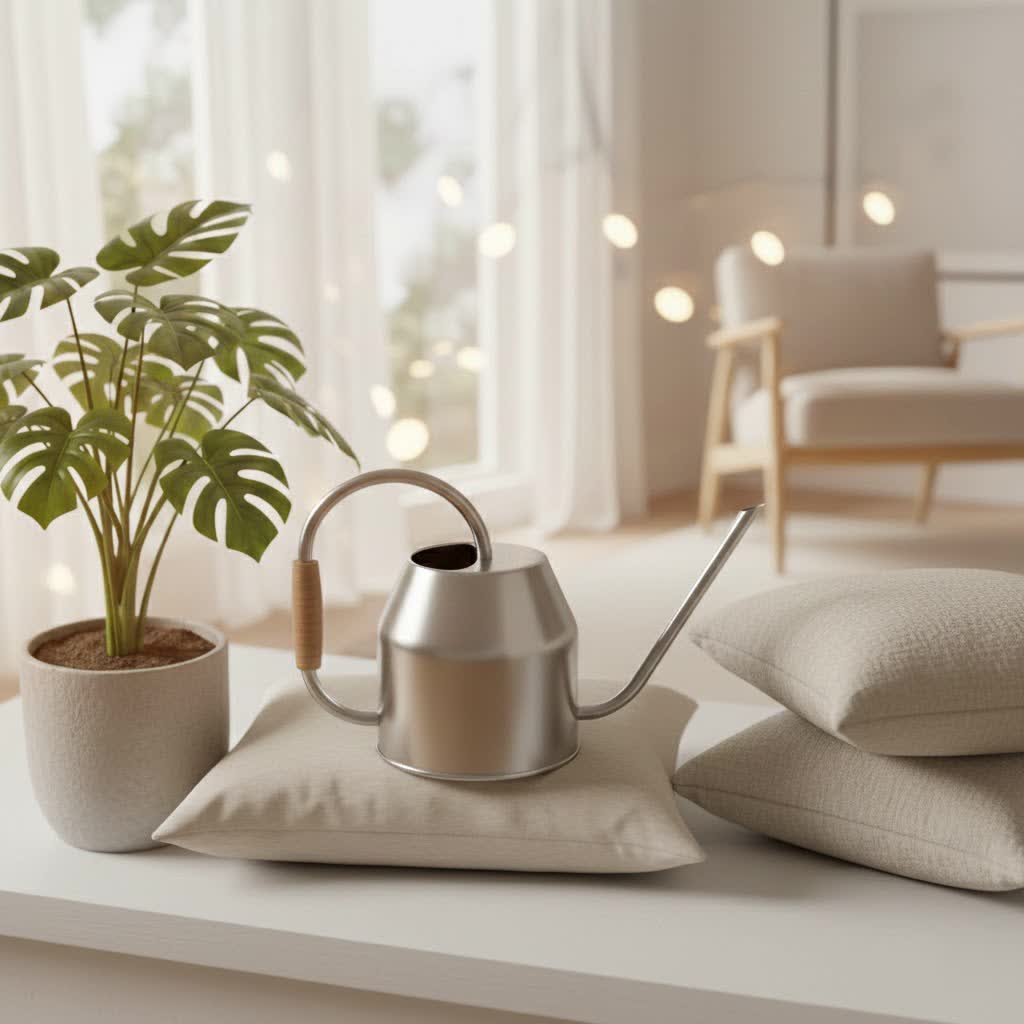
As an experienced gardener with over a decade of navigating the world of watering tools, I understand the subtle yet significant impact a good plant watering can has on your gardening journey. Far from being a mere vessel for water, the right watering can becomes an extension of your care, making the essential task of hydration a joy rather than a chore. This comprehensive guide will share insights gleaned from countless hours in the garden, helping you select a watering can that truly complements your needs and becomes a trusted companion for your leafy friends.
Types of Plant Watering Cans
The market offers a diverse array of plant watering cans, each crafted from different materials designed to suit varying needs and aesthetic preferences. Understanding these types is the first step toward finding your ideal gardening tool.
Plastic Watering Cans
Plastic watering cans are a staple for many gardeners due to their practical advantages. They are typically lightweight and affordable, making them easy to handle and an economical choice for both beginners and seasoned enthusiasts. You’ll find them in a vibrant spectrum of colors and designs, offering a fun way to add personality to your gardening kit. However, plastic cans can be less durable than their metal counterparts, sometimes prone to fading or cracking when exposed to harsh UV rays or extreme weather conditions over time. High-quality plastic, often UV-resistant, can significantly improve their longevity.
Metal Watering Cans
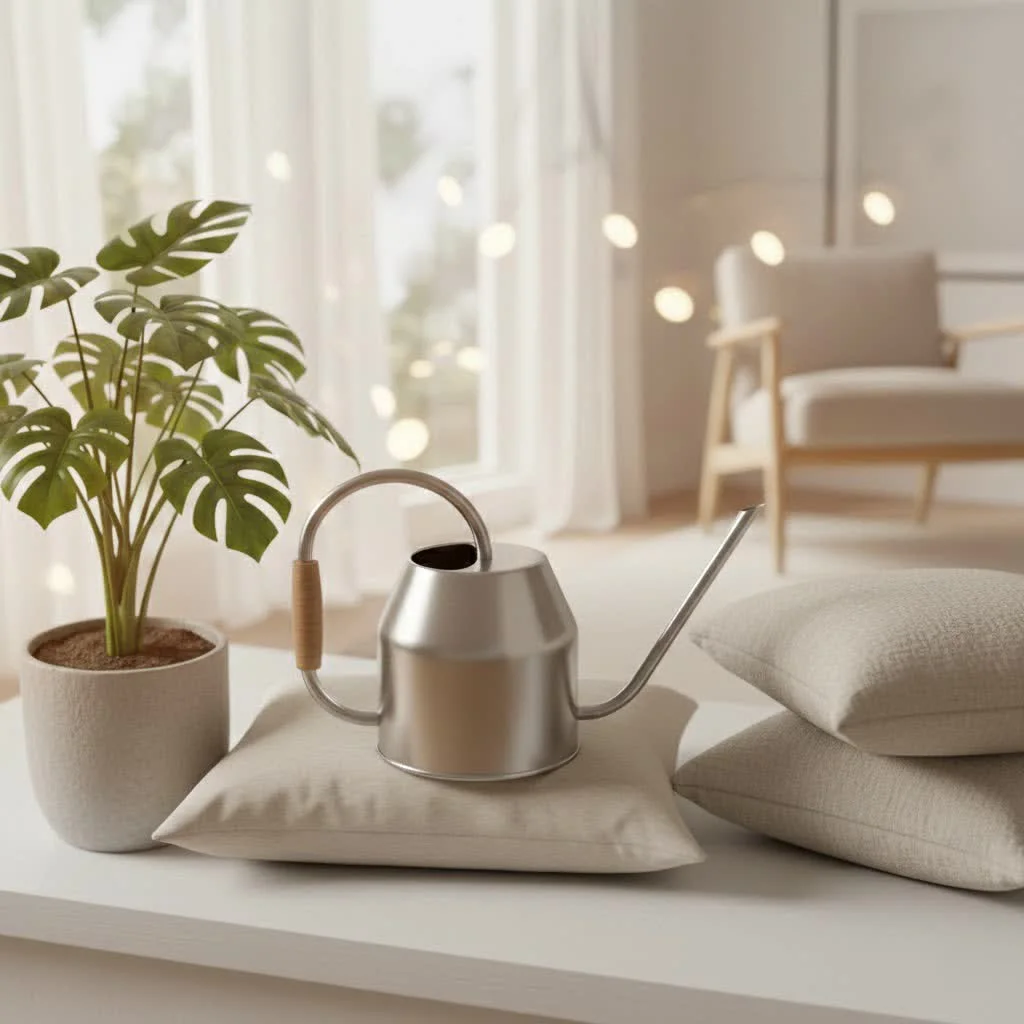
For those seeking durability and a classic aesthetic, metal watering cans are an excellent option. Commonly made from galvanized steel, stainless steel, or copper, these cans are known for their robustness and ability to withstand bumps and scrapes. They offer a timeless look that can enhance the visual appeal of any garden space. While generally heavier than plastic cans, especially when full, metal options like stainless steel are inherently rust-resistant, and galvanized or copper varieties can last for decades with proper care. Without a protective coating, some metals might be susceptible to rust.
Ceramic, Terracotta, and Glass Watering Cans
Primarily chosen for their high aesthetic value, ceramic, terracotta, and glass watering cans are often decorative pieces as much as functional tools. They bring an element of elegance and artistry, making them perfect for displaying indoors alongside your houseplants. These materials, however, are considerably more fragile and prone to breaking if dropped, making them less suitable for rigorous outdoor use. Their unique beauty often comes with a higher price tag compared to plastic or even some metal options.
Comparing Different Watering Can Materials
To help you decide, here’s a quick comparison of the most common watering can materials:
| Feature | Plastic | Metal (Steel/Copper) | Ceramic/Terracotta/Glass |
|---|---|---|---|
| Durability | Low – Medium | High | Low (Fragile) |
| Cost | Low | Medium – High | High |
| Weight (empty) | Lightweight | Heavy | Medium |
| Aesthetics | Medium | Medium – High | High |
| Recyclability | Yes (if marked) | Yes | No |
Choosing the Right Watering Can Capacity
The ideal capacity of your watering can largely depends on the scale of your plant collection and gardening space. Matching the size to your needs ensures efficient watering without constant refills or unnecessary heavy lifting.
- Small Watering Cans (Under 1 Liter): These petite cans are perfect for indoor plants, delicate seedlings, or small collections of potted herbs. Their compact size allows for precise watering and easy storage without taking up much space.
- Medium Watering Cans (1-3 Liters): Ideal for balcony gardens, small patio setups, or a modest array of indoor and outdoor containers. This size strikes a balance, offering enough water for several plants without becoming excessively heavy to carry around.
- Large Watering Cans (Over 3 Liters): Designed for extensive outdoor gardens, large flower beds, or numerous substantial plants. A larger capacity reduces the frequency of trips to the tap, making it more efficient for bigger gardening tasks, though they can be heavy when full.
Key Tips for Selecting a Quality Watering Can
Beyond material and capacity, several design elements contribute to a watering can’s overall functionality and user experience. Paying attention to these details can significantly impact your gardening comfort and success.
- Material Quality: Regardless of the type, always prioritize quality. For plastic, look for sturdy, UV-resistant options with minimal seams to prevent leaks. For metal, ensure it’s properly coated or inherently rust-resistant like stainless steel or copper. The goal is a durable, non-toxic material that won’t leach harmful substances into your plants’ water.
- Spout Type: The spout dictates the water flow. A long, narrow spout is excellent for precision watering, directing water exactly to the base of plants without wetting foliage or spilling. This is particularly beneficial for indoor plants or specific outdoor spots. For seedlings, delicate plants, or broad garden beds, a rose (sprinkler) attachment is best, delivering a gentle, rain-like shower that prevents soil erosion and plant damage. Some cans offer interchangeable spouts for versatility.
- Handle Comfort: An ergonomic and comfortable handle is crucial, especially for larger cans. Some designs feature dual handles—one for carrying and another for pouring—which can significantly reduce wrist fatigue and provide better balance when the can is full. Test the grip and balance to ensure it feels natural in your hand.
- Design and Aesthetics: While not purely functional, the design can be a significant factor. For indoor use, a visually appealing watering can might be left out as part of your decor. For outdoor use, consider a design that you enjoy looking at and that complements your garden’s style.
- Brand Reputation: Investing in products from reputable brands often guarantees better quality, durability, and customer support. Researching trusted names in gardening tools can lead to a more satisfactory purchase.
How to Use and Maintain Your Watering Can
Proper use and consistent maintenance will extend the life of your watering can and ensure your plants receive the best care.
- Use Correctly: Always match the watering can to the task. Use a gentle rose attachment for young seedlings to prevent washing them out, and a direct stream for established plants that need water directed to their roots.
- Clean Regularly: Residue from fertilizers or algae can build up inside, potentially clogging spouts or harboring unwanted organisms. Rinse your watering can thoroughly after each use, especially if you’ve added nutrients to the water. A periodic deep clean with mild soap and water is also beneficial.
- Store Properly: Avoid leaving plastic watering cans in direct, prolonged sunlight, as UV rays can degrade the plastic over time. Store all watering cans in a dry, cool, and shaded area to prevent material degradation and potential rust on metal components.
Top 5 Popular Plant Watering Cans Today
Here are some highly-regarded plant watering cans known for their performance and features:
- Bloem Easy Pour Watering Can: Praised for its innovative dual-handle design that offers superior balance and comfort, even when full. It often features an adjustable spout for both gentle showers and steady streams, making it versatile for various plant types. Users appreciate its large capacity and UV-resistant plastic construction.
- XXXFlower Watering Can: A popular choice for larger gardens, this can is noted for its durability (often made from thickened PP resin) and stability. Many models come with a dual-handle design and an adjustable nozzle, providing both a soft sprinkle and a stronger stream.
- Haws Traditional Watering Can: Often considered a premium or “splurge” option, Haws cans are renowned for their classic, elegant design, typically crafted from high-quality galvanized steel or copper. They offer exceptional balance and a very fine rose for delicate watering, making them a favorite among discerning gardeners.
- WhaleLife 2-Liter Indoor Watering Can: This can stands out for its aesthetic design and practical features for indoor use. It usually offers a comfortable, unique handle and a versatile spout that works well for various indoor plant sizes, often with a detachable rose for flexibility.
- E.Palace Stainless Steel Watering Can: An excellent choice for indoor plants and decorative appeal, this can is made from durable stainless steel, ensuring longevity and a sleek, modern look. Its long, slender spout provides precise watering for potted plants.
Comparative Table of Watering Can Products
| Product | Capacity | Material | Price Range | Key Advantages | Potential Drawbacks |
|---|---|---|---|---|---|
| Bloem Easy Pour Watering Can | ~2.6 Gallons | UV-Resistant Plastic | Medium | Dual handles for balance, adjustable spout, durable. | Can be bulky for very small spaces. |
| XXXFlower Watering Can | ~1.5 – 2 Gallons | Thickened PP Resin | Low – Medium | Durable, ergonomic dual-handle, adjustable nozzle. | Filling opening can be small on some models. |
| Haws Traditional Watering Can | ~1 – 2 Gallons | Galvanized Steel/Copper | High | Classic design, exceptional balance, fine rose. | Expensive, heavier, requires care to prevent rust. |
| WhaleLife 2-Liter Indoor Can | ~0.5 Gallons | Plastic | Low | Aesthetic, comfortable handle, versatile indoor use. | Smaller capacity, less suited for outdoors. |
| E.Palace Stainless Steel Can | ~0.25 – 1 Gallon | Stainless Steel | Medium | Sleek design, rust-resistant, precise long spout. | Heavier than plastic, smaller capacity. |
A Comprehensive Guide to Buying Your Watering Can
Choosing the perfect watering can is a personal journey, but following a structured approach can simplify the process.
- Assess Your Needs: Before you shop, consider your gardening habits. How many plants do you have? Are they mostly indoors or outdoors? What size are they? Your answers will guide your choices on capacity and spout type.
- Research Products: Look into various models and brands. Read product descriptions carefully to understand materials, features, and specifications.
- Compare Prices and Quality: Don’t just pick the cheapest option. Balance cost with durability and features. A slightly more expensive, high-quality can often proves to be a better long-term investment.
- Read User Reviews: Real-world feedback from other gardeners can offer invaluable insights into a product’s performance, durability, and any potential quirks. Pay attention to comments on handle comfort, spout effectiveness, and ease of filling.
- Purchase from Reputable Stores: Buy from trusted retailers, whether online or in person. This ensures you’re getting an authentic product and have recourse if any issues arise.
Conclusion
Selecting the right plant watering can is more than just a purchase; it’s an investment in your gardening pleasure and the health of your plants. From lightweight plastic options for delicate indoor greenery to robust metal cans for expansive outdoor landscapes, each type offers unique advantages. By considering material, capacity, spout design, and ergonomic features, you can find a watering can that not only performs beautifully but also brings a touch of joy to your daily routine. So, take the time to choose wisely – your plants (and your wrists!) will thank you. What kind of watering can will become your garden’s next cherished companion?
Frequently Asked Questions
Should I choose a plastic or metal watering can?
|
Our Picks for the Best Watering Can in 2026
As an Amazon Associate I earn from qualifying purchases.
|
||
| Num | Product | Action |
|---|---|---|
| 1 | 350ml Small Watering Can for Indoor Plants, 12oz Mini Plant Watering Pot with Long Spout and Handle, Black Tiny Stainless Steel Watering-Can for Outdoor Indoor Plants Flower Garden |

|
| 2 | 2 Gallon Watering Can, Garden Watering Can Outdoor, Plant Water Can with Removable Long Spout and Stainless Steel Sprinkler Head, Large Plastic Outdoor Watering Cans for Gardening Flower Plants |
|
| 3 | Plant Watering Can,35oz Metal Watering Can,Stainless Steel Indoor Plants with Long Curved Spout,Small Bonsai Outdoor Garden Modern Decorative(Black) |
|
| 4 | Watering Can for Indoor Plants, 35 oz/1000 ml Metal Stainless Steel Pot with Long Spout for House Plants Bonsai Outdoor Garden Flower Decorative (Black) |
|
| 5 | Small Watering Can for Indoor Plants, Mini Indoor Watering Can with Long Spout and Handle 12 Oz / 350 ml Rust-Proof 304 Stainless Steel Material |
|
| 6 | Indoor Plants Watering Can for Indoor Plants Long Probe Soil Moisture Meter Long Spout 47 oz Watering Cans Water Monitor Indicator for Pot Flower House Gardening Farming |
|
| 7 | 2 Gallon Watering Can, Outdoor Watering Can for Plants, Garden Water Can with Removable Long Spout and Stainless Steel Sprinkler Head, Large Water Can for Greenhouse (Dark Blue, 2 Gallon) |
|
| 8 | Watering Can for Indoor Outdoor Plants, Modern Small Watering Cans with Removable Nozzle, Long Spout Watering Can for Indoor Bonsai Plants Garden Flowers 1/2 Gallon 1.8L 60OZ (Dark Green) |
|
| 9 | Long Spout Watering Can Indoor, Small Watering Cans for House Plants, Flowers, Succulents 33.8oz(Green) |
|
| 10 | Watering Can for Indoor and Outdoor Plants - Long Spout Water Can for Garden, Flower, House Plants - 1.8L/1/2 Gallon (Green) |
|
The choice between plastic and metal depends on your priorities. Plastic cans are generally lighter and more affordable, making them great for ease of use and budget. Metal cans, especially stainless steel, offer superior durability and a classic aesthetic, though they are heavier and can be pricier. Consider your strength, budget, and desired lifespan for the watering can when making your decision.
Get our weekly buyer guide
Practical specs, not advice. Unsubscribe anytime.

I’ve always just grabbed whatever watering can was cheapest, but after reading about the different materials, I decided to invest in a good metal one. The post really highlighted how much better they hold up, and it’s true! My new galvanized steel can feels so much sturdier and looks great on my patio. Definitely a worthwhile upgrade for my outdoor plants.
I appreciate the breakdown of plastic watering cans, especially the part about them being lightweight. I bought a large plastic one recently for my bigger indoor plants, and while it’s easy to carry, the handle feels a bit flimsy when it’s full. It does the job, but I wish it felt a little more robust. Maybe I just picked the wrong brand.
I’m so glad I read this before buying another watering can! I was about to get a small decorative one, but the guide made me realize I needed something with a larger capacity for my growing collection of houseplants. The advice on matching the can to your specific needs was spot on. My new 2-gallon can is perfect and saves me so many trips to the sink.
This guide was super helpful! I never really thought about the spout design before, but the mention of a long, narrow spout for delicate seedlings made a lot of sense. I’ve been struggling with overwatering my tiny herb starts, and a more precise flow would definitely help. Going to look for one with that feature next.