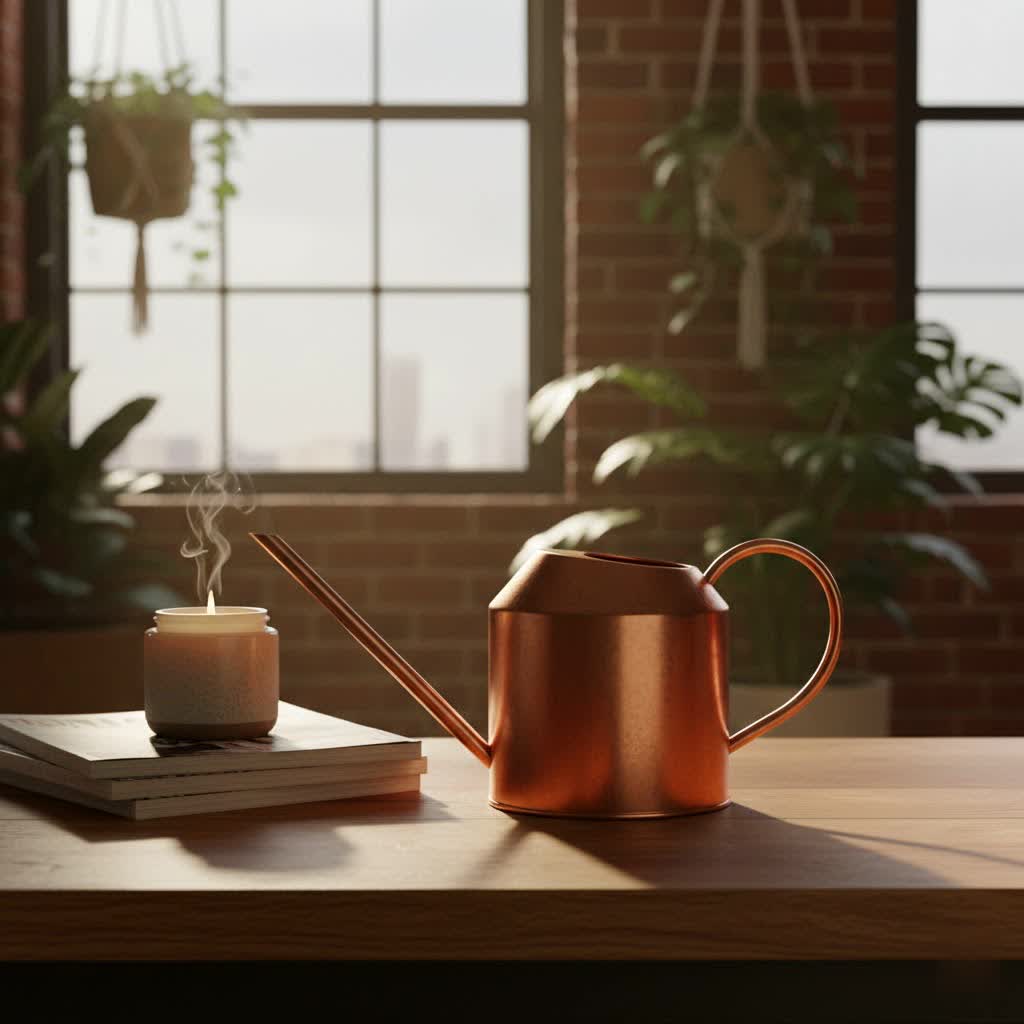
Hanging baskets transform our spaces with cascading blooms and vibrant foliage, adding a touch of natural elegance. Yet, the joy of these elevated gardens often comes with a persistent challenge: effective watering. Reaching high baskets, ensuring proper hydration without spillage, and maintaining plant health can feel like a constant battle. This guide, drawing on years of gardening experience, will equip you with the knowledge to select the ideal watering can for your hanging baskets, turning a chore into a seamless part of your plant care routine.
Why a Specialized Watering Can for Hanging Baskets?
Watering hanging baskets is not the same as watering ground-level pots. Their elevated position and often dense foliage create unique obstacles. A conventional watering can might struggle to deliver water precisely, leading to spills, uneven saturation, and wasted effort. The right watering can is designed to overcome these hurdles, making the process efficient and ensuring your plants receive the moisture they need to thrive.
The Challenge of Height and Reach
One of the most obvious difficulties is simply reaching hanging baskets, especially those suspended high. Constantly using a step stool or ladder is inconvenient and can be unsafe. A specialized watering can offers an extended reach, allowing you to water comfortably and safely from the ground. This extended reach minimizes strain and prevents accidental tipping of baskets.
Precision Watering for Plant Health
Hanging baskets, particularly those densely planted, require precise watering. Drenching the foliage from above can promote fungal diseases and often results in water running off the leaves rather than penetrating the soil. A good watering can for hanging baskets delivers water directly to the soil, at the plant’s base, ensuring roots get the hydration they need while keeping leaves dry and healthy.
Key Features to Look For in a Hanging Basket Watering Can
When choosing a watering can for your hanging baskets, several features make a significant difference in ease of use and effectiveness. Prioritizing these elements will help you select a tool that truly becomes a trusted gardening companion.
Long Spout Design
This is arguably the most crucial feature for a hanging basket watering can. A long spout, often slender, allows you to reach up into the basket and direct water precisely to the soil surface. Some designs even feature a positionable or flexible neck, offering unparalleled control and maneuverability. Look for a spout that extends far enough to reach the center of your largest baskets without excessive stretching. Many gardeners find that a “long reach” design is invaluable for watering hanging baskets or deep flower beds, helping to water plants evenly without disturbing them.
Spout Type and Flow Control
|
Our Picks for the Best Watering Can in 2026
As an Amazon Associate I earn from qualifying purchases.
|
||
| Num | Product | Action |
|---|---|---|
| 1 | Long Spout Watering Can Indoor, Small Watering Cans for House Plants, Flowers, Succulents 33.8oz(Green) |

|
| 2 | Watering Can for Indoor Plants, 35 oz/1000 ml Metal Stainless Steel Pot with Long Spout for House Plants Bonsai Outdoor Garden Flower Decorative (Black) |
|
| 3 | Indoor Plants Watering Can for Indoor Plants Long Probe Soil Moisture Meter Long Spout 47 oz Watering Cans Water Monitor Indicator for Pot Flower House Gardening Farming |
|
| 4 | Watering Can for Indoor Outdoor Plants, Modern Small Watering Cans with Removable Nozzle, Long Spout Watering Can for Indoor Bonsai Plants Garden Flowers 1/2 Gallon 1.8L 60OZ (Dark Green) |
|
| 5 | Plant Watering Can,35oz Metal Watering Can,Stainless Steel Indoor Plants with Long Curved Spout,Small Bonsai Outdoor Garden Modern Decorative(Black) |
|
| 6 | 2 Gallon Watering Can, Outdoor Watering Can for Plants, Garden Water Can with Removable Long Spout and Stainless Steel Sprinkler Head, Large Water Can for Greenhouse (Dark Blue, 2 Gallon) |
|
| 7 | Watering Can for Indoor and Outdoor Plants - Long Spout Water Can for Garden, Flower, House Plants - 1.8L/1/2 Gallon (Green) |
|
| 8 | 2 Gallon Watering Can, Garden Watering Can Outdoor, Plant Water Can with Removable Long Spout and Stainless Steel Sprinkler Head, Large Plastic Outdoor Watering Cans for Gardening Flower Plants |
|
| 9 | 350ml Small Watering Can for Indoor Plants, 12oz Mini Plant Watering Pot with Long Spout and Handle, Black Tiny Stainless Steel Watering-Can for Outdoor Indoor Plants Flower Garden |
|
| 10 | Small Watering Can for Indoor Plants, Mini Indoor Watering Can with Long Spout and Handle 12 Oz / 350 ml Rust-Proof 304 Stainless Steel Material |
|
The type of spout dictates how water is delivered.
- Narrow Spouts: These are excellent for precision, ensuring water goes directly to the root zone and minimizes splashing or wetting delicate foliage. Squeeze bottles with long, narrow spouts are a popular choice for this, providing easy flow control.
- “Rose” (Sprinkler Spout): While a rose attachment delivers a gentle, dispersed spray, which is great for seedlings or delicate plants, it’s often less ideal for established hanging baskets where direct root watering is preferred to avoid wetting leaves and conserve water. If a can has a removable rose, you can switch between a gentle spray and a direct stream.
Capacity Considerations
The right capacity depends on the number and size of your hanging baskets.
- Small (under 1 liter / 32 oz): Ideal for a few small indoor hanging plants or providing quick, precise top-ups. Squeeze bottles often fall into this category.
- Medium (1-3 liters): A versatile choice for a few outdoor baskets or a larger collection of indoor plants, offering a balance between weight and fewer refills.
- Large (over 3 liters / 1 gallon): Best for extensive outdoor hanging basket displays, reducing the frequency of trips to the tap. However, remember that a full large can can be heavy to lift and maneuver, especially when reaching high.
Handle Ergonomics
A comfortable and balanced handle is essential, especially when lifting a full can to water elevated baskets. Look for a handle that provides a secure grip, potentially with finger grooves for added comfort. Some watering cans feature dual handles – one on top and one on the side or along the spout – which can improve balance and control when pouring, reducing strain. This dual-handle design can make it easier to maneuver and balance a full can.
Materials: Finding Your Perfect Match
Watering cans come in various materials, each with its own advantages and disadvantages in terms of durability, weight, and aesthetics.
Plastic Watering Cans
- Pros: Plastic cans are typically lightweight, making them easier to carry, particularly when full. They are also generally more affordable, come in a wide array of colors, are easy to clean, and are rust-proof.
- Cons: Over time, prolonged exposure to sunlight and outdoor elements can cause plastic to become brittle, crack, or fade, affecting its longevity and appearance.
Metal Watering Cans (Galvanized Steel, Stainless Steel, Copper)
- Pros: Metal watering cans are known for their durability and classic aesthetic. They can withstand UV rays, temperature changes, and general wear and tear better than plastic, offering a longer lifespan. They are often heavier and more stable, reducing the risk of tipping.
- Cons: They are generally more expensive than plastic options. Galvanized steel can be susceptible to rust if its protective coating is scratched and not dried properly. Stainless steel is rust-resistant and long-lasting but can be heavier. Copper and brass options offer exceptional beauty but come at a higher price point.
Ceramic and Glass Watering Cans
- Pros: These materials are primarily chosen for their decorative appeal, making them excellent choices for indoor plants where the watering can itself contributes to the decor.
- Cons: Ceramic and glass are fragile and prone to breaking if dropped. Their lack of durability makes them less suitable for rigorous outdoor use or for high-reach watering where accidental knocks are more likely.
Advanced Watering Techniques for Thriving Hanging Baskets
Even with the perfect watering can, mastering proper watering techniques is key to keeping your hanging baskets lush and healthy.
The Art of Deep and Slow Watering
Hanging baskets dry out quickly, so shallow watering is often insufficient. Always water slowly and deeply until you see water draining from the bottom of the basket. This ensures that moisture reaches the entire root system, encouraging deeper root growth. Watering slowly allows the soil to absorb the water rather than letting it run off quickly.
Optimal Watering Times and Frequency
- Timing: The best time to water hanging baskets is in the early morning, ideally between 5 AM and 9 AM. This gives your plants ample moisture to hydrate throughout the hottest part of the day and reduces water loss due to evaporation. Watering in the evening is less ideal, as plants dislike going to bed with wet roots, which can encourage fungal growth. On extremely hot days, a second watering in the late afternoon (4-5 PM) might be necessary, but avoid watering any later.
- Frequency: This varies greatly depending on plant type, basket size, and weather conditions. Smaller baskets and those exposed to full sun or wind will dry out faster and may require daily or even twice-daily watering in hot weather. Always check the top inch of soil before watering; only water when it feels dry to the touch.
Preventing Fungal Diseases: Watering the Roots, Not the Leaves
Aim the watering can’s spout directly at the base of the plants, focusing on the soil. Avoiding wetting the foliage and flowers is crucial, as consistently wet leaves can create an environment conducive to fungal diseases. This precision is where a long-spout watering can truly shines.
Reviving Dry Baskets
If you’ve forgotten to water and your hanging basket has become bone dry and wilted, a single watering might not be enough. Peat-based potting mixes can become hydrophobic when completely dry. Water the basket, allow it to sit for a few minutes for the water to absorb, and then water again. You might need to repeat this process a few times until the soil is thoroughly rehydrated.
Exploring Self-Watering Solutions
While not a watering can, self-watering hanging baskets offer an excellent complement or alternative for busy gardeners. These baskets typically feature a reservoir at the bottom, allowing plants to draw water as needed via capillary action. Filling the reservoir directly, rather than watering the compost surface, keeps the water and wicks clean and prevents nutrient leaching. This method helps conserve water by reducing evaporation and ensures plants have a consistent moisture supply.
“A good watering can will help you care for your plants more easily and effectively.”
Top Watering Can Picks for Hanging Baskets
While specific product names can change, certain design types consistently prove effective for hanging baskets:
- The “Long Reach Specialist”: This category includes watering cans specifically designed with an extra-long, often thin, spout that provides maximum reach. They are typically made from lightweight plastic or durable galvanized steel, offering excellent maneuverability for high baskets and precise delivery to the soil.
- The “Precision Squeeze Bottle”: Often a smaller capacity (around 32 oz), these bottles feature a long, flexible, and positionable neck that allows for exceptionally accurate watering. They are perfect for delivering water directly to the root base, maneuvering between dense foliage, and are particularly useful for indoor or delicate hanging plants.
- The “Durable Outdoor Companion”: These are typically larger capacity cans, often made of galvanized steel or robust plastic, featuring a long spout and sturdy handle(s). They are built to withstand outdoor conditions and are ideal for gardeners with many hanging baskets or larger displays that require more water per session.
Conclusion
Choosing the right watering can for your hanging baskets can significantly impact the health of your plants and your enjoyment of gardening. By prioritizing features like a long, precise spout, appropriate capacity, and a comfortable handle, you can transform the often-tricky task of watering into an effortless and efficient process. Whether you opt for a lightweight plastic model, a durable metal can, or a precision squeeze bottle, investing in the right tool ensures your beautiful hanging baskets remain vibrant and thriving throughout the season. What kind of hanging basket marvel will you cultivate next with your perfectly chosen watering can?
Frequently Asked Questions
What capacity watering can is best for hanging baskets?
The best capacity depends on how many hanging baskets you have and their size. For a few small indoor baskets, a 1-2 liter (32-64 oz) can or squeeze bottle is usually sufficient. For multiple outdoor baskets, a larger can of 5-10 liters (1-2.5 gallons) will reduce refill trips, but remember they become heavier when full. Balance ease of carrying with frequency of refills.
Should I water hanging baskets from above or below?
For optimal plant health and to prevent fungal diseases, it’s generally best to water hanging baskets from above, directing the water slowly and precisely to the soil at the base of the plant. Avoid drenching the foliage. Some self-watering baskets allow you to fill a reservoir from below, which is also an excellent method.
How often should I water my hanging baskets?
Watering frequency varies significantly. In cooler weather or for newly planted baskets, every few days might suffice. However, in hot, windy weather, or for large, established plants in full sun, you may need to water daily, sometimes even twice a day. Always check the top inch of soil; if it feels dry, it’s time to water.
Can I use a regular watering can for hanging baskets?
While you can use a regular watering can, it might not be ideal. Most regular cans lack the long, narrow spout needed for precise watering of elevated or densely planted baskets, leading to spills, wet foliage, and uneven soil saturation. A specialized watering can with a long reach will make the task much easier and more effective, ensuring your plants get the water they need directly at the roots.
Get our weekly buyer guide
Practical specs, not advice. Unsubscribe anytime.
