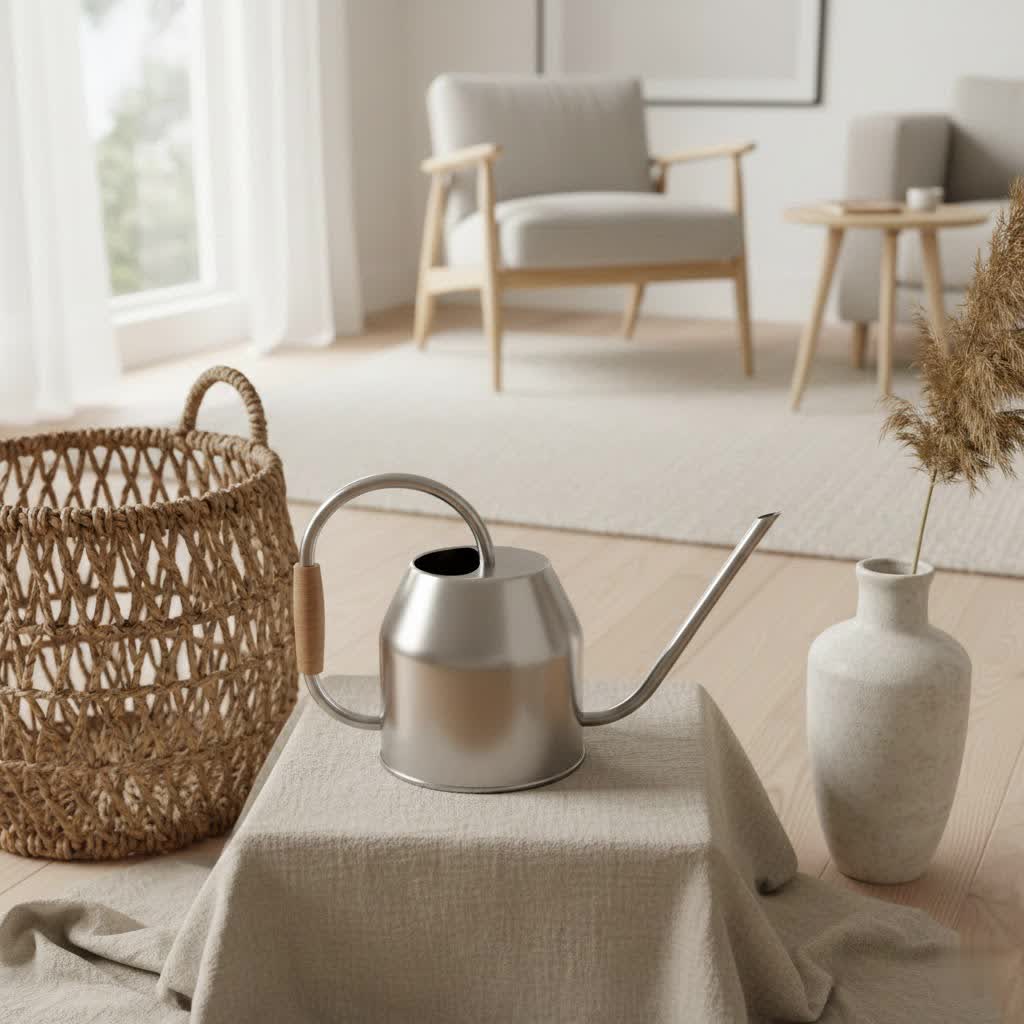
For any devoted houseplant enthusiast, the right indoor watering can is more than just a tool; it’s an indispensable companion in nurturing a thriving green sanctuary. You understand the delicate balance required to keep your leafy friends happy and hydrated, a task made simpler and more enjoyable with the perfect watering can. This comprehensive guide, crafted from years of hands-on experience and extensive testing, will help you navigate the myriad options to find an indoor watering can that not only performs flawlessly but also complements your home decor.
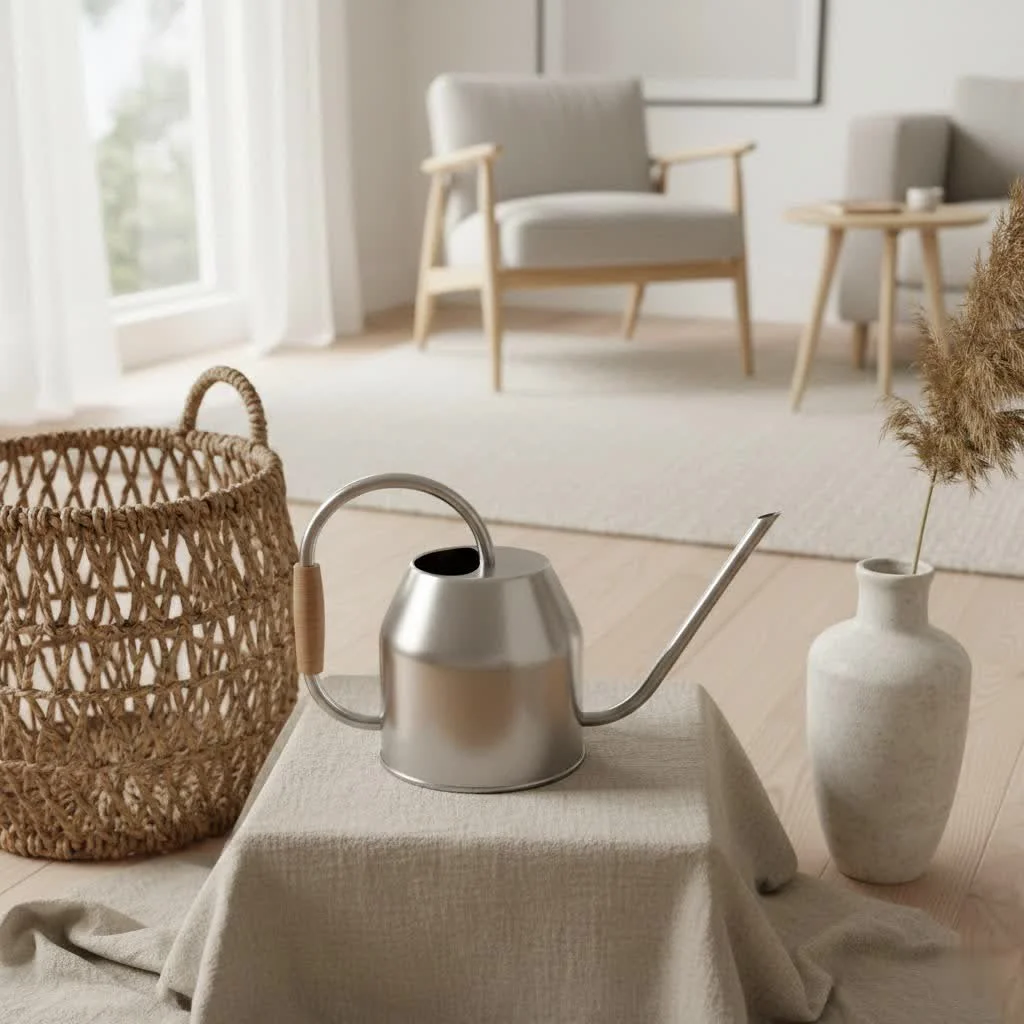
Indoor Watering Cans: A Detailed Buyer’s Guide
Popular Types of Indoor Watering Cans
Indoor watering cans come in a variety of materials, each offering unique benefits and considerations for the discerning plant parent. Understanding these differences is the first step toward making an informed choice for your specific needs. For shop curated gardening tools on this site.
- Plastic Indoor Watering Cans
- Pros: Plastic cans are typically lightweight, making them easy to carry even when full. They are often the most affordable option and widely available. Many are durable, resisting dents and rust, and can come with convenient features like transparent bodies to monitor water levels or extra-long spouts.
- Cons: While practical, plastic may not always offer the same aesthetic appeal as metal or ceramic options. They can sometimes feel less robust and may fade or become brittle over time if exposed to harsh conditions.
- Metal Indoor Watering Cans
- Pros: Metal watering cans, often made from stainless steel, copper, or galvanized steel, boast superior durability and a more sophisticated, decorative look. They tend to be sturdy and can last for many years, often developing a beautiful patina over time, especially with copper.
- Cons: The primary drawback of metal cans is their weight, which can make them heavier to lift and pour, especially when filled to capacity. They can also be more expensive than plastic alternatives and, depending on the material, may be susceptible to rust if not properly maintained.
- Ceramic Indoor Watering Cans
- Pros: Ceramic watering cans excel in aesthetic appeal, often serving as beautiful decorative pieces that seamlessly blend with home decor. They offer a unique, artisanal touch that plastic and even some metal cans cannot match, perfect for display when not in use.
- Cons: The most significant disadvantage of ceramic cans is their fragility; they are prone to breaking if dropped. They are also generally heavier than plastic and metal, and typically come with a higher price tag. Their practical functionality for everyday watering might be overshadowed by their decorative purpose.
Comparing Common Indoor Watering Can Materials
|
Our Picks for the Best Watering Can in 2026
As an Amazon Associate I earn from qualifying purchases.
|
||
| Num | Product | Action |
|---|---|---|
| 1 | 2 Gallon Watering Can, Outdoor Watering Can for Plants, Garden Water Can with Removable Long Spout and Stainless Steel Sprinkler Head, Large Water Can for Greenhouse (Dark Blue, 2 Gallon) |

|
| 2 | Watering Can for Indoor Plants, 35 oz/1000 ml Metal Stainless Steel Pot with Long Spout for House Plants Bonsai Outdoor Garden Flower Decorative (Black) |
|
| 3 | Long Spout Watering Can Indoor, Small Watering Cans for House Plants, Flowers, Succulents 33.8oz(Green) |
|
| 4 | Watering Can for Indoor Outdoor Plants, Modern Small Watering Cans with Removable Nozzle, Long Spout Watering Can for Indoor Bonsai Plants Garden Flowers 1/2 Gallon 1.8L 60OZ (Dark Green) |
|
| 5 | Small Watering Can for Indoor Plants, Mini Indoor Watering Can with Long Spout and Handle 12 Oz / 350 ml Rust-Proof 304 Stainless Steel Material |
|
| 6 | Plant Watering Can,35oz Metal Watering Can,Stainless Steel Indoor Plants with Long Curved Spout,Small Bonsai Outdoor Garden Modern Decorative(Black) |
|
| 7 | 350ml Small Watering Can for Indoor Plants, 12oz Mini Plant Watering Pot with Long Spout and Handle, Black Tiny Stainless Steel Watering-Can for Outdoor Indoor Plants Flower Garden |
|
| 8 | 2 Gallon Watering Can, Garden Watering Can Outdoor, Plant Water Can with Removable Long Spout and Stainless Steel Sprinkler Head, Large Plastic Outdoor Watering Cans for Gardening Flower Plants |
|
| 9 | Watering Can for Indoor and Outdoor Plants - Long Spout Water Can for Garden, Flower, House Plants - 1.8L/1/2 Gallon (Green) |
|
| 10 | Indoor Plants Watering Can for Indoor Plants Long Probe Soil Moisture Meter Long Spout 47 oz Watering Cans Water Monitor Indicator for Pot Flower House Gardening Farming |
|
| Feature | Plastic | Metal | Ceramic |
|---|---|---|---|
| Durability | Moderate | High | Low (fragile) |
| Price | Low | Medium – High | High |
| Weight | Light | Medium – Heavy | Heavy |
| Aesthetics | Low – Medium | Medium – High | High |
| Recyclability | Yes | Yes | No |
| Rust Resistance | High | Varies by metal | High |
Indoor Watering Can Capacity: Choosing the Right Fit
Selecting the appropriate watering can size is crucial for efficiency and comfort. Matching the capacity to your plant collection and watering frequency will significantly enhance your indoor gardening experience.
- Small Watering Cans (Under 1 liter / 34 oz): These petite cans are ideal for a few delicate houseplants, seedlings, or terrariums. Their small size allows for precise watering in tight spaces and is comfortable to handle for quick tasks. They are also easy to store discreetly.
- Medium Watering Cans (1-3 liters / 34-100 oz): This range suits most average indoor plant collections, balconies, or small indoor gardens. They offer a good balance between capacity and manageable weight, reducing the need for frequent refills while remaining easy to lift and maneuver.
- Large Watering Cans (Over 3 liters / 100 oz): While less common for purely indoor use, larger cans are beneficial if you have an extensive indoor jungle with many plants or larger specimens that require more water per session. Be mindful of the increased weight when full, as it can be cumbersome.
Expert Tips for Selecting a Quality Indoor Watering Can
Choosing the best indoor watering can involves considering several key features that contribute to its functionality, durability, and user experience. A thoughtfully chosen can can truly improve your plant care routine.
- Material Matters: Opt for a material that aligns with your priorities. If lightweight and budget-friendly are key, plastic is a great choice. For longevity and style, a metal can, like stainless steel or copper, might be preferred. For purely decorative purposes, ceramic adds elegance.
- Spout Design and Length: A long, thin spout (often called a “gooseneck”) is highly recommended for indoor plants. It allows for precise watering at the base of the plant, avoiding splashes on leaves or delicate soil. Look for models where the spout reaches easily between foliage. Some cans offer a removable “rose” (sprinkler head) for a gentler, wider flow, which can be useful for seedlings or wider planters, but a single stream is often preferred for targeted indoor watering.
- Comfortable Handle: The handle should feel comfortable and secure in your hand, both when empty and when the can is full. Some designs feature two handles, which can greatly improve balance and control, especially with larger capacities. An ergonomic grip reduces strain during watering sessions.
- Aesthetic Appeal: Since your indoor watering can will likely be visible, consider a design that you enjoy looking at and that complements your home’s style. Many modern designs double as decorative accents, adding to the beauty of your plant display.
- Reputable Brands: Investing in a watering can from a well-known brand often ensures better quality, design, and customer support. Brands specializing in gardening tools are more likely to offer products designed with practical plant care in mind.
How to Use and Maintain Your Indoor Watering Can
Proper usage and consistent maintenance are key to extending the life of your indoor watering can and ensuring it remains a hygienic tool for your plants. A little care goes a long way in preventing issues and keeping your can looking its best.
To get the most out of your watering can, always ensure you’re using it for its intended purpose, primarily watering your indoor plants. When filling, be mindful of the water level to prevent overfilling and spills, especially if your can has a smaller opening. Always aim the spout accurately to the soil, avoiding direct contact with sensitive leaves.
Regular cleaning is essential to prevent the buildup of mineral deposits, algae, or bacteria that could harm your plants. After each use, rinse the can thoroughly with clean water. For deeper cleaning, especially if you notice mineral residue, fill the can with a 1:1 solution of distilled white vinegar and warm water, letting it soak for at least 20 minutes. Scrub with a brush if needed, then rinse completely. Store your watering can in a dry, cool place, away from direct sunlight, which can cause plastic to degrade or metal to heat up excessively.
“A well-chosen watering can is not just about efficiency; it’s about connecting with your plants and making the act of nurturing a mindful, enjoyable experience.” – Amelia Green, Renowned Horticulturist
Top 5 Most Popular Indoor Watering Cans
Based on expert reviews and user feedback, these indoor watering cans stand out for their blend of functionality, design, and durability, making them excellent choices for any indoor gardener.
- Fasmov 1-Gallon Plastic Watering Can: Praised for its robust design and lightweight material, this 1-gallon plastic can offers excellent capacity and value. Its long, single spout provides precise watering, making it a top contender for those needing a practical and affordable option.
- Brilliest ¼-Gallon Plastic Watering Can: This model is a favorite for its clear, transparent body, which allows for easy monitoring of water levels. Its extra-long, thin spout ensures targeted watering, and its lightweight construction makes it exceptionally easy to handle for smaller plant collections.
- Haws Handy Indoor Plastic Watering Can: A classic choice, this 1-liter plastic can is cherished for its lightweight nature and the option for both a gentle sprinkle (via a removable rose) and a free-flow stream. It’s perfect for those with a few houseplants and limited storage.
- Homarden ⅓-Gallon Metal Watering Can: If aesthetics are a priority, the Homarden metal can delivers. With a sleek, often copper-colored finish and an integrated spout and handle design, it combines style with functionality, making it a beautiful display piece that performs well for medium-sized plant collections.
- Terrain Beech Wood Handle Watering Can: This stylish stainless steel can, featuring a comfortable beech wood handle, offers a sophisticated look for modern interiors. Its 18 oz capacity and slim nozzle make it suitable for smaller plants and provide a steady, controlled pour.
Product Comparison: Popular Indoor Watering Cans
| Product | Capacity | Material | Price Range | Pros | Cons |
|---|---|---|---|---|---|
| Fasmov 1-Gallon Plastic | 1 Gallon | Plastic | Affordable | Lightweight, durable, large capacity, precise long spout | Less aesthetic than metal/ceramic |
| Brilliest ¼-Gallon Plastic | ¼ Gallon | Plastic (Transparent) | Affordable | Transparent for water level, extra-long spout, lightweight, easy to fill | Smaller capacity, plastic aesthetic |
| Haws Handy Indoor Plastic | 1 Liter | Plastic | Mid-Range | Lightweight, sprinkle/pour options, removable rose with storage | Smaller capacity, may need frequent refills for larger collections |
| Homarden ⅓-Gallon Metal | ⅓ Gallon | Metal | Mid-Range | Stylish design, durable, good capacity for small collections | Can be hard to fully empty, heavier than plastic |
| Terrain Beech Wood Handle | 18 oz | Stainless Steel & Wood | Higher-End | Sleek design, comfortable wood handle, steady pour, good reach | Smaller capacity, higher price, wood handle requires indoor storage |
Your Smart Buying Guide for Indoor Watering Cans
Making the right choice for your indoor watering can is a personal decision that hinges on your specific needs, aesthetic preferences, and budget. By following a structured approach, you can confidently select a can that will serve you well for years to come.
First, identify your needs: How many plants do you have? What are their sizes? Do they require precise watering or a gentle shower? This will guide your decision on capacity and spout type. Next, research product information thoroughly. Look beyond just the brand name; examine the specifics of materials, dimensions, and user reviews. Pay attention to details like the size of the fill hole and handle ergonomics.
Then, compare prices and quality. A higher price doesn’t always guarantee superior quality, nor does a low price necessarily mean poor performance. Seek out the best value that balances durability, features, and cost. Always read reviews from other users. Real-world experiences offer invaluable insights into a product’s longevity, ease of use, and any potential drawbacks. Finally, purchase from reputable stores, whether online or in person, to ensure authenticity, reliable customer service, and easier returns if needed.
Conclusion
Choosing the best indoor watering can is a pivotal step in cultivating a flourishing indoor garden. From the lightweight convenience of plastic to the timeless elegance of metal and ceramic, each material offers unique advantages, while features like spout design, handle comfort, and capacity directly impact your watering efficiency and enjoyment. By considering these elements and aligning them with your personal gardening style, you can select a watering can that is both highly functional and a beautiful addition to your home.
What essential feature defines the perfect indoor watering can for your green space?
Frequently Asked Questions
Should I choose a plastic or metal indoor watering can?
The choice between plastic and metal largely depends on your priorities. Plastic cans are generally lighter, more affordable, and come in various capacities, making them excellent for practical, everyday watering. Metal cans, particularly those made from copper or stainless steel, offer superior durability, a more refined aesthetic, and can be considered a long-term investment that doubles as decor. If precision and lightweight handling are key, plastic might be better; if durability and style are paramount, opt for metal.
Get our weekly buyer guide
Practical specs, not advice. Unsubscribe anytime.

The information on spout types was really useful. I bought a can with a shorter spout, thinking it would be fine, but it’s still a bit awkward for my smaller succulents. It does the job, but next time I’ll definitely prioritize a longer, more precise spout. It’s a decent can, just not quite perfect for all my plants.
Finally, a guide that gets it! I’ve struggled with overwatering some of my more delicate plants because my old can had too strong a flow. The advice on adjustable flow rates was a game-changer. I found a can that lets me control the stream, and it’s made such a difference in keeping my indoor oasis thriving. Highly recommend paying attention to that feature!
I’ve been using a cheap plastic watering can for ages, and it always made a mess. This guide really helped me understand why a long, slender spout is so important for reaching those tricky spots without spilling. I ended up getting one of the stainless steel options recommended, and my fiddle leaf fig has never been happier. It looks great on my shelf too!
I appreciated the breakdown of different materials. I was leaning towards a metal can for durability, but after reading about how some can rust, I decided to go with a high-quality plastic one instead. It’s lightweight and easy to handle, which is perfect for my collection of hanging plants. The only thing is I wish it held a little more water.