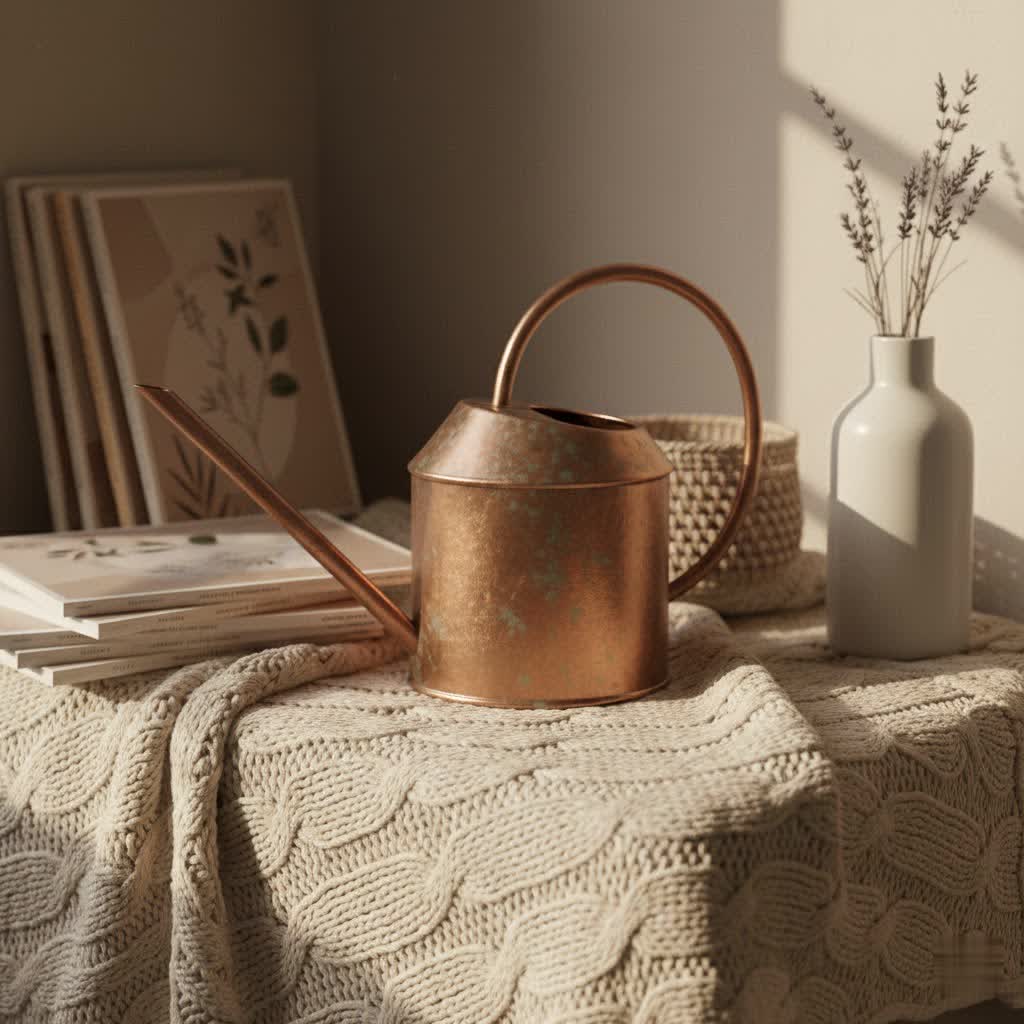
For many gardeners, the tools we use are more than just functional items; they are extensions of our passion, often holding sentimental value and adding character to our green spaces. Among these cherished tools, the vintage watering can stands out, blending timeless aesthetics with practical utility. Whether you’re seeking an authentic antique to adorn your garden or a new, vintage-style piece that evokes an old-world charm, finding the perfect companion requires a keen eye and a bit of knowledge. This guide will help you navigate the rich history and modern appeal of vintage watering cans, ensuring you choose a piece that not only looks beautiful but also serves your plants faithfully.
Understanding the Allure of Vintage Watering Cans
The draw of a vintage watering can lies in its unique ability to tell a story. Each dent, faded paint, or weathered patina speaks of seasons past, of countless plants nurtured, and of a connection to gardening traditions. These pieces bring a sense of history and warmth, transforming a mundane task into a delightful ritual. While some seek out genuine antiques for their rarity and collector’s value, many modern gardeners opt for newly manufactured “vintage-style” cans that capture the same aesthetic without the historical wear and tear. Both options offer a distinctive charm that elevates your gardening experience and home decor.
Types of Vintage Watering Cans: Materials and Their Characteristics
The material of a watering can significantly influences its durability, appearance, and how it ages. Vintage and vintage-style cans are primarily crafted from various metals, each offering distinct advantages.
Galvanized Steel Watering Cans
Galvanized steel cans are perhaps the most iconic representation of a “vintage” watering can. They feature a steel body coated with zinc, which provides a protective layer against rust.
- Pros: They boast a classic, industrial look that fits perfectly into rustic or farmhouse aesthetics. They are generally durable and can withstand outdoor conditions for many years.
- Cons: While galvanized to resist rust, the coating can eventually corrode, leading to rust over decades. Older cans may develop leaks at seams if not properly cared for or if exposed to freezing water.
- Aesthetic: Often feature a muted silver-gray finish that acquires a desirable, weathered patina over time.
Copper and Brass Watering Cans
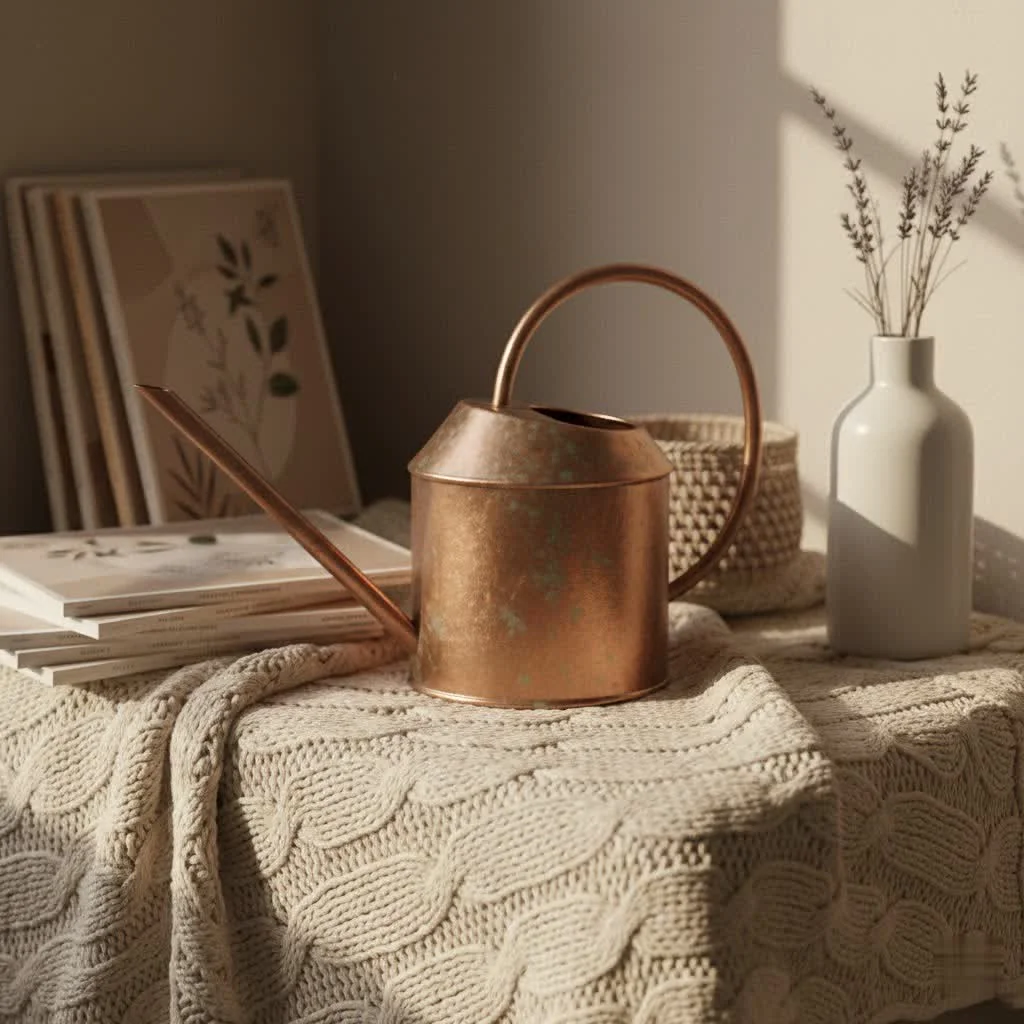
For those seeking a touch of elegance and luxury, copper and brass watering cans are an exquisite choice. These metals have been used for centuries, prized for their beauty and longevity.
- Pros: They develop a stunning patina—copper turns a beautiful verdigris green, while brass deepens to a rich brown—adding to their antique appeal. They are exceptionally durable and often feature intricate designs and fine craftsmanship.
- Cons: Copper and brass cans are typically more expensive than their galvanized counterparts. Copper can be heavier, especially when full. Genuine antique brass cans might be rare, as brass was often used sparingly in earlier designs.
- Aesthetic: Shine brightly when polished or display a rich, aged character with patina.
Enamel Watering Cans
|
Our Picks for the Best Watering Can in 2026
As an Amazon Associate I earn from qualifying purchases.
|
||
| Num | Product | Action |
|---|---|---|
| 1 | Indoor Plants Watering Can for Indoor Plants Long Probe Soil Moisture Meter Long Spout 47 oz Watering Cans Water Monitor Indicator for Pot Flower House Gardening Farming |

|
| 2 | Watering Can for Indoor Outdoor Plants, Modern Small Watering Cans with Removable Nozzle, Long Spout Watering Can for Indoor Bonsai Plants Garden Flowers 1/2 Gallon 1.8L 60OZ (Dark Green) |
|
| 3 | Watering Can for Indoor and Outdoor Plants - Long Spout Water Can for Garden, Flower, House Plants - 1.8L/1/2 Gallon (Green) |
|
| 4 | 350ml Small Watering Can for Indoor Plants, 12oz Mini Plant Watering Pot with Long Spout and Handle, Black Tiny Stainless Steel Watering-Can for Outdoor Indoor Plants Flower Garden |
|
| 5 | Plant Watering Can,35oz Metal Watering Can,Stainless Steel Indoor Plants with Long Curved Spout,Small Bonsai Outdoor Garden Modern Decorative(Black) |
|
| 6 | 2 Gallon Watering Can, Garden Watering Can Outdoor, Plant Water Can with Removable Long Spout and Stainless Steel Sprinkler Head, Large Plastic Outdoor Watering Cans for Gardening Flower Plants |
|
| 7 | Long Spout Watering Can Indoor, Small Watering Cans for House Plants, Flowers, Succulents 33.8oz(Green) |
|
| 8 | 2 Gallon Watering Can, Outdoor Watering Can for Plants, Garden Water Can with Removable Long Spout and Stainless Steel Sprinkler Head, Large Water Can for Greenhouse (Dark Blue, 2 Gallon) |
|
| 9 | Watering Can for Indoor Plants, 35 oz/1000 ml Metal Stainless Steel Pot with Long Spout for House Plants Bonsai Outdoor Garden Flower Decorative (Black) |
|
| 10 | Small Watering Can for Indoor Plants, Mini Indoor Watering Can with Long Spout and Handle 12 Oz / 350 ml Rust-Proof 304 Stainless Steel Material |
|
Popular in the mid-20th century, enamel watering cans offer a vibrant splash of color to your garden tools. These cans feature a metal base (often steel or iron) coated with a layer of glass-like enamel.
- Pros: Available in a wide array of colors, from bold hues to classic creams and greens, providing a distinct retro look. They are smooth, easy to clean, and resistant to rust where the enamel is intact.
- Cons: The enamel coating can chip or crack if dropped or knocked, exposing the underlying metal to rust. This can be part of their charm, but also a point of vulnerability.
- Aesthetic: Bright and cheerful, adding a playful, nostalgic touch.
Key Features of a Quality Vintage Watering Can
Beyond the material, several design elements contribute to the functionality and appeal of a watering can, whether it’s an heirloom or a modern reproduction.
Spout Design: Precision and Gentleness
A well-designed spout is crucial for effective watering. Many vintage and vintage-style cans feature a long, slender spout, ideal for reaching plants in crowded beds or precisely watering indoor houseplants without splashing. The “rose” or sprinkler head—a detachable cap with small holes—is another hallmark feature. It disperses water into a gentle, rain-like shower, perfect for delicate seedlings, young plants, or plants with sensitive foliage, preventing soil erosion and plant damage. The renowned Haws watering can, patented in 1886, is famous for its extended spout and ergonomic design, which often includes a rose.
Ergonomic Handles: Comfort and Balance
The comfort and balance of a watering can’s handles are paramount, especially when the can is full. Many classic designs feature two handles: one on top for carrying the weighty can from tap to plant, and another at the back for tilting and pouring with greater control. This dual-handle system, popularized by Haws, greatly improves usability and reduces strain. A comfortable grip, free from sharp edges, ensures a pleasant watering experience.
Capacity: Matching Size to Task
Vintage watering cans come in various capacities, from small, half-liter versions ideal for indoor succulents to multi-gallon giants suited for expansive outdoor gardens. Choosing the right capacity depends on your specific needs. Smaller cans are lightweight and easy to maneuver for houseplants, while larger cans reduce the frequency of refills for bigger gardens.
Collecting Authentic Vintage Watering Cans
For the dedicated collector or enthusiast, the hunt for an authentic vintage watering can is a rewarding pursuit.
- What to Look For: Seek out distinctive styles, such as the often bulky and practical early American cans, the elegant French designs with graceful arched handles, or the classic English Haws cans with their signature two-handle system and brass rose. Look for a natural patina, which develops over time and adds character. Some cans may bear manufacturer’s marks or date stamps, which can help determine age and origin.
- Condition: Minor dents and faded paint can enhance a can’s vintage charm. However, always inspect for significant damage, especially around seams and the base, which could indicate leaks. Be aware that repainting an antique can significantly devalue it in the eyes of collectors.
- Where to Find Them: Antique shops, flea markets, estate sales, and online marketplaces specializing in vintage goods are excellent places to discover these treasures.
Caring for Your Vintage or Vintage-Style Watering Can
Proper care ensures your watering can remains a functional and beautiful piece for years to come.
- Cleaning: Rinse your watering can thoroughly after each use, especially if you’ve added liquid fertilizers. Fertilizers, both organic and synthetic, can be acidic or salty, accelerating corrosion and rust in metal cans.
- Storage: Avoid leaving metal watering cans outside filled with water, especially in freezing temperatures, as ice expansion can split seams. If storing outdoors, lay them on their side or upside down to prevent water from collecting, which can lead to rust and attract mosquitoes. Ideally, store metal cans under cover in a dry, cool place to preserve their finish and integrity.
- Repairing Leaks: For minor leaks in metal cans, a bead of waterproof silicone caulk applied to the inside of the seam can often provide an effective and lasting repair.
Integrating Vintage Watering Cans into Your Garden and Home Decor
A vintage watering can isn’t just a tool; it’s a decorative statement. Beyond their primary function, these charming pieces can be repurposed to enhance your living spaces. Use them as rustic planters for seasonal flowers, display them on a porch or patio alongside other garden curiosities, or even bring them indoors as unique decorative accents on a shelf or mantel. Their timeless design and inherent character instantly add warmth and personality, creating an ambiance that celebrates the beauty of age and the joy of gardening.
Top Vintage-Inspired Watering Cans for Modern Gardeners
Today, many manufacturers create new watering cans that beautifully capture the vintage aesthetic while offering modern durability and features. You can find excellent vintage-style options across various materials:
- Galvanized Steel: Many new galvanized steel cans mimic the classic farm-style design, often featuring a protective zinc coating and sturdy construction suitable for both indoor and outdoor use. They are valued for their rugged good looks and robust nature.
- Copper-Finished or Brass-Accent Cans: These cans offer the luxurious appearance of copper or brass without the higher cost of solid metal. Often, a steel can will have a copper or brass plating or accents on the handles and rose, providing a rich, warm gleam that darkens beautifully with age.
- Enamel-Coated Metal Cans: New enamel cans reproduce the vibrant, mid-century charm of their predecessors, offering a pop of color and a smooth finish. They are perfect for adding a touch of playful nostalgia to your kitchen or sunroom.
When choosing a new vintage-style can, look for features like a long, narrow spout for precision, a comfortable handle that balances well when full, and a detachable rose for versatile watering. Brands that prioritize quality materials and thoughtful design will ensure your vintage-inspired can is both a joy to use and a beautiful addition to your collection.
Conclusion
The enduring appeal of a vintage watering can lies in its perfect marriage of form and function. These charming pieces not only provide an essential service in nurturing our plants but also connect us to a rich gardening heritage, imbuing our spaces with warmth, character, and a touch of nostalgia. Whether you stumble upon a genuine antique with a story to tell or select a newly crafted can that evokes classic elegance, the right vintage watering can becomes more than just a tool—it becomes a treasured companion in your gardening journey. So, go ahead, discover the can that speaks to your gardening soul, and let its timeless beauty inspire every drop you give to your beloved plants.
What story will your next vintage watering can tell in your garden?
Frequently Asked Questions
What materials are vintage watering cans typically made from?
Vintage watering cans are most commonly made from metals such as galvanized steel, copper, brass, and enamel-coated steel. Each material offers distinct aesthetic qualities and durability. Galvanized steel provides a classic, rustic look, while copper and brass develop a beautiful patina over time. Enamel cans often feature vibrant colors and a smooth, glossy finish.
How do I prevent my metal watering can from rusting?
To prevent rust, always empty and rinse your metal watering can after each use, especially if you’ve used fertilizers. Store it in a dry place, ideally indoors, and avoid leaving it outside in freezing temperatures. If stored outdoors, lay it on its side or upside down to prevent water from collecting inside, which can lead to corrosion and mosquito breeding.
Can I use an antique watering can for actual watering?
Yes, many antique watering cans are perfectly functional for actual watering, provided they are in good condition and free of significant leaks. In fact, using them adds to their charm and connection to gardening history. For leaking cans, minor repairs with waterproof silicone caulk can often restore their functionality. Always inspect an antique can for structural integrity before filling it.
Get our weekly buyer guide
Practical specs, not advice. Unsubscribe anytime.
