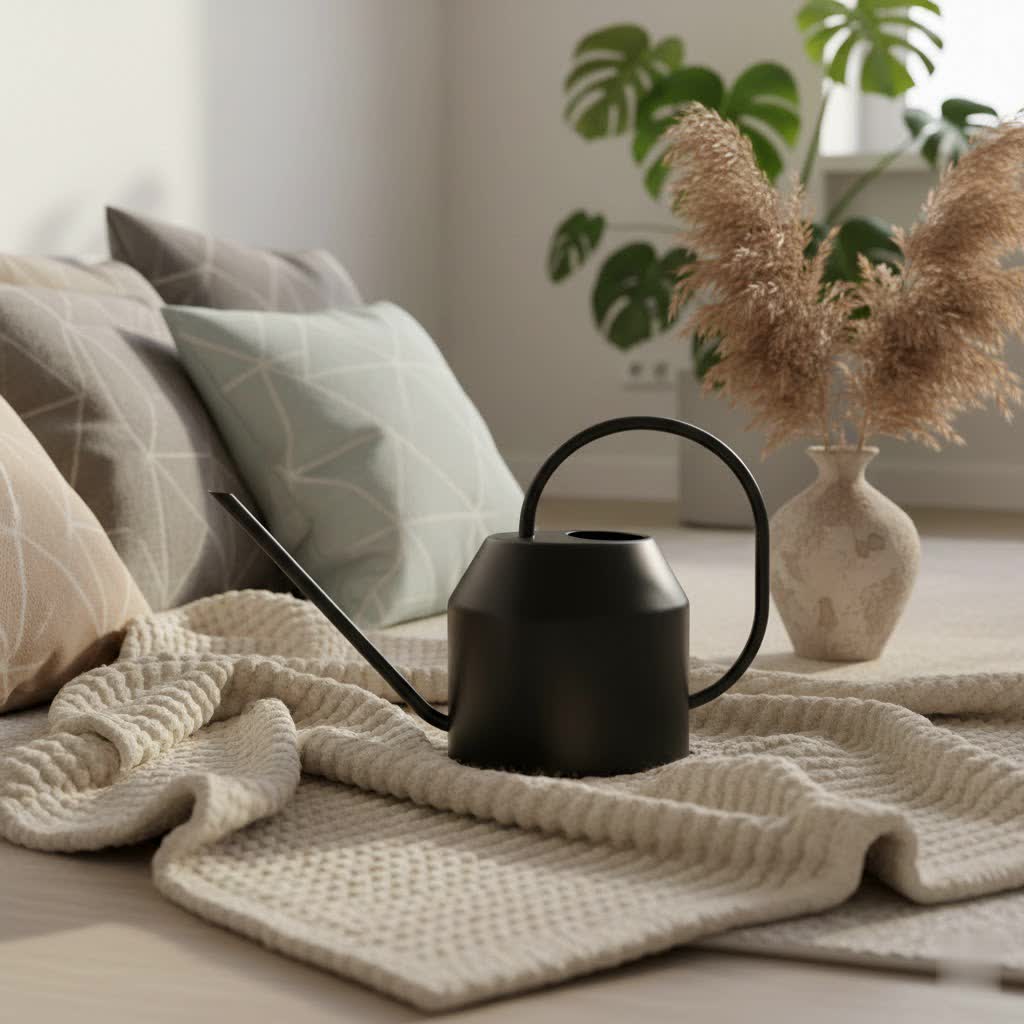
Nurturing your indoor plant collection brings immense joy and a touch of nature into your home, but the right tools are crucial for their health. A common dilemma for plant enthusiasts is finding the perfect watering can—one that’s not too bulky for indoor use, offers precision, and perhaps even complements your decor. Forget clumsy cups or messy bottles; a dedicated small watering can for indoor plants is an indispensable companion, simplifying the hydration process and ensuring your green companions receive exactly what they need without spills or overwatering. This comprehensive guide will navigate you through everything you need to know, from materials and capacity to key features and maintenance tips, helping you select a watering can that’s both functional and stylish.
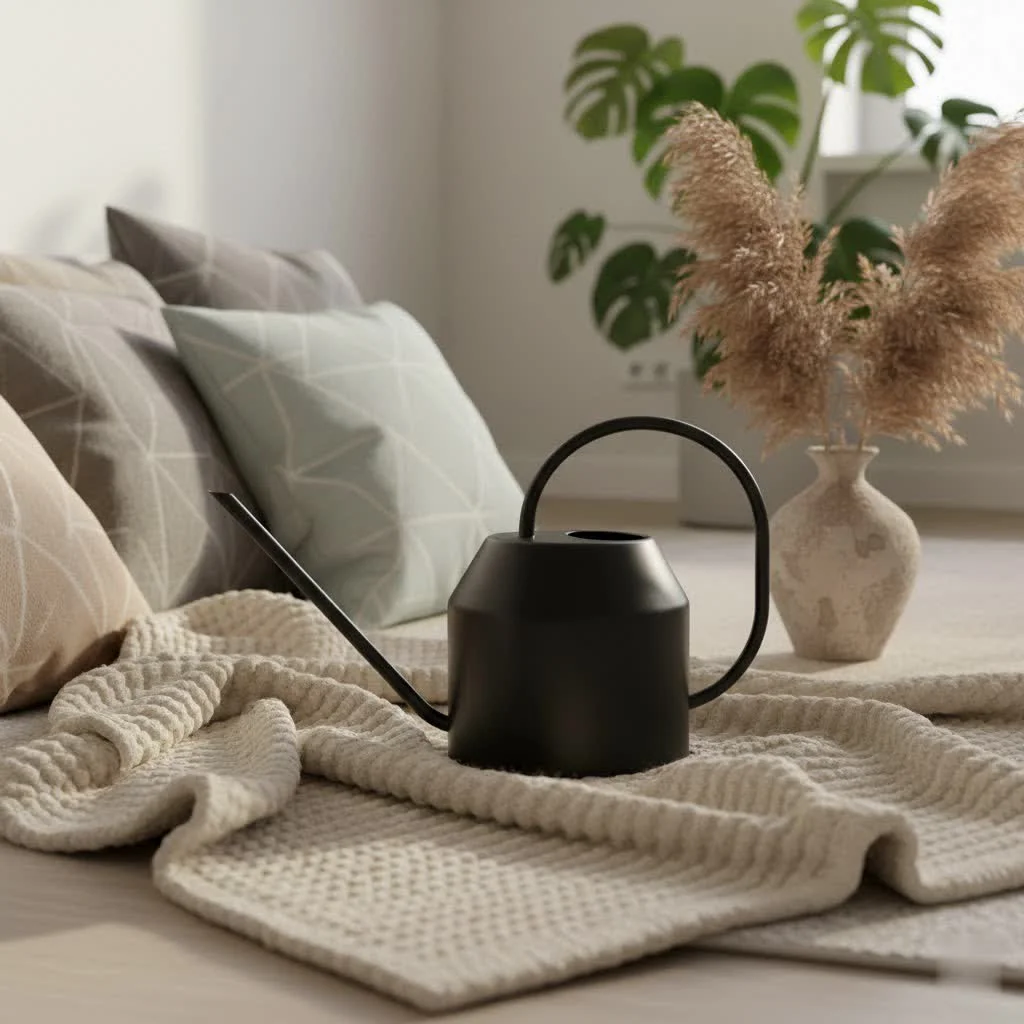
Small Watering Cans: Your Essential Guide to Indoor Plant Hydration
The world of small watering cans is diverse, offering options tailored to every plant parent’s needs and aesthetic preferences. Understanding the fundamental types and their characteristics is the first step toward making an informed decision for your beloved houseplants. For browse all gardening tools articles on this site.
Popular Types of Small Watering Cans for Indoor Use
When considering a small watering can for your indoor plants, you’ll primarily encounter three main material types, each with its own set of advantages and disadvantages that cater to different priorities.
- Plastic Watering Cans: These are perhaps the most common and accessible options.
- Pros: Plastic cans are notably lightweight, making them easy to carry and maneuver, especially when full. They are generally the most affordable choice, widely available, and often come in a vibrant array of colors to match any interior. Many plastic models also feature transparent or translucent bodies, allowing you to easily monitor water levels. They are resistant to rust and relatively durable against drops.
- Cons: While durable, plastic may not have the longevity of metal and can become brittle or discolored over extended periods, especially if exposed to harsh sunlight. Some cheaper plastics can feel flimsy. Their aesthetic appeal is often considered less sophisticated compared to metal or ceramic options.
- Metal Watering Cans: Often chosen for their durability and classic appearance, metal watering cans add a touch of elegance.
- Pros: Metal cans, particularly those made from stainless steel, galvanized steel, or copper, are highly durable and resistant to impact. They offer a premium, often vintage or modern, aesthetic that can double as a decorative item in your home. Stainless steel and copper options are naturally rust-resistant, while galvanized steel is treated to prevent corrosion. They tend to have a satisfying weight and feel of quality.
- Cons: Metal cans are typically heavier than plastic alternatives, which might be a consideration if you have many plants or mobility concerns. They are generally more expensive and, unless made from stainless steel or copper, can be prone to rust if not properly maintained and dried. Some designs can be less ergonomic in terms of handle comfort compared to well-designed plastic models.
- Ceramic or Decorative Watering Cans: These are primarily chosen for their artistic flair and ability to enhance home decor.
- Pros: Ceramic or other gourmet material watering cans are unmatched in their aesthetic appeal. They often feature unique glazes, hand-painted designs, or sculptural forms that make them true statement pieces. They can seamlessly blend with or improve your interior design, serving as both a functional tool and a decorative object.
- Cons: The most significant drawback is their fragility; ceramic is prone to chipping or breaking if dropped. They are also generally the most expensive option. Functionality might be secondary to form, meaning spouts or handles might not be as optimized for practical watering as purpose-built plastic or metal cans. Their weight can also be substantial.
Comparing Small Watering Can Materials
|
Our Picks for the Best Watering Can in 2026
As an Amazon Associate I earn from qualifying purchases.
|
||
| Num | Product | Action |
|---|---|---|
| 1 | Watering Can for Indoor Plants, 35 oz/1000 ml Metal Stainless Steel Pot with Long Spout for House Plants Bonsai Outdoor Garden Flower Decorative (Black) |

|
| 2 | Small Watering Can for Indoor Plants, Mini Indoor Watering Can with Long Spout and Handle 12 Oz / 350 ml Rust-Proof 304 Stainless Steel Material |
|
| 3 | 2 Gallon Watering Can, Outdoor Watering Can for Plants, Garden Water Can with Removable Long Spout and Stainless Steel Sprinkler Head, Large Water Can for Greenhouse (Dark Blue, 2 Gallon) |
|
| 4 | Indoor Plants Watering Can for Indoor Plants Long Probe Soil Moisture Meter Long Spout 47 oz Watering Cans Water Monitor Indicator for Pot Flower House Gardening Farming |
|
| 5 | Watering Can for Indoor Outdoor Plants, Modern Small Watering Cans with Removable Nozzle, Long Spout Watering Can for Indoor Bonsai Plants Garden Flowers 1/2 Gallon 1.8L 60OZ (Dark Green) |
|
| 6 | 2 Gallon Watering Can, Garden Watering Can Outdoor, Plant Water Can with Removable Long Spout and Stainless Steel Sprinkler Head, Large Plastic Outdoor Watering Cans for Gardening Flower Plants |
|
| 7 | Long Spout Watering Can Indoor, Small Watering Cans for House Plants, Flowers, Succulents 33.8oz(Green) |
|
| 8 | Watering Can for Indoor and Outdoor Plants - Long Spout Water Can for Garden, Flower, House Plants - 1.8L/1/2 Gallon (Green) |
|
| 9 | Plant Watering Can,35oz Metal Watering Can,Stainless Steel Indoor Plants with Long Curved Spout,Small Bonsai Outdoor Garden Modern Decorative(Black) |
|
| 10 | 350ml Small Watering Can for Indoor Plants, 12oz Mini Plant Watering Pot with Long Spout and Handle, Black Tiny Stainless Steel Watering-Can for Outdoor Indoor Plants Flower Garden |
|
To help you quickly discern the best fit for your needs, here’s a comparative overview of the common materials for small indoor watering cans:
| Feature | Plastic | Metal | Ceramic |
|---|---|---|---|
| Durability | Medium | High | Low – Medium |
| Price | Low | Medium – High | High |
| Weight | Light | Medium – Heavy | Medium – Heavy |
| Aesthetics | Basic – Modern | Classic – Modern | High-end |
| Rust Resistance | Excellent | Varies (Stainless, Copper > Galvanized) | Excellent |
| Transparency | Often | Never | Never |
Choosing the Right Capacity for Your Indoor Plants
The capacity of your small watering can is a critical factor that directly impacts convenience and efficiency. Choosing the right size ensures you don’t make endless trips to the faucet or struggle with an overly heavy container.
- Under 1 Liter (e.g., 0.5-0.75 Liters or 1-2 Pints): These miniature cans are ideal for a small collection of houseplants, particularly delicate ones, seedlings, or succulents that require precise, minimal watering. Their compact size makes them perfect for small spaces, windowsills, or desks. They are very lightweight and easy to handle, minimizing the risk of overwatering tiny pots.
- 1-2 Liters (e.g., 0.25-0.5 Gallons or 2-4 Pints): This capacity range is generally considered the sweet spot for most indoor plant enthusiasts. It’s suitable for watering a moderate collection of houseplants without constant refilling, yet still light enough to manage comfortably when full. Cans in this size strike an excellent balance between capacity and maneuverability, making them versatile for various plant sizes and locations within your home.
- 2-4 Liters (e.g., 0.5-1 Gallon or 4-8 Pints): For those with a larger indoor jungle or bigger potted plants, a 2-4 liter watering can offers greater capacity, reducing the frequency of refills. While heavier when full, these larger small cans are still designed for indoor use and often feature ergonomic handles to aid in carrying and pouring. They provide a good compromise for more extensive collections without requiring an outdoor-sized can.
Key Features to Look for in a Quality Small Watering Can
Beyond material and size, several design elements contribute to the overall functionality, ease of use, and effectiveness of a small indoor watering can. Paying attention to these details can make a significant difference in your plant care routine.
- Material Quality: Opt for durable, non-toxic materials. If choosing plastic, look for sturdy, thick resin that resists cracking. For metal, stainless steel or high-quality galvanized options will ensure longevity and rust resistance.
- Spout Design: A long, slender spout is paramount for indoor plants. It allows for precise watering directly at the soil level, preventing water from splashing onto leaves (which can lead to fungal issues) or delicate flowers. A thin spout is also excellent for reaching plants nestled amongst others or in hanging baskets, ensuring water goes exactly where it’s needed without disturbing the foliage or spilling onto furniture. Some cans also offer a removable “rose” (a showerhead attachment) for a gentler, broader shower, useful for seedlings or very thirsty plants, adding versatility.
- Handle & Ergonomics: A comfortable and well-balanced handle is crucial, especially when the can is full. Look for a design that fits well in your hand and provides a secure grip. Some cans feature dual handles, one for carrying and one for tilting, which significantly improves balance and control during pouring, reducing strain on your wrist and arm.
- Overall Design and Stability: A well-designed watering can should be stable when placed down, whether empty or full, to prevent accidental tipping. Consider the aesthetics if the can will be a visible accessory in your home. Beyond looks, ease of filling is important; a wide opening makes refilling under a faucet simple and mess-free.
- Brand Reputation: While not a feature of the can itself, reputable brands often indicate higher quality, better design, and reliable performance. Reading reviews from other plant enthusiasts can provide valuable insights into a product’s real-world usability and durability.
How to Use and Maintain Your Small Indoor Watering Can
Proper use and maintenance will not only extend the life of your watering can but also ensure your plants receive the best care.
- Proper Watering Techniques: Always aim the spout directly at the soil, avoiding the leaves, especially for plants prone to powdery mildew or leaf spot. Water slowly and evenly, allowing the soil to absorb moisture gradually until you see drainage from the pot’s bottom. For plants in hard-to-reach spots or with dense foliage, the long, narrow spout is your best friend for precision.
- Cleaning and Storage Tips: After each use, empty any remaining water to prevent algae growth and mineral buildup. Rinse the can with fresh water and allow it to air dry thoroughly before storing. For a deeper clean, especially if you notice residue, use a mild soap solution and a soft brush to scrub the interior and spout, then rinse well. Store your watering can in a dry, cool place, away from direct sunlight, to prevent material degradation or discoloration, especially for plastic models.
- Preventing Algae and Mineral Buildup: Regularly cleaning your can is the best defense against algae. If you use tap water with high mineral content, white scale can build up over time. A solution of equal parts white vinegar and water can help dissolve these mineral deposits. Let it soak for an hour, then scrub and rinse thoroughly.
Top Small Watering Cans for Indoor Plants
Instead of naming specific brands which can change in availability and rankings, here are categories of top-performing small watering cans for indoor plants, based on their popular features and designs.
- The Precision Pour Plastic Can: Characterized by its lightweight yet sturdy plastic construction and an extra-long, thin spout. These are often transparent or semi-transparent, allowing for easy monitoring of water levels. They are highly practical for precise watering of succulents and small houseplants, ensuring water reaches the roots without spillage.
- The Stylish Stainless Steel Can: A favorite for modern interiors, these cans boast sleek lines and a polished finish. Crafted from durable stainless steel, they are rust-resistant and add a sophisticated touch to your plant care routine. Their weight offers stability, and many feature ergonomic handles for comfortable use.
- The Ergonomic Multi-Tasker: These innovative designs prioritize user comfort and versatility. They often feature dual handles for superior balance and control, making them easy to carry and pour even when full. Some models come with a removable rose attachment, allowing you to switch between a precise stream and a gentle shower, adapting to different plant needs.
- The Compact & Colorful Choice: Perfect for those with limited space or who appreciate a pop of color, these small-capacity plastic cans are both functional and visually appealing. They are incredibly lightweight, easy to store, and often come in a range of bright hues that can complement your home decor while providing effective watering for a few cherished plants.
- The Vintage Copper/Galvanized Option: For a touch of rustic charm or classic elegance, these metal cans are highly sought after. Copper develops a beautiful patina over time, while galvanized steel offers a resilient, industrial look. They are durable and often chosen as decorative pieces, providing a sturdy and long-lasting tool for plant care.
Small Watering Can Product Comparison
This table outlines general characteristics to look for across different types of small indoor watering cans, rather than comparing specific product names.
| Type (Common Material) | Capacity Range (Approx.) | Key Advantages | Potential Drawbacks |
|---|---|---|---|
| Plastic (Long Spout) | 1-2 Liters | Lightweight, affordable, precise, transparent | Less aesthetic appeal, less durable than metal |
| Stainless Steel | 1-2.5 Liters | Durable, stylish, rust-resistant, good balance | Heavier, higher price |
| Plastic (Ergonomic) | 1.5-3 Liters | Comfortable grip, versatile (rose option) | Can still feel less premium than metal |
| Ceramic/Decorative | 0.5-1.5 Liters | High aesthetic value, unique designs | Fragile, expensive, less functional spout |
| Galvanized Steel | 1.5-2.5 Liters | Durable, vintage look, stable | Can be heavy, may rust if not well-coated |
Your Ultimate Buying Guide for Small Indoor Watering Cans
Making the right choice for your indoor watering can involves a few straightforward steps to ensure it meets both your functional needs and aesthetic desires.
- Assess Your Plant Collection Size and Needs: If you have just a few small plants or succulents, a mini can (under 1 liter) is sufficient. For a larger collection of varied sizes, a 1-2 liter can offers versatility. Consider plants with dense foliage or those hanging high, as these will benefit most from a long, narrow spout.
- Prioritize Desired Features: Do you value precision above all else? A long-spout plastic or stainless steel can is best. Is aesthetics a major concern? Look at decorative metal or ceramic options. If ease of handling and comfort are paramount, seek out cans with ergonomic, perhaps dual, handles.
- Read Reviews & Check Ratings: Before making a purchase, take time to read reviews from other indoor plant enthusiasts. Pay attention to comments regarding spout precision, handle comfort, durability, and any issues like leaking or rusting. High ratings often correlate with user satisfaction.
- Consider Your Budget: Small watering cans range widely in price. Determine how much you’re willing to invest, balancing cost with quality and desired features. that a slightly higher initial investment in a durable, well-designed can can save you money and frustration in the long run.
- Where to Buy: You can find small watering cans at local garden centers, home improvement stores, or through numerous online retailers. Shopping online often provides a wider selection and competitive pricing, while in-store shopping allows you to physically assess the can’s weight, feel, and spout length.
“A well-chosen small watering can truly transforms the experience of caring for your indoor plants. It’s not just a tool; it’s an extension of your commitment to their health and beauty.” – ReviewAgile.com Admin, Gardening & Irrigation Expert
Conclusion
Selecting the ideal small watering can for your indoor plants is a simple yet impactful decision that enhances your gardening journey. From lightweight plastic options for everyday convenience to elegant metal designs that double as decor, the perfect can balances capacity, spout design, and ergonomic comfort to provide precise hydration. By considering your plant collection’s specific needs, prioritizing key features, and choosing a quality material, you can transform the routine chore of watering into a satisfying act of nurturing. Your thriving houseplants will thank you for the thoughtful choice. What unique features do you look for in your ideal indoor watering can?
Frequently Asked Questions
Should I choose a plastic or metal small watering can for my indoor plants?
The choice between plastic and metal depends on your priorities. Plastic cans are lightweight, affordable, and often transparent, making them practical for daily use and easy water level monitoring. Metal cans, especially stainless steel or copper, offer superior durability and a more refined aesthetic that can complement home decor, though they are typically heavier and more expensive.
What is the ideal size for an indoor watering can?
For most indoor plant enthusiasts, an ideal size ranges from 1 to 2 liters (approximately 0.25 to 0.5 gallons). This capacity strikes a perfect balance, holding enough water to hydrate several plants without constant refilling, yet remaining light and maneuverable enough to handle comfortably in indoor spaces. Smaller options (under 1 liter) are excellent for succulents or very few plants.
Why is a long spout important for indoor plant watering?
A long, slender spout is crucial for indoor plant watering because it allows for precise control. It enables you to direct water exactly to the soil at the base of the plant, avoiding splashes on leaves or delicate flowers that can lead to rot or fungal issues. This precision is also invaluable for reaching plants in tight spots, dense foliage, or hanging baskets.
How often should I clean my watering can?
It’s a good practice to rinse your watering can with fresh water after each use and allow it to air dry to prevent algae growth and mineral buildup. A more thorough cleaning with mild soap and water, or a vinegar solution for mineral deposits, should be done monthly or whenever you notice residue or discoloration, especially if using untreated tap water.
Can I use tap water in my watering can for all indoor plants?
While most indoor plants tolerate tap water, some sensitive species, like orchids or carnivorous plants, prefer distilled, rainwater, or filtered water to avoid mineral buildup (chlorine, fluoride) which can be harmful. For the majority of houseplants, tap water is acceptable, but letting it sit overnight in your watering can allow chlorine to dissipate, benefiting your plants.
Get our weekly buyer guide
Practical specs, not advice. Unsubscribe anytime.

Finally found a watering can that doesn’t make a mess! The ergonomic handle on the one I picked up is really comfortable, even when I’m watering all my plants at once. It’s so much better than trying to use a cup and spilling water everywhere. My plants seem happier too, getting just the right amount of water without overdoing it.
I got a metal watering can based on the recommendations, and while it looks great, I’ve noticed it can be a bit heavy when full. It’s not a huge issue, but something to consider if you have a lot of plants to water or struggle with grip strength. The long spout is fantastic for reaching into dense foliage though, which is a big plus.
I’ve been using a small watering can for my indoor plants for a few weeks now, and it’s made such a difference! The precision spout is a game-changer for my succulents and smaller pots, no more accidental spills on my windowsill. It’s also surprisingly stylish, which is a nice bonus for something that sits out all the time.
This guide was super helpful in choosing a new can. I ended up getting one with a 1-liter capacity, which is perfect for my collection of medium-sized houseplants without needing constant refills. The material feels durable, and it’s much easier to handle than the old plastic jug I was using. Definitely recommend upgrading if you’re still using a makeshift watering solution.