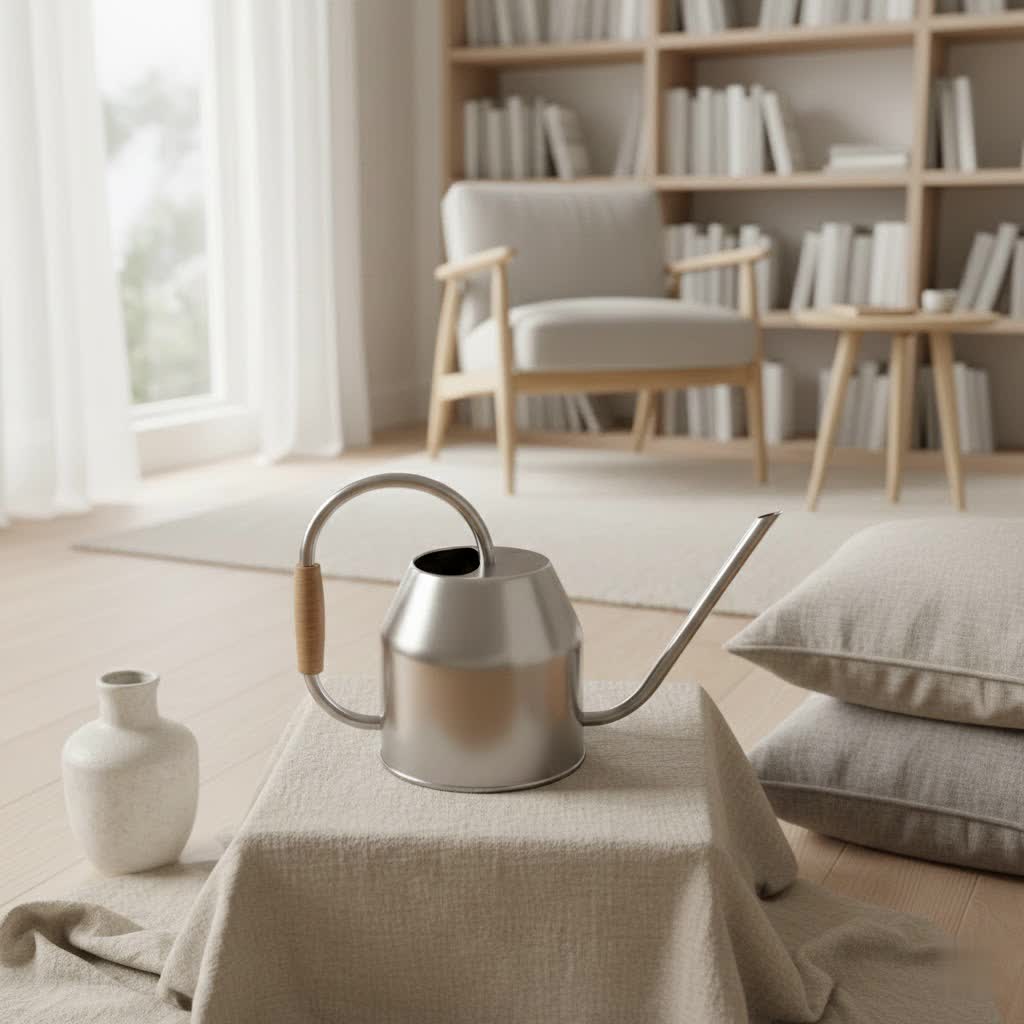
As a seasoned gardener with over a decade of experience, I’ve seen countless house plants thrive with the right tools and wither from neglect. Among these essential tools, the humble watering can stands out. It’s more than just a vessel for water; it’s a conduit for life, directly influencing the health and vitality of your indoor greenery. Choosing the perfect watering can is an art, a blend of practicality and personal style, ensuring your plants receive the precise care they deserve. This guide will share my firsthand insights, helping you navigate the options and select a house plant watering can that feels like a natural extension of your green thumb.
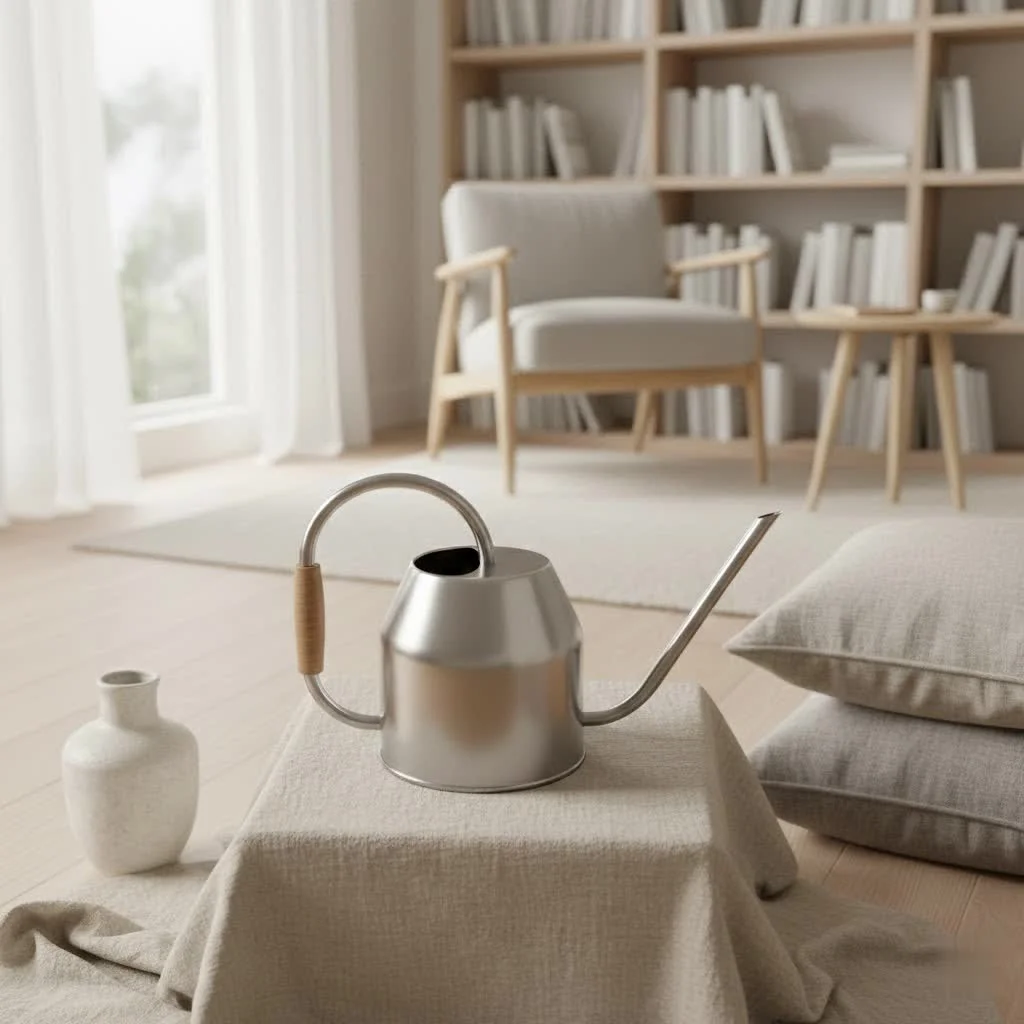
Understanding Different Types of House Plant Watering Cans
The world of watering cans offers a surprising variety, each with unique characteristics suited to different plant care routines and aesthetic preferences. Understanding these types is the first step in finding your ideal companion.
Plastic Watering Cans
Plastic watering cans are often the go-to choice for many indoor gardeners, and for good reason.
- Advantages: They are remarkably lightweight, even when full, making them easy to carry around a large collection of plants. Their affordability means you can easily acquire multiple cans for different purposes or simply to match various decor styles. Manufacturers also offer plastic cans in a vast array of colors and designs, from minimalist modern to whimsical shapes.
- Disadvantages: While convenient, plastic models can be less durable than their metal counterparts, potentially cracking or fading over time, especially if exposed to sunlight.
Metal Watering Cans
For those seeking longevity and a touch of classic elegance, metal watering cans are an excellent option. These are typically crafted from materials like stainless steel, galvanized steel, or copper.
- Advantages: Metal cans boast superior durability and sturdiness, resisting damage and often outlasting plastic versions. Their timeless designs can double as decorative pieces, enhancing your home’s aesthetic even when not in use. Copper and zinc options are sometimes favored for their antimicrobial properties.
- Disadvantages: The primary drawbacks are their weight, which can become substantial when filled with water, and their higher price point. Metal cans, particularly those not made of stainless steel, can also be susceptible to rust if not properly maintained.
Ceramic Watering Cans
Ceramic watering cans are a less common but highly artistic choice, often selected for their decorative appeal.
- Advantages: These cans offer exceptional aesthetic value, often featuring unique glazes, textures, and handcrafted details that make them beautiful display pieces. They can seamlessly integrate into your interior design, adding a touch of sophistication to your plant care routine.
- Disadvantages: Their main downsides are fragility and cost. Ceramic is prone to chipping or breaking if dropped, and these cans typically come with a higher price tag. They are best suited for careful handling and less frequent use.
Comparing Popular House Plant Watering Can Materials
To help you visualize the differences, here’s a quick comparison of the most common materials:
| Feature | Plastic | Metal (Stainless Steel, Copper) | Ceramic |
|---|---|---|---|
| Durability | Low – Medium | High | Medium – Low |
| Price | Low | Medium – High | High |
| Weight | Light | Heavy | Medium |
| Aesthetic | Varied | High (Classic, Modern) | High (Artistic) |
| Recyclability | Often | Yes | No |
Watering Can Capacity: Choosing the Right Size for Your House Plants
The capacity of your watering can is a critical factor, directly impacting your watering efficiency and comfort. Matching the can’s size to your plant collection prevents unnecessary refills or cumbersome handling.
- Small Watering Cans (Under 1 Liter / 0.5-1 Quart): These petite cans are ideal for delicate seedlings, succulents, or small groupings of plants on a windowsill. Their compact size allows for precise watering without over-saturating tiny pots. They are perfect when you need a gentle touch for your most precious indoor plants.
- Medium Watering Cans (1-3 Liters / 1-3 Quarts): This is the most versatile range for many indoor gardeners. A 1 to 2-liter can works wonderfully for a modest collection of houseplants on a balcony or in a small indoor garden. It provides enough water to tackle several plants without becoming too heavy, striking a good balance between capacity and manageability.
- Large Watering Cans (Over 3 Liters / 1+ Gallon): If you boast an extensive indoor jungle or have larger potted specimens, a can with a greater capacity will save you trips to the tap. While heavier when full, these allow for fewer refills, making your watering routine more efficient. Just be mindful of the weight to avoid strain.
Essential Tips for Selecting a Quality House Plant Watering Can
Beyond material and size, several design elements contribute to a watering can’s quality and functionality.
- Material Quality: Always opt for durable, non-toxic materials. For plastic, look for sturdy, thicker plastics that won’t easily crack. For metal, stainless steel or powder-coated options offer excellent rust resistance and longevity.
- Spout Design: For house plants, a long, narrow spout is paramount. This design allows you to direct water precisely to the soil, avoiding delicate foliage and hard-to-reach spots. It minimizes spills and prevents soil erosion around the plant’s base. Avoid watering cans with wide “rose” or shower-head attachments unless you specifically need a gentle, widespread sprinkle for very young seedlings, as they can cause water to collect on leaves, leading to fungal issues.
- Handle Comfort and Balance: A comfortable, ergonomic handle is crucial, especially if your house plant watering can will be frequently used or filled to a larger capacity. Test how the can feels in your hand, both empty and imagining it full. Good balance prevents tipping and makes pouring smooth and controlled. Some designs feature a second handle for added stability when the can is heavy.
- Ease of Filling: A watering can with a wide opening makes refilling under the tap much easier and less messy. This small detail can significantly improve your watering experience.
- Overall Design and Aesthetics: Since your house plant watering can will likely be visible in your home, choose a design that complements your decor. Many modern cans are designed to be both functional and beautiful.
How to Use and Maintain Your House Plant Watering Can
Even the best watering can needs proper use and care to perform optimally and last for years.
- Use Correctly: Always aim the spout directly at the soil, avoiding the leaves to prevent water spots and potential fungal diseases. Pour slowly and steadily to allow the soil to absorb water evenly. For some plants, bottom watering (placing the potted plant in a tray of water) is also an excellent technique, allowing the plant to draw up water as needed.
- Clean Regularly: Over time, mineral deposits from tap water can build up inside your watering can and even clog the spout. Rinse your can thoroughly after each use, and occasionally clean it with a mild soap solution and a brush to prevent algae or mineral accumulation.
- Store Properly: Store your watering can in a dry, shaded place when not in use. Direct sunlight can degrade plastic over time, and leaving water in metal cans can encourage rust.
“A well-chosen watering can makes all the difference, transforming a chore into a calming ritual.” – ReviewAgile.com Admin
Top 5 House Plant Watering Cans for Every Indoor Gardener
Finding the perfect watering can is about matching the tool to your unique needs and style. Here are some archetypes that consistently deliver for house plant enthusiasts:
- The Precision Pourer: This classic features a long, slender spout, often crafted from stainless steel or durable plastic. It’s the champion for reaching deep into dense foliage or watering delicate succulents without a single drop misplaced. Its balanced handle ensures smooth, controlled delivery every time.
- The Stylish Minimalist: Designed with sleek lines and often in matte finishes of metal or high-quality plastic, this watering can is as much a decor piece as it is a tool. It typically boasts a modest capacity, perfect for a curated collection of indoor plants, and a comfortable, single-loop handle for easy carrying.
- The Compact Companion: Ideal for smaller apartments or limited shelf space, this lightweight plastic watering can, usually under 1 liter, is a dream for beginners or those with just a few plants. It’s easy to fill, easy to maneuver, and comes in vibrant colors to add a pop of joy to your routine.
- The Ergonomic Workhorse: For the serious plant parent with a sprawling indoor jungle, this larger capacity (2-3 liter) can often features a dual-handle design for superior balance and reduced wrist strain. Constructed from sturdy plastic or galvanized steel, it’s built to withstand frequent, heavy-duty watering sessions.
- The Decorative Darling: Often made from unique materials like hammered copper or artisan ceramic, this watering can prioritizes aesthetic appeal. While fully functional with a well-designed spout, its primary role is to add character and charm to your home, a true statement piece for the plant lover who appreciates beauty.
Guide to Purchasing Your Next House Plant Watering Can
With so many options, how do you make the final decision? Here’s a simple process to guide your purchase:
- Identify Your Needs: Consider your plant collection size, the delicacy of your plants, and how frequently you water. Do you need precision for small succulents, or a larger volume for many plants?
- Explore Product Information: Read descriptions carefully, paying attention to material, capacity, spout length, and handle design.
- Compare Quality and Value: Don’t always go for the cheapest option. A slightly higher investment in a durable, well-designed watering can will often pay off in the long run.
- Read User Reviews: Insights from other plant parents can reveal practical aspects like ease of filling, pouring control, and overall satisfaction.
- Shop Reputable Retailers: Purchase from trusted gardening stores or online vendors known for quality products and good customer service.
Conclusion
A house plant watering can is an indispensable tool that bridges the gap between you and your cherished indoor greenery. With careful consideration of material, capacity, and design, you can find a watering can that not only simplifies your plant care routine but also enhances your connection to nature. Embrace the ritual, choose wisely, and watch your plants flourish. What kind of watering can has become your most trusted gardening companion?
Frequently Asked Questions
Should I choose a plastic or metal watering can for my house plants?
|
Our Picks for the Best Watering Can in 2026
As an Amazon Associate I earn from qualifying purchases.
|
||
| Num | Product | Action |
|---|---|---|
| 1 | Watering Can for Indoor Plants, 35 oz/1000 ml Metal Stainless Steel Pot with Long Spout for House Plants Bonsai Outdoor Garden Flower Decorative (Black) |

|
| 2 | Indoor Plants Watering Can for Indoor Plants Long Probe Soil Moisture Meter Long Spout 47 oz Watering Cans Water Monitor Indicator for Pot Flower House Gardening Farming |
|
| 3 | 2 Gallon Watering Can, Outdoor Watering Can for Plants, Garden Water Can with Removable Long Spout and Stainless Steel Sprinkler Head, Large Water Can for Greenhouse (Dark Blue, 2 Gallon) |
|
| 4 | Watering Can for Indoor Outdoor Plants, Modern Small Watering Cans with Removable Nozzle, Long Spout Watering Can for Indoor Bonsai Plants Garden Flowers 1/2 Gallon 1.8L 60OZ (Dark Green) |
|
| 5 | Plant Watering Can,35oz Metal Watering Can,Stainless Steel Indoor Plants with Long Curved Spout,Small Bonsai Outdoor Garden Modern Decorative(Black) |
|
| 6 | Small Watering Can for Indoor Plants, Mini Indoor Watering Can with Long Spout and Handle 12 Oz / 350 ml Rust-Proof 304 Stainless Steel Material |
|
| 7 | Long Spout Watering Can Indoor, Small Watering Cans for House Plants, Flowers, Succulents 33.8oz(Green) |
|
| 8 | 2 Gallon Watering Can, Garden Watering Can Outdoor, Plant Water Can with Removable Long Spout and Stainless Steel Sprinkler Head, Large Plastic Outdoor Watering Cans for Gardening Flower Plants |
|
| 9 | 350ml Small Watering Can for Indoor Plants, 12oz Mini Plant Watering Pot with Long Spout and Handle, Black Tiny Stainless Steel Watering-Can for Outdoor Indoor Plants Flower Garden |
|
| 10 | Watering Can for Indoor and Outdoor Plants - Long Spout Water Can for Garden, Flower, House Plants - 1.8L/1/2 Gallon (Green) |
|
Choosing between plastic and metal depends on your priorities. Plastic watering cans are generally lighter, more affordable, and come in a wider variety of colors and styles, making them great for casual use or matching decor. Metal cans, especially those made of stainless steel or copper, offer superior durability and a more classic aesthetic, though they tend to be heavier and more expensive. For precise watering of delicate indoor plants, a lightweight plastic or balanced metal can with a long, narrow spout is usually preferred.
Get our weekly buyer guide
Practical specs, not advice. Unsubscribe anytime.

After years of using an old pitcher, I finally invested in a proper watering can with a good capacity. The guide really helped me understand the different types, and I went with a galvanized steel one. It holds enough water for all my plants without constant refills, and it feels incredibly durable. This thing is built to last!
I’ve always struggled with overwatering my smaller succulents, but the long, slender spout on the stainless steel can I got has been a game-changer. It lets me direct the water exactly where it needs to go without drenching the whole pot. My plants are definitely happier and I’m not making a mess anymore. Highly recommend for anyone with delicate plants!
I was really excited about the copper watering can for its aesthetic appeal, and it does look beautiful on my shelf. However, I’ve noticed it tends to drip a little from the spout after I’m done watering, which can be annoying. It’s not a huge deal, but I have to be careful not to leave water rings. Maybe it’s just the one I got.
I picked up one of the plastic watering cans mentioned, specifically the one with the ergonomic handle. It’s super lightweight and comfortable to hold, even when full. My only minor complaint is that the fill opening is a bit small, so sometimes I splash a little when I’m refilling it quickly. But for the price, it’s a solid choice for my larger indoor plants.