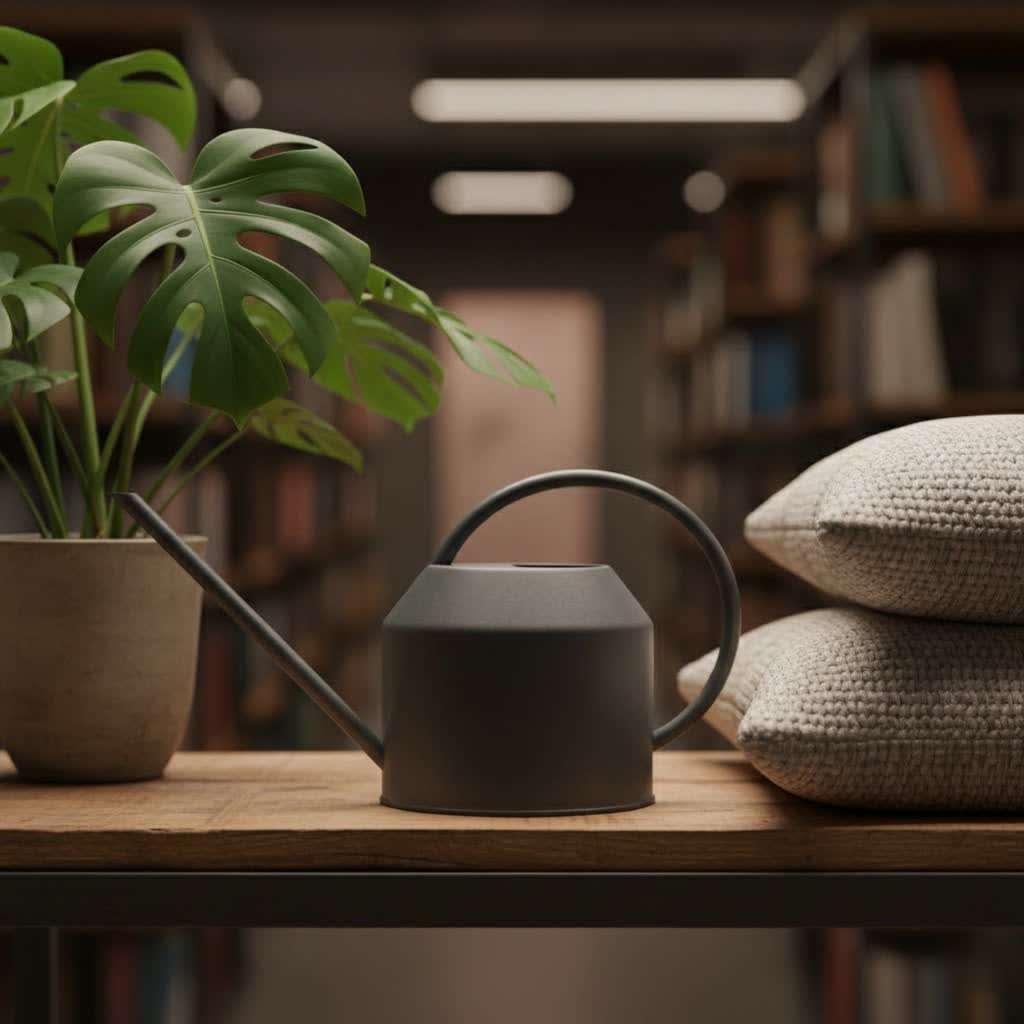
Stepping into the world of indoor gardening brings with it a unique joy, but also a need for specialized tools. Among these, the humble mini watering can for indoor plants stands out as an indispensable companion. If you’ve ever wrestled with an oversized watering can, spilled water on your pristine floors, or struggled to hydrate a delicate succulent, you know the frustration. This comprehensive guide is crafted to help you navigate the myriad options, ensuring you pick a watering can that’s not just functional, but a true ally in nurturing your beloved houseplants.
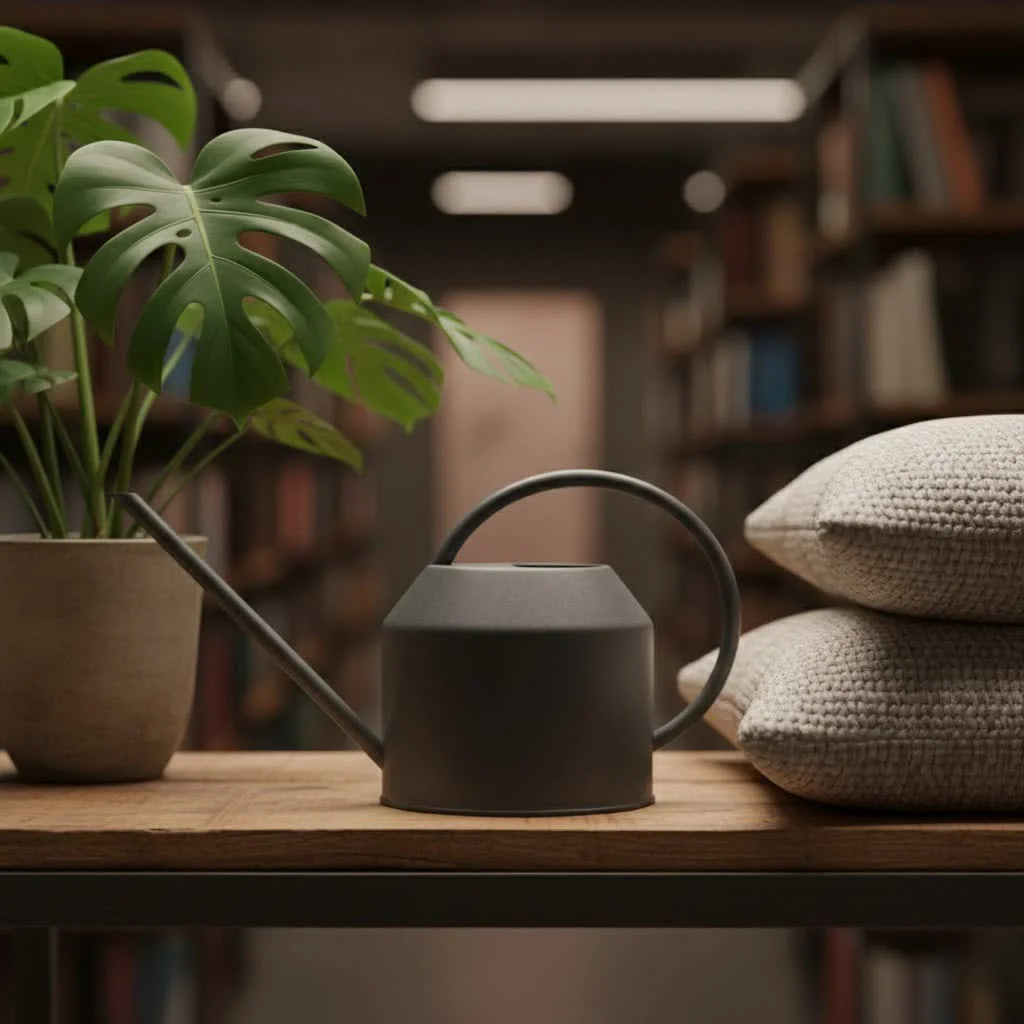
Understanding Different Types of Mini Watering Cans for Indoor Plants
Choosing the right mini watering can often starts with its material. Each type offers distinct benefits and drawbacks tailored to various plant care routines and aesthetic preferences.
Plastic Mini Watering Cans
Plastic mini watering cans are a popular choice due to their practicality and affordability.
- Advantages: They are typically lightweight and easy to maneuver, making them ideal for daily use. Plastic is also less prone to rust and comes in a wide array of colors and designs, offering versatile aesthetic options for any home decor. Many modern plastic cans are made from durable, BPA-free materials that can withstand regular use.
- Disadvantages: While convenient, plastic can be less durable than metal, potentially cracking or breaking if mishandled. Cheaper plastics may also fade in color or degrade over time, especially if exposed to direct sunlight.
Metal Mini Watering Cans
Metal mini watering cans bring a touch of classic elegance and robust durability to indoor plant care.
- Advantages: Metal cans, often made from galvanized steel, stainless steel, copper, or brass, are renowned for their exceptional durability and sturdy construction. They often boast a more aesthetic or vintage appeal, doubling as decorative pieces. Stainless steel offers a sleek, minimalist look, while copper and brass can even possess antiseptic properties beneficial for plant health.
- Disadvantages: A primary drawback is their heavier weight, especially when full, which might make extended watering sessions more tiring. Without proper care, many metal cans can be susceptible to rust, particularly at seams or if left with water inside. They also tend to be more expensive than their plastic counterparts.
Ceramic Mini Watering Cans
For those prioritizing visual appeal, ceramic mini watering cans offer an artistic touch.
- Advantages: Ceramic cans are highly aesthetic, often functioning as decorative art pieces that seamlessly blend with sophisticated interior designs. They can be a beautiful accent on a shelf or windowsill.
- Disadvantages: Their main downsides include fragility, as they are prone to breaking if dropped, and a higher price point. Ceramic cans are generally heavier than plastic and best suited for occasional use rather than heavy-duty watering.
Comparing Popular Mini Watering Can Types
| Feature | Plastic | Metal | Ceramic |
|---|---|---|---|
| Durability | Moderate (can crack) | High (can rust) | Low (fragile) |
| Cost | Low | Moderate to High | High |
| Weight | Lightweight | Heavy | Moderate to Heavy |
| Aesthetics | Versatile, modern | Classic, vintage, sleek | Artistic, decorative |
| Maintenance | Easy to clean | Requires rust prevention | Hand wash, delicate |
Optimal Capacity for Your Indoor Mini Watering Can
The ideal capacity for a mini watering can for indoor plants depends significantly on the size and number of your plants. For most indoor gardeners, precision and ease of handling are key.
- Small (Under 0.5 Liters / 1 Pint): Perfect for succulents, air plants, terrariums, or small seedlings that require minimal water and extreme precision. These are incredibly easy to maneuver and store.
- Medium (0.5 to 1.5 Liters / 1 to 3 Pints): This is the sweet spot for many indoor plant enthusiasts. It’s ideal for watering a small collection of houseplants, such as ferns, pothos, or peace lilies, without constant refilling. It offers a good balance of capacity and manageability.
- Large (Above 1.5 Liters / 3 Pints): While still considered “mini” compared to outdoor cans, these larger capacities are suitable for those with a more extensive indoor plant collection or larger individual potted plants, reducing the need for multiple trips to the sink.
Essential Tips for Choosing a Quality Mini Watering Can
Selecting the right mini watering can goes beyond just material and size; specific design features can dramatically enhance your watering experience.
- Material Quality: Opt for durable materials. For plastic, look for BPA-free and UV-resistant options to prevent degradation. For metal, galvanized or stainless steel offers better rust resistance.
- Precision Spout: A long, narrow, or gooseneeneck spout is paramount for indoor plants. This design allows you to direct water precisely to the soil line, avoiding delicate foliage and ensuring water reaches the roots directly, minimizing spills and preventing overwatering. Some cans also come with a detachable rose attachment for a gentler, shower-like flow, beneficial for seedlings.
- Ergonomic Handle: A comfortable, well-designed handle is crucial for control and reducing hand fatigue, especially if you have several plants. Look for rounded grips or dual handles that provide balance when the can is full.
- Balanced Design: A good mini watering can feels balanced both empty and full, preventing accidental spills. Test the feel of the can in your hand before purchasing.
- Easy to Fill: While a narrow spout is great for pouring, a wider opening at the top can make refilling under a faucet much easier, preventing splashes and spills at the source.
- Aesthetic Appeal: Since your mini watering can will likely be visible in your living space, choose a design and color that complements your home decor and personal style.
Caring for Your Mini Watering Can: Usage and Maintenance
Proper care ensures the longevity of your mini watering can and maintains its performance.
- Use Correctly: Always aim the spout directly at the soil, especially with a long-spouted can, to avoid wetting the leaves of susceptible plants. If your can has a removable rose, use it for seedlings or delicate plants that prefer a gentler shower.
- Regular Cleaning: After each use, empty any remaining water. Rinse the can thoroughly with clean water to remove soil, mineral deposits, or fertilizer residue. For a deeper clean, use mild soap and a soft brush to scrub the interior and exterior surfaces, paying attention to the spout.
- Thorough Drying: This is crucial, particularly for metal cans. After rinsing, dry the can completely to prevent rust or corrosion. Inverting it to air dry can help. For hard-to-reach areas, a soft cloth can be useful.
- Proper Storage: Store your watering can in a dry place away from direct sunlight and extreme temperatures. This prevents material degradation in plastic cans and rust in metal ones.
- Avoid Harsh Chemicals: When cleaning, stick to mild detergents or natural solutions like a vinegar and water mix. Harsh chemicals or abrasive cleaners can damage the can’s finish or material.
- Rinse After Fertilizing: If you use liquid fertilizers, make sure to rinse metal watering cans particularly well afterward, as acidic or salty residues can accelerate rust.
“A well-chosen mini watering can isn’t just a tool; it’s an extension of your care for your plants, making the act of watering a precise and joyful ritual.” – ReviewAgile.com Admin
Top Considerations for Buying Your Next Mini Watering Can
With so many options available, here’s a simplified approach to finding your perfect mini watering can:
- Assess Your Needs: How many plants do you have? What sizes are they? Do you need ultimate precision, or is aesthetic equally important?
- Research Product Information: Read descriptions and features carefully. Look for mentions of spout design, material specifics (e.g., BPA-free plastic, galvanized steel), and handle ergonomics.
- Compare Value: Balance price with expected durability and features. Sometimes, investing a little more for a quality can pays off in the long run.
- Read User Reviews: Gain insights from other indoor gardeners about the can’s real-world performance, ease of use, and any potential drawbacks.
- Purchase from Reputable Sources: Buy from trusted retailers to ensure product quality and reliable customer service.
Frequently Asked Questions
Should I choose a plastic or metal mini watering can for indoor plants?
|
Our Picks for the Best Watering Can in 2026
As an Amazon Associate I earn from qualifying purchases.
|
||
| Num | Product | Action |
|---|---|---|
| 1 | Plant Watering Can,35oz Metal Watering Can,Stainless Steel Indoor Plants with Long Curved Spout,Small Bonsai Outdoor Garden Modern Decorative(Black) |

|
| 2 | Indoor Plants Watering Can for Indoor Plants Long Probe Soil Moisture Meter Long Spout 47 oz Watering Cans Water Monitor Indicator for Pot Flower House Gardening Farming |
|
| 3 | 350ml Small Watering Can for Indoor Plants, 12oz Mini Plant Watering Pot with Long Spout and Handle, Black Tiny Stainless Steel Watering-Can for Outdoor Indoor Plants Flower Garden |
|
| 4 | 2 Gallon Watering Can, Garden Watering Can Outdoor, Plant Water Can with Removable Long Spout and Stainless Steel Sprinkler Head, Large Plastic Outdoor Watering Cans for Gardening Flower Plants |
|
| 5 | Watering Can for Indoor Plants, 35 oz/1000 ml Metal Stainless Steel Pot with Long Spout for House Plants Bonsai Outdoor Garden Flower Decorative (Black) |
|
| 6 | Watering Can for Indoor and Outdoor Plants - Long Spout Water Can for Garden, Flower, House Plants - 1.8L/1/2 Gallon (Green) |
|
| 7 | Watering Can for Indoor Outdoor Plants, Modern Small Watering Cans with Removable Nozzle, Long Spout Watering Can for Indoor Bonsai Plants Garden Flowers 1/2 Gallon 1.8L 60OZ (Dark Green) |
|
| 8 | Long Spout Watering Can Indoor, Small Watering Cans for House Plants, Flowers, Succulents 33.8oz(Green) |
|
| 9 | 2 Gallon Watering Can, Outdoor Watering Can for Plants, Garden Water Can with Removable Long Spout and Stainless Steel Sprinkler Head, Large Water Can for Greenhouse (Dark Blue, 2 Gallon) |
|
| 10 | Small Watering Can for Indoor Plants, Mini Indoor Watering Can with Long Spout and Handle 12 Oz / 350 ml Rust-Proof 304 Stainless Steel Material |
|
The choice between plastic and metal depends on your priorities. Plastic is lightweight, affordable, and rust-resistant, making it excellent for ease of use and a variety of aesthetic choices. Metal, particularly stainless or galvanized steel, offers superior durability and a more classic, decorative appeal, though it can be heavier and may require more diligent cleaning to prevent rust. For delicate indoor plants and precise watering, both can be effective if they feature a long, narrow spout.
What is the best capacity for a mini watering can for indoor plants?
For most indoor plants, a mini watering can with a capacity of 0.5 to 1.5 liters (1 to 3 pints) is ideal. This size strikes a perfect balance between being small enough for easy handling and precise watering, yet large enough to water several plants without frequent refills. Smaller capacities (under 0.5 liters) are best for succulents or very small plants.
Why is a long, narrow spout important for indoor plant watering?
A long, narrow, or gooseneck spout is crucial for indoor plant watering because it allows for precise water delivery directly to the soil, without splashing water onto leaves or surrounding surfaces. This precision helps prevent leaf spot diseases, ensures water reaches the root zone efficiently, and minimizes mess, which is particularly important for plants in tight spaces or on shelves.
How often should I clean my mini watering can?
It’s recommended to rinse your mini watering can after each use to prevent the buildup of mineral deposits, fertilizer residues, or algae. A more thorough cleaning with mild soap and water should be done monthly or as needed, especially if you notice any discoloration or residue forming inside the can or clogging the spout. This routine maintenance ensures hygiene and prolongs the life of your watering can.
Can I leave water in my mini metal watering can?
It is not recommended to leave water in a mini metal watering can for extended periods. Stagnant water, especially if it contains mineral deposits or fertilizer, can accelerate rust and corrosion in metal cans. Always empty and thoroughly dry your metal watering can after each use to maintain its pristine condition and prevent damage.
Get our weekly buyer guide
Practical specs, not advice. Unsubscribe anytime.
