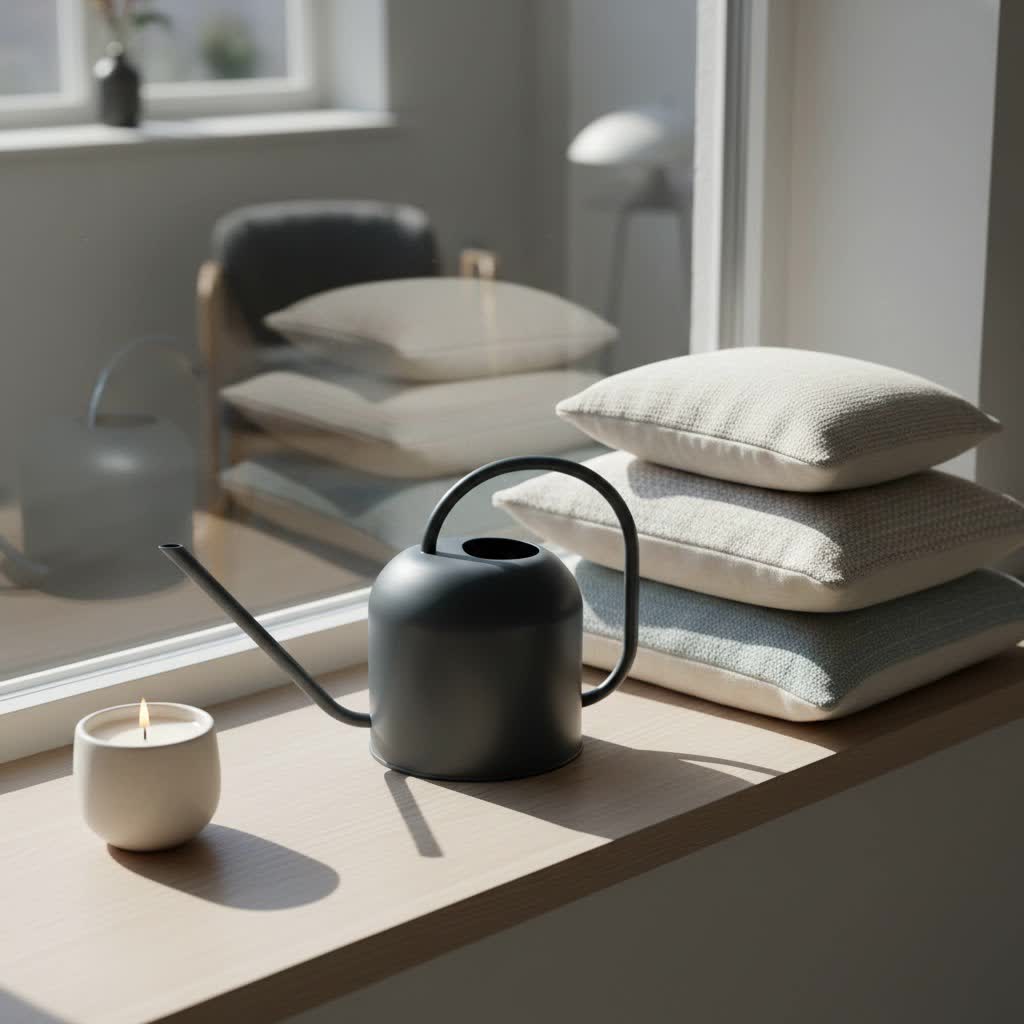
Gardening, whether a sprawling outdoor oasis or a cozy indoor jungle, brings immense joy and tranquility. But even the most seasoned green thumb knows that the right tools make all the difference. Among the essential equipment, the humble watering can stands supreme. Yet, for many, choosing the perfect watering can can be a surprising challenge. With over a decade of personal experience cultivating thriving gardens and testing countless watering tools, I understand these common dilemmas. This guide is crafted not just to inform, but to equip you with the practical wisdom needed to select a watering can with a sprayer that truly becomes your trusted gardening companion.
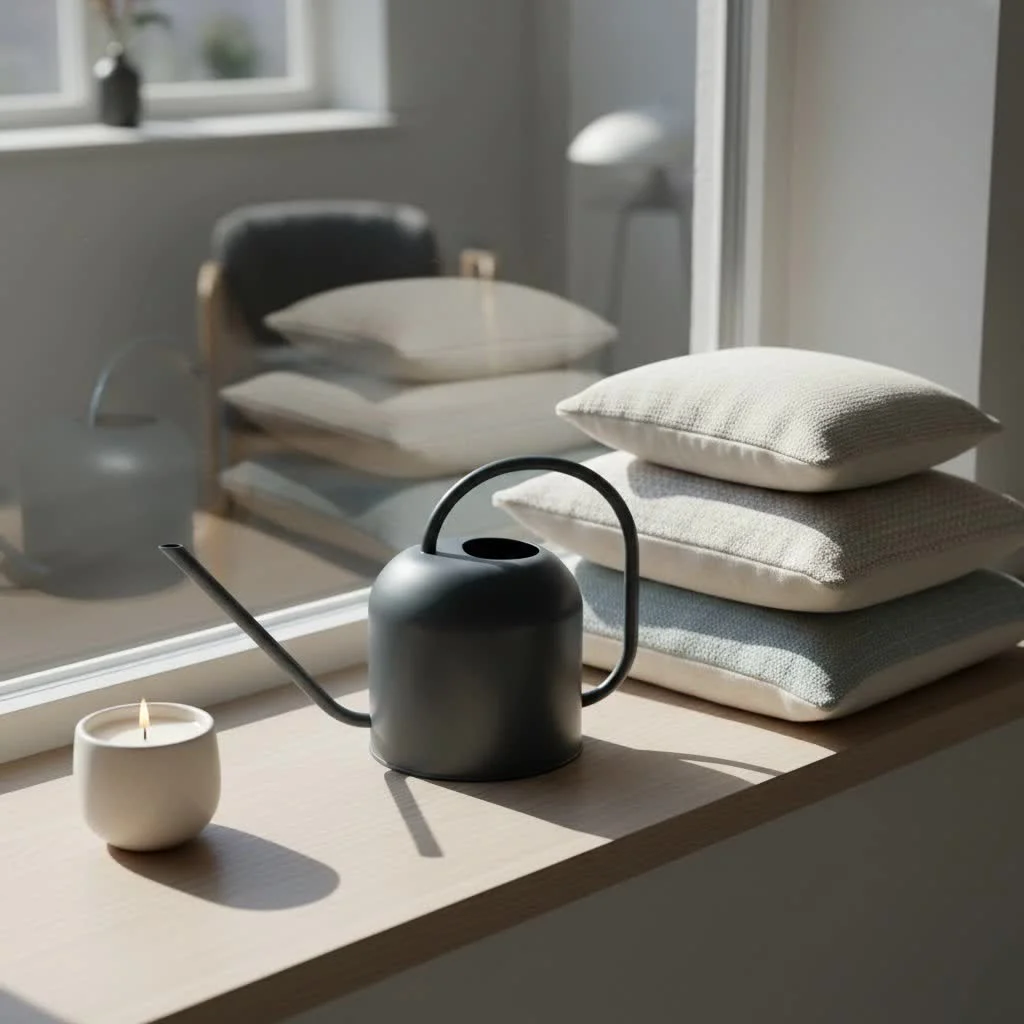
Understanding the Versatility of a Watering Can with Sprayer
More Than Just a Sprinkler: Dual Functionality Explained
Modern gardening often demands versatility, and a watering can with a sprayer embodies this perfectly. This innovative tool cleverly combines the steady pour of a traditional watering can with the fine misting capability of a spray bottle. Imagine tending to delicate seedlings needing a gentle shower, then immediately switching to a robust stream for a thirsty potted tree, all without swapping tools. This dual-function design, often featuring a spray nozzle conveniently located opposite the pouring spout, allows for seamless transitions between watering methods with just a simple flip.
Key Benefits for Healthy Plants and Happy Gardeners
The advantages of integrating a sprayer into your watering can are numerous, leading to healthier plants and a more enjoyable gardening experience. Firstly, it offers unparalleled versatility, providing both a gentle mist for fragile plants and a targeted stream for established ones. This means you can cater to the unique needs of every plant in your collection. Secondly, it ensures accurate watering, directing moisture precisely to the root zone, which significantly reduces water waste from runoff and evaporation. This precision also prevents the common pitfalls of overwatering or underwatering, crucial for robust plant health.
Misting capabilities are particularly gentle on delicate plants, mimicking natural rainfall and protecting tender foliage from being crushed or washed away. Furthermore, the convenience of a 2-in-1 tool saves time and effort, streamlining your watering routine by eliminating the need to juggle multiple instruments. Many models also boast ergonomic designs, ensuring a comfortable grip and minimizing strain during prolonged use. This thoughtful combination of features makes the watering can with a sprayer an indispensable asset for any gardener aiming for efficiency and plant vitality.
Types of Watering Cans with Sprayer: Materials and Designs
The market offers a diverse range of watering cans with sprayers, each varying in material, capacity, and design features. Understanding these distinctions is key to finding the ideal match for your gardening style.
Plastic Watering Cans: Lightweight and Practical
|
Our Picks for the Best Watering Can in 2026
As an Amazon Associate I earn from qualifying purchases.
|
||
| Num | Product | Action |
|---|---|---|
| 1 | Watering Can for Indoor Plants, 35 oz/1000 ml Metal Stainless Steel Pot with Long Spout for House Plants Bonsai Outdoor Garden Flower Decorative (Black) |

|
| 2 | 2 Gallon Watering Can, Outdoor Watering Can for Plants, Garden Water Can with Removable Long Spout and Stainless Steel Sprinkler Head, Large Water Can for Greenhouse (Dark Blue, 2 Gallon) |
|
| 3 | Plant Watering Can,35oz Metal Watering Can,Stainless Steel Indoor Plants with Long Curved Spout,Small Bonsai Outdoor Garden Modern Decorative(Black) |
|
| 4 | Long Spout Watering Can Indoor, Small Watering Cans for House Plants, Flowers, Succulents 33.8oz(Green) |
|
| 5 | 2 Gallon Watering Can, Garden Watering Can Outdoor, Plant Water Can with Removable Long Spout and Stainless Steel Sprinkler Head, Large Plastic Outdoor Watering Cans for Gardening Flower Plants |
|
| 6 | Watering Can for Indoor Outdoor Plants, Modern Small Watering Cans with Removable Nozzle, Long Spout Watering Can for Indoor Bonsai Plants Garden Flowers 1/2 Gallon 1.8L 60OZ (Dark Green) |
|
| 7 | Small Watering Can for Indoor Plants, Mini Indoor Watering Can with Long Spout and Handle 12 Oz / 350 ml Rust-Proof 304 Stainless Steel Material |
|
| 8 | 350ml Small Watering Can for Indoor Plants, 12oz Mini Plant Watering Pot with Long Spout and Handle, Black Tiny Stainless Steel Watering-Can for Outdoor Indoor Plants Flower Garden |
|
| 9 | Indoor Plants Watering Can for Indoor Plants Long Probe Soil Moisture Meter Long Spout 47 oz Watering Cans Water Monitor Indicator for Pot Flower House Gardening Farming |
|
| 10 | Watering Can for Indoor and Outdoor Plants - Long Spout Water Can for Garden, Flower, House Plants - 1.8L/1/2 Gallon (Green) |
|
- Advantages: Plastic watering cans are typically the most lightweight and affordable option, making them easy to carry, especially when full. They are durable, resistant to rust, and often come in a vibrant array of colors and shapes, adding a decorative touch to your garden space. Many are also UV-stabilized, preventing fading and degradation from sun exposure.
- Disadvantages: While durable, they may not offer the same longevity as high-quality metal alternatives and can sometimes feel less premium.
Metal Watering Cans: Durable and Stylish
- Advantages: Metal watering cans, often made from galvanized steel or copper, offer superior durability and a classic, elegant aesthetic. They are less prone to cracking than plastic and can withstand rougher conditions, making them a long-lasting investment. The sturdy construction provides a robust feel during use.
- Disadvantages: They are generally heavier than plastic cans, especially when filled, which can be a consideration for those with mobility concerns. Metal cans, particularly non-galvanized types, can also be susceptible to rust if not properly maintained and stored.
Other Materials: Ceramic for Aesthetics
- Advantages: Ceramic watering cans are primarily chosen for their high aesthetic appeal, serving as beautiful decorative pieces indoors. They can elevate the look of any room with their unique designs and finishes.
- Disadvantages: Ceramic is notably fragile and heavy, making these cans less practical for frequent or outdoor use. They are prone to breaking if dropped and are best reserved for light indoor watering or as ornamental items.
Spout and Sprayer Designs: From Gentle Mist to Targeted Stream
The effectiveness of a watering can with a sprayer largely depends on its nozzle and spout configuration:
- Rose Attachment/Sprinkler Head: This common feature provides a gentle, rain-like spray, perfect for delicate seedlings, young plants, or when watering a broad area without disturbing the soil. Many models include a removable rose, allowing you to switch to a steady stream.
- Long Spout: A long, narrow spout is crucial for precision watering, enabling you to reach deep into hanging baskets, behind dense foliage, or into the base of plants without wetting the leaves. Curved long spouts offer even greater maneuverability for indoor plants.
- Adjustable Sprayer: The integrated sprayer component often features an adjustable nozzle, allowing you to fine-tune the spray from a fine mist (ideal for humidity-loving plants like ferns) to a more direct stream for specific spot treatment or applying foliar feeds.
Handle Ergonomics: Comfort in Every Pour
A comfortable and well-balanced handle is paramount for a pleasant watering experience. Look for designs that allow for easy pouring from different angles. Many larger cans feature dual-handle designs – one for carrying and one for tilting – which significantly improves balance and reduces wrist strain, especially when the can is full. For smaller, indoor cans, a single, ergonomically shaped handle that fits comfortably in your hand is essential.
Choosing the Right Watering Can with Sprayer for Your Needs
Selecting the perfect watering can with a sprayer involves a thoughtful consideration of several factors, ensuring it aligns with your gardening habits and plant collection.
Matching Capacity to Your Garden Size
The capacity of your watering can is a crucial decision. For small indoor plants or a few balcony pots, a compact can (under 1-2 liters or 0.25-0.5 gallons) is ideal, being lightweight and easy to maneuver. For small to medium gardens or numerous potted plants, a mid-sized can (1-3 liters or 0.25-0.8 gallons) strikes a good balance between manageable weight and fewer refills. If you have a large garden or extensive outdoor beds, opt for a larger capacity (over 3 liters or 0.8 gallons) to minimize trips to the water source, but remember that a full can can be heavy.
Considering Material Durability and Aesthetics
Your choice of material impacts both the longevity and visual appeal of your watering can. Plastic cans are excellent for those prioritizing lightness, affordability, and a wide range of colors. They are durable and rust-proof, often made from UV-stabilized plastic to prevent degradation. Metal cans (galvanized steel or copper) offer superior durability and a timeless, elegant look. They are heavier but can be a stylish, long-lasting addition to your garden tools. Ceramic options are best reserved for decorative purposes or very light indoor use due to their weight and fragility.
Spout and Sprayer Adaptability: Essential for Diverse Plants
The functionality of the spout and sprayer attachments is vital. A removable rose attachment is a must-have if you grow delicate seedlings or plants that prefer a gentle shower. For plants with dense foliage or hanging baskets, a long, slender spout allows for precise watering at the soil level without wetting the leaves. The sprayer itself should ideally have an adjustable nozzle to switch between a fine mist for humidity-loving plants and a more direct spray for targeted application of water or foliar treatments.
Importance of a Comfortable Handle and Balanced Design
A watering can should feel natural and comfortable in your hands. Look for ergonomic handles that provide a secure grip, especially when the can is full. For larger capacities, a dual-handle design (one for carrying, one for pouring) greatly enhances balance and reduces strain. Test the can’s balance when empty to get a sense of how it will feel once filled. A well-balanced can prevents awkward tipping and spills.
Leak-Free Construction: A Sign of Quality
Nothing is more frustrating than a leaky watering can. Inspect the construction for any seams or weak points that could lead to drips. Many high-quality plastic cans are made from a single mold, reducing the risk of leaks. For cans with detachable spouts or sprayers, ensure the connections are secure and tight to prevent unwanted dribbling. Investing in a quality can from a reputable brand often guarantees better construction and leak resistance.
How to Effectively Use and Maintain Your Watering Can with Sprayer
Mastering the use and care of your watering can with sprayer will not only extend its life but also ensure your plants receive optimal hydration.
Best Practices for Watering with Precision
Using your watering can with a sprayer effectively involves more than just pouring water. For most plants, especially those in pots, aim to water directly at the soil line rather than over the foliage. This encourages deeper root growth and reduces the risk of fungal diseases. When using the pouring spout, apply water slowly and evenly, allowing it to soak into the soil rather than running off. For larger pots, a spiral pattern around the base helps saturate the soil uniformly. When switching to the spray function, ensure the nozzle setting is appropriate for the plant’s needs.
Misting Techniques for Delicate Foliage
The spray function is invaluable for plants that appreciate high humidity, such as ferns, orchids, or air plants. Use a fine mist setting to gently humidify the leaves, simulating dew. Misting is also excellent for hydrating new seedlings, as a gentle spray will not disturb their fragile roots or soil. Hold the sprayer a few inches away from the plant and mist until a light sheen of moisture is visible on the leaves, avoiding over-saturation.
Cleaning and Storage for Longevity
Proper maintenance ensures your watering can remains a reliable tool for years. After each use, it’s wise to empty any remaining water to prevent stagnant water buildup, which can lead to algae growth or mineral deposits. Rinse the can thoroughly with clean water, especially if you’ve used it for fertilizers or pest control solutions. For metal cans, ensuring they are completely dry before storage can help prevent rust. Store your watering can in a dry, shaded area, away from direct sunlight, particularly for plastic models to prevent material degradation and fading.
Troubleshooting Common Issues
- Clogged Sprayer/Spout: If your sprayer or spout isn’t flowing properly, it’s likely clogged. Detach any removable parts (like the rose or sprayer head) and rinse them thoroughly. A small brush or pin can help dislodge stubborn debris.
- Leaks: Check all seams and connection points. If a spout or sprayer attachment is removable, ensure it’s tightly secured. Minor cracks in plastic cans might be temporarily repaired with waterproof sealant, but severe damage usually necessitates replacement.
- Algae Buildup: Regular cleaning with warm, soapy water and a brush can prevent algae. For persistent algae, a diluted bleach solution (rinse thoroughly afterward!) or vinegar can be effective.
Popular Watering Can with Sprayer Options: Features to Consider
While specific product recommendations are dynamic, understanding the features found in highly-regarded watering cans with sprayers will guide your purchase.
Compact Indoor 2-in-1 Sprayer
- Features: Often made of lightweight plastic or sleek stainless steel. Typically holds 0.5 to 1 liter. Features a long, thin pouring spout for precise watering of houseplants and a separate, fine mist sprayer for delicate foliage.
- Best For: Apartment dwellers, small plant collections, delicate orchids, and succulents.
Durable Outdoor Sprinkler Can
- Features: Larger capacity (2-5 gallons), usually made from robust, UV-resistant plastic or galvanized metal. Includes a wide pouring spout, often with a detachable rose for a gentle shower, and a built-in trigger sprayer for targeted applications or larger misting needs.
- Best For: Patio gardens, raised beds, larger outdoor plants, and general garden maintenance.
Ergonomic Dual-Handle Watering Can with Adjustable Spray
- Features: Designed with comfort in mind, featuring two handles for balanced carrying and pouring, even when full. Typically plastic, with capacities ranging from 1 to 3 gallons. The sprayer often has an adjustable nozzle for multiple spray patterns.
- Best For: Gardeners seeking maximum comfort, those with extensive plant collections, or individuals who prioritize ease of use.
Decorative Metal Watering Can with Mister
- Features: Crafted from attractive metals like copper or powder-coated steel, offering a vintage or modern aesthetic. Might have a slightly smaller capacity (1-2 liters) and an elegant long spout, paired with an integrated, often subtle, misting pump.
- Best For: Display, gifting, combining functionality with garden décor, indoor plants in stylish settings.
Value-Oriented All-Purpose Sprayer Can
- Features: Typically made from sturdy plastic, offering a good balance of capacity (1-2 gallons) and features at an accessible price point. May have a simple pouring spout with a fixed or removable rose, and a basic trigger sprayer.
- Best For: Beginners, budget-conscious gardeners, general watering tasks for a mixed collection of indoor and outdoor plants.
Bảng So Sánh Các Loại Bình Tưới Cây Với Vòi Xịt (Comparison Table: Watering Cans with Sprayer)
| Product Type | Capacity (Approx.) | Material | Price Range | Key Advantages | Potential Disadvantages |
|---|---|---|---|---|---|
| Compact Indoor 2-in-1 | 0.5 – 1 Liter | Plastic/Stainless Steel | Low – Medium | Precise pour, fine mist, lightweight, aesthetic | Small capacity, may need frequent refills for many plants |
| Durable Outdoor Sprinkler | 2 – 5 Gallons | Plastic/Galvanized Metal | Medium – High | Large capacity, robust, versatile outdoor use | Heavy when full, less precise for tiny indoor plants |
| Ergonomic Dual-Handle | 1 – 3 Gallons | Plastic | Medium | Excellent balance, comfortable for heavy loads | Can be bulky for very small spaces |
| Decorative Metal Mister | 1 – 2 Liters | Copper/Powder-coated Metal | High | Highly aesthetic, durable, unique style | Heavier than plastic, often higher cost |
| Value All-Purpose Sprayer | 1 – 2 Gallons | Plastic | Low | Cost-effective, good basic functionality | Fewer advanced features, less premium feel |
Hướng Dẫn Mua Bình Tưới Cây (Buying Guide for Watering Cans with Sprayers)
Choosing the right watering can with a sprayer involves a systematic approach to ensure you get a tool that genuinely enhances your gardening efforts.
- Determine Your Needs: Start by assessing your garden. Do you have mostly indoor plants, a large outdoor garden, or a mix? How many plants do you have? Are they delicate seedlings or robust shrubs? This will guide your capacity and spout choices.
- Research Product Information: Look into different models and read product descriptions carefully. Pay attention to the material, stated capacity, spout types (rose, long spout), and sprayer features (adjustable mist).
- Compare Prices and Quality: While budget is a factor, don’t compromise too much on quality. A slightly more expensive, well-constructed can will last longer and perform better than a cheap one prone to leaks or breakage. Compare features against price to find the best value.
- Read User Reviews: Customer feedback offers invaluable real-world insights into a product’s performance, durability, and common issues. Look for comments on ease of use, leak-resistance, and handle comfort.
- Purchase from Reputable Retailers: Buy from trusted gardening stores, reputable online vendors, or brands known for quality garden tools. This ensures product authenticity and better customer service if issues arise.
“A good watering can isn’t just about holding water; it’s about delivering life with precision and care, making every drop count.” – ReviewAgile.com Gardening Expert
Kết Luận (Conclusion)
The journey to finding the ideal watering can with a sprayer is an investment in your gardening success and personal enjoyment. By understanding the diverse types, considering the crucial features like material, capacity, and spout design, and choosing a model that aligns with your specific needs, you empower yourself to nurture your plants with unparalleled precision and care. A well-chosen watering can with a sprayer not only simplifies your watering routine but also contributes significantly to the health and vitality of your green companions, ensuring they flourish under your dedicated touch. This versatile tool is more than just a container for water; it’s an extension of your gardening passion, a silent partner in cultivating beauty and growth.
What kind of watering challenges are you hoping to solve with your next watering can with sprayer?
Câu Hỏi Thường Gặp (Frequently Asked Questions)
What size watering can with sprayer is best for indoor plants?
For most indoor plants, a watering can with a sprayer in the 0.5 to 1.5-liter (approximately 0.1 to 0.4-gallon) range is ideal. This size is lightweight, easy to handle for precise watering around delicate pots, and typically includes a long, slender spout for reaching tight spaces and a fine mist sprayer for humidity-loving foliage without over-saturating the soil.
Can I use a watering can with sprayer for applying fertilizer?
Yes, many watering cans with sprayers are suitable for applying liquid fertilizers, especially those designed for foliar feeding or for direct application to the soil. Ensure the can’s material is compatible with the fertilizer (plastic is generally safe for most), and always clean the can thoroughly after each use to prevent residue buildup and potential damage to plants from leftover chemicals.
How do I prevent my watering can with sprayer from leaking?
To prevent leaks, choose a watering can made from a single, seamless mold if possible, especially for plastic models. For cans with detachable spouts or sprayer heads, ensure all connections are tightly screwed or secured. Regularly check for cracks or damage, and always store the can empty and clean to prevent material degradation that could lead to leaks over time.
Is a plastic or metal watering can with sprayer better?
Neither is definitively “better”; it depends on your priorities. Plastic watering cans are lighter, more affordable, and rust-proof, making them practical and easy to handle. Metal watering cans (like galvanized steel or copper) offer superior durability, a more elegant aesthetic, and a robust feel, but they are heavier and may require more care to prevent rust.
How often should I mist my plants?
The frequency of misting depends on the plant species, humidity levels in your home, and time of year. Tropical plants, ferns, and orchids generally benefit from daily or every-other-day misting. Always check the soil moisture first. Misting is most effective in the morning, allowing leaves to dry before nightfall to prevent fungal issues.
Get our weekly buyer guide
Practical specs, not advice. Unsubscribe anytime.
