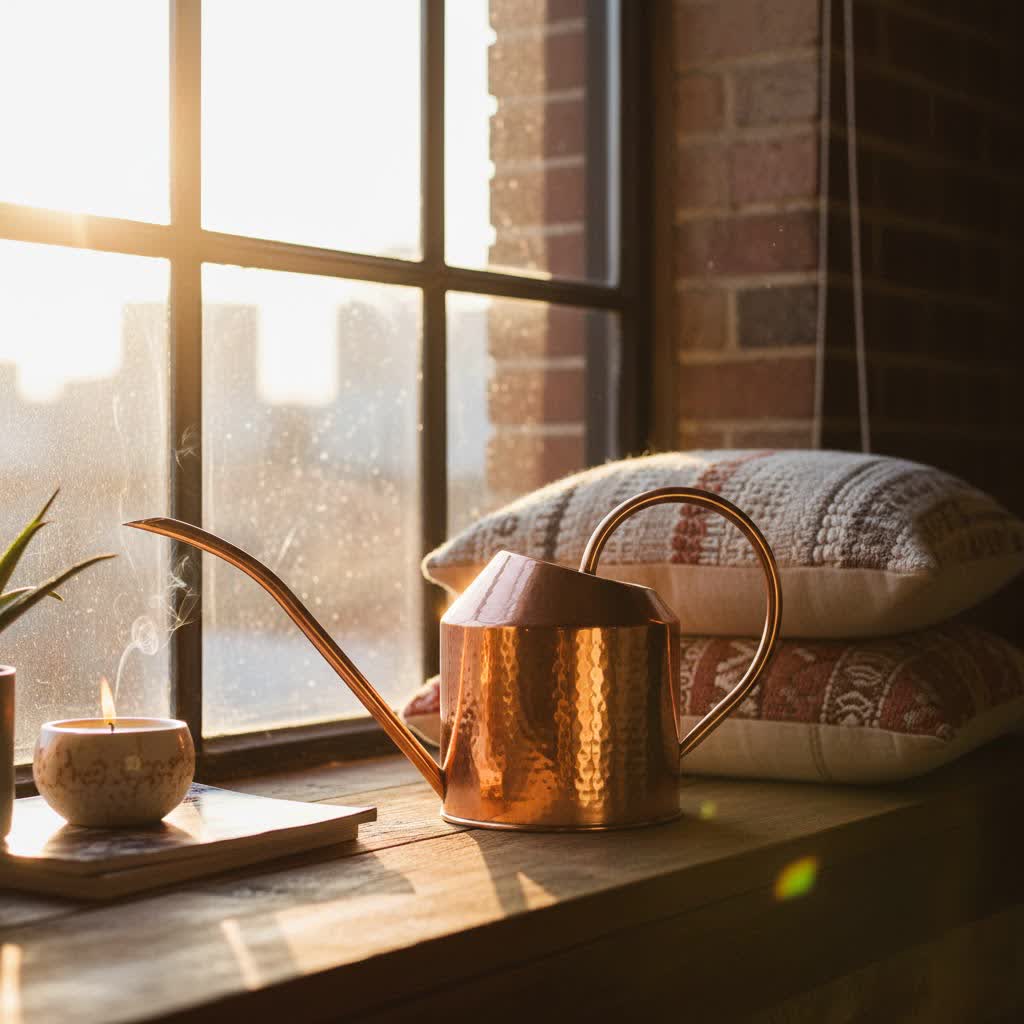
For indoor plant enthusiasts, the joy of nurturing a flourishing green oasis often comes with a subtle challenge: precise and effective watering. It might seem like a simple task, but the right indoor watering can improve your plant care routine from a chore into a delightful ritual, ensuring your beloved houseplants receive the perfect amount of hydration without fuss or mess. Choosing the right watering can is more than just picking a pretty accessory; it’s about investing in a tool that truly supports your plants’ health and simplifies your gardening life.
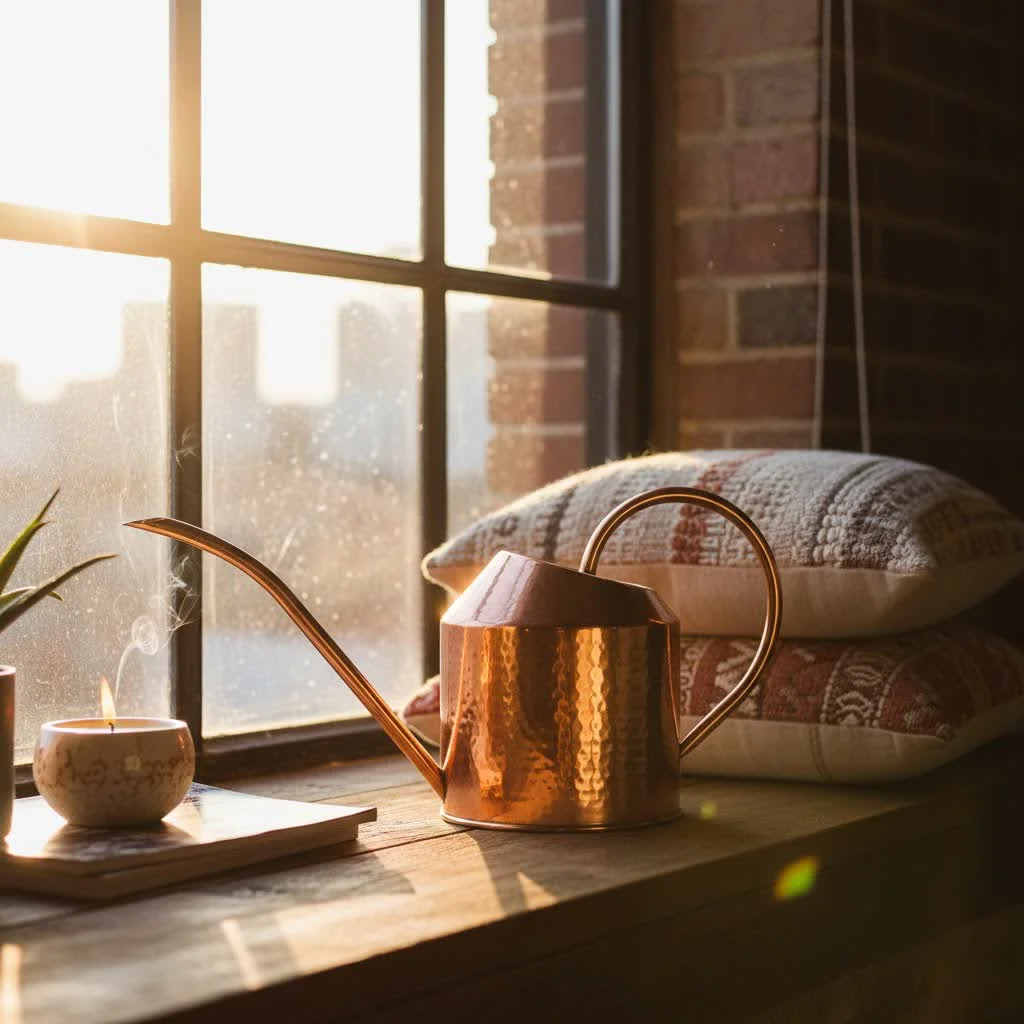
Indoor Watering Can: A Detailed Buying Guide
Selecting the ideal indoor watering can involves more than just impulse. It requires understanding the various options available and how each feature contributes to your plant’s well-being and your convenienceLet’s examine the specifics to help you make an informed decision.
Popular Types of Indoor Watering Cans
Indoor watering cans come in a variety of materials, each offering distinct advantages and aesthetic appeals. Understanding these differences is key to finding your perfect plant care companion.
- Plastic Watering Cans
- Pros: Plastic cans are celebrated for their lightweight nature, making them easy to carry, especially when full. They are generally the most affordable option, widely available, and resistant to rust, a crucial benefit when dealing with water constantly. Their durability is also a plus for everyday use.
- Cons: While practical, plastic cans can sometimes lack the aesthetic appeal of other materials. Over time, prolonged exposure to sunlight can lead to fading or material degradation.
- Metal Watering Cans (Stainless Steel, Copper, Galvanized Steel)
- Pros: Known for their exceptional durability and sturdy construction, metal watering cans are a long-lasting investment. They often boast elegant and timeless designs that can double as decorative pieces in your home. Some metals, like copper or zinc, may even offer antiseptic properties.
- Cons: Metal cans tend to be heavier than plastic, particularly when filled, which can be a consideration for those with many plants or mobility concerns. They can also be more expensive. While durable, certain metals (like iron or steel) require careful maintenance to prevent rust, especially if not thoroughly dried after use.
- Ceramic Watering Cans
- Pros: Ceramic watering cans are primarily chosen for their superior aesthetic value. They often feature artisanal designs and vibrant glazes, making them beautiful decorative items that blend seamlessly with home decor. They offer a unique, earthy charm.
- Cons: The main drawback of ceramic cans is their fragility; they can break easily if dropped. They are also typically heavier than plastic and metal options, and their price point tends to be the highest.
Comparing Various Indoor Watering Can Materials
|
Our Picks for the Best Watering Can in 2026
As an Amazon Associate I earn from qualifying purchases.
|
||
| Num | Product | Action |
|---|---|---|
| 1 | Plant Watering Can,35oz Metal Watering Can,Stainless Steel Indoor Plants with Long Curved Spout,Small Bonsai Outdoor Garden Modern Decorative(Black) |

|
| 2 | Watering Can for Indoor Outdoor Plants, Modern Small Watering Cans with Removable Nozzle, Long Spout Watering Can for Indoor Bonsai Plants Garden Flowers 1/2 Gallon 1.8L 60OZ (Dark Green) |
|
| 3 | Watering Can for Indoor and Outdoor Plants - Long Spout Water Can for Garden, Flower, House Plants - 1.8L/1/2 Gallon (Green) |
|
| 4 | 2 Gallon Watering Can, Garden Watering Can Outdoor, Plant Water Can with Removable Long Spout and Stainless Steel Sprinkler Head, Large Plastic Outdoor Watering Cans for Gardening Flower Plants |
|
| 5 | 2 Gallon Watering Can, Outdoor Watering Can for Plants, Garden Water Can with Removable Long Spout and Stainless Steel Sprinkler Head, Large Water Can for Greenhouse (Dark Blue, 2 Gallon) |
|
| 6 | 350ml Small Watering Can for Indoor Plants, 12oz Mini Plant Watering Pot with Long Spout and Handle, Black Tiny Stainless Steel Watering-Can for Outdoor Indoor Plants Flower Garden |
|
| 7 | Watering Can for Indoor Plants, 35 oz/1000 ml Metal Stainless Steel Pot with Long Spout for House Plants Bonsai Outdoor Garden Flower Decorative (Black) |
|
| 8 | Indoor Plants Watering Can for Indoor Plants Long Probe Soil Moisture Meter Long Spout 47 oz Watering Cans Water Monitor Indicator for Pot Flower House Gardening Farming |
|
| 9 | Small Watering Can for Indoor Plants, Mini Indoor Watering Can with Long Spout and Handle 12 Oz / 350 ml Rust-Proof 304 Stainless Steel Material |
|
| 10 | Long Spout Watering Can Indoor, Small Watering Cans for House Plants, Flowers, Succulents 33.8oz(Green) |
|
When weighing your options, a side-by-side comparison of materials can highlight the most suitable choice for your specific needs.
| Feature | Plastic | Metal | Ceramic |
|---|---|---|---|
| Durability | Good | Excellent | Moderate (Fragile) |
| Price | Low | Medium – High | High |
| Weight | Lightweight | Medium – Heavy | Heavy |
| Aesthetics | Functional | High (Stylish) | Very High (Decorative) |
| Recyclability | Yes (check local) | Yes (check local) | No |
Indoor Watering Can Capacity: Choosing the Right Size
The size of your indoor watering can is directly related to the number and size of your plants. Matching capacity to your needs ensures efficient watering without constant refills or unnecessary bulk.
- Small Watering Cans (Under 1 Liter or 2 Pints): Ideal for a few small houseplants, succulents, or seedlings. Their compact size makes them easy to maneuver into tight spaces and offers precise control over water flow, preventing overwatering delicate plants.
- Medium Watering Cans (1-3 Liters or 0.25-0.75 Gallons): This capacity strikes an excellent balance for most indoor gardeners, suitable for a moderate collection of small to medium-sized plants. It provides enough water for a round of watering without becoming overly heavy or requiring too many refills.
- Large Watering Cans (Over 3 Liters or 0.75 Gallons): Best suited for those with an extensive indoor jungle, large potted plants, or if you prefer fewer trips to the tap. While they hold more water, that they can become quite heavy when full, potentially impacting ease of use.
Essential Tips for Choosing a Quality Indoor Watering Can
Beyond material and capacity, several design features can significantly enhance your indoor watering experience. A well-designed can feels like an extension of your hand.
- Material Matters: Opt for durable, non-toxic materials. For metal cans, look for rust-resistant options like stainless steel or galvanized steel. For plastic, seek out sturdy, BPA-free varieties that won’t degrade quickly.
- Spout Design: A long, narrow spout is paramount for indoor plants. It allows for precise watering directly at the soil line, minimizing splashes on foliage (which can lead to fungal issues) and reaching plants nestled among dense leaves. Some cans come with a removable “rose” attachment for a gentle shower, but for most indoor plants, a direct stream is preferred.
- Comfortable Handle: The handle should fit comfortably in your hand, allowing for a steady, controlled pour without straining your wrist, especially when the can is full. Some designs feature dual handles, offering extra stability and balance, which is incredibly helpful for larger capacities.
- Overall Design & Stability: Consider the can’s balance and stability. A wide opening can make filling easier, while a stable base prevents accidental tipping. Choose a design that not only serves its purpose but also complements your home’s aesthetic.
- Reputable Brands: While specific brand recommendations can vary, researching brands known for quality and thoughtful design can guide your decision. Look for those with positive user reviews focusing on durability and functionality.
How to Use and Care for Your Indoor Watering Can
Proper usage and consistent care will extend the life of your watering can and ensure it remains a reliable tool for your plant care routine.
- Use it Wisely: Utilize the precision of your indoor watering can for targeted watering at the base of plants, preventing water from sitting on leaves. It’s also perfect for applying liquid fertilizers gently and evenly to the soil.
- Regular Cleaning: To prevent the buildup of algae, mold, or mineral deposits, rinse your watering can with clean water after each use. A thorough cleaning with mild soap and water once a month will keep it hygienic and free of residues that could harm your plants.
- Avoid Direct Sunlight: Especially for plastic cans, prolonged exposure to direct sunlight can cause the material to degrade, fade, and become brittle. Store your can in a shaded, cool area when not in use.
- Dry Metal Cans: After cleaning, ensure metal watering cans are thoroughly dried, especially in crevices and seams, to prevent rust formation.
- Inspect for Wear: Periodically check your watering can for any cracks, leaks, or signs of wear and tear, especially around the spout and handle. Addressing minor issues promptly can prevent bigger problems down the line.
“A well-chosen watering can is more than just a tool; it’s an investment in the health and beauty of your indoor garden, making every watering session a moment of calm connection with your plants.”
Top Recommended Indoor Watering Cans
Based on common preferences for precision, aesthetics, and functionality, here are a few types of indoor watering cans that frequently earn praise from plant enthusiasts.
- Fasmov 1-Gallon Plastic Watering Can: This model is often lauded for its robust plastic construction, offering excellent durability while remaining lightweight. Its generous one-gallon capacity means fewer refills for those with multiple plants, and its long, slender spout provides precise water delivery, though some users note the filling opening can be small.
- Haws Rowley Ripple Metal Watering Can: A classic choice, the Haws Rowley Ripple is crafted from high-quality metal, featuring a beautifully slender spout designed for delicate, precise indoor watering. Its ergonomic handle ensures comfort, and it often includes a removable brass watering rose for versatility, making it a favorite for both form and function.
- Umbra Quench Stainless Steel Watering Can: For those who appreciate modern design, the Umbra Quench offers a sleek, contemporary look. This lightweight stainless steel can is praised for its ease of carrying and pouring, featuring a unique 360-degree handle that allows for flexible watering angles, perfect for reaching tricky spots.
- Bloem Easy Pour Plastic Watering Can: Designed with user comfort in mind, this plastic watering can often features dual handles—one for carrying and another for pouring—providing superior stability and control, particularly when the can is full. Its thoughtful design aims to make the watering process effortless and mess-free.
Comparing Popular Indoor Watering Can Features
Here’s a comparison of some notable characteristics you might find in popular indoor watering cans:
| Product Type | Capacity | Material | Price Range | Pros | Cons |
|---|---|---|---|---|---|
| Durable Plastic Long Spout | 1 Gallon | Plastic | Low | Lightweight, affordable, rust-resistant, precise spout. | Less aesthetic, may degrade in sun. |
| Classic Metal Design | 2 Pints | Metal (e.g., Galvanized Steel) | Medium-High | Elegant, durable, excellent precision, often decorative. | Heavier, requires rust care, higher cost. |
| Modern Stainless Steel | 1 Liter | Stainless Steel | Medium | Sleek, lightweight for metal, good control, aesthetic. | Smaller capacity, can show water spots. |
| Ergonomic Dual-Handle | 0.5 Gallon | Plastic | Low-Medium | Comfortable, stable pour, good capacity. | Aesthetic may be secondary to function. |
Your Definitive Guide to Buying an Indoor Watering Can
Embarking on the quest for the perfect indoor watering can doesn’t have to be overwhelming. By following a structured approach, you can confidently choose a tool that meets all your needs.
- Define Your Needs: Start by assessing your indoor plant collection. How many plants do you have? What are their sizes? Do you prefer a can that blends in or stands out? This will guide your decisions on capacity, material, and design.
- Research Product Information: Look into various features like spout length, handle ergonomics, and material benefits. Understanding these elements will help you appreciate how a watering can can truly simplify your plant care.
- Compare Value and Quality: Don’t just pick the cheapest or most expensive option. Compare the features, durability, and aesthetics against the price point. A slightly higher investment might mean a significantly longer-lasting and more enjoyable tool.
- Consider User Reviews: While personal experience is key, reading reviews from other indoor gardeners can provide valuable insights into a can’s real-world performance, common issues, and unexpected benefits.
- Purchase from Reputable Retailers: Buy from stores or online platforms known for quality gardening supplies. This ensures you receive a genuine product and have recourse if any issues arise.
Conclusion
The right indoor watering can is more than just a container for water; it’s a fundamental tool that impacts the health of your indoor plants and the enjoyment of your gardening routine. By considering material, capacity, spout design, and handle comfort, you can select a can that offers precision, durability, and aesthetic appeal. Investing a little time in choosing well will reward you with healthier, happier plants and a more streamlined watering process. So, are you ready to improve your indoor gardening with the perfect watering can?
Frequently Asked Questions
Should I choose a plastic or metal indoor watering can?
The choice between plastic and metal depends on your priorities. Plastic cans are generally lighter, more affordable, and rust-resistant, making them excellent for beginners or those seeking practicality. Metal cans, while often heavier and pricier, offer superior durability and a more aesthetic appeal, becoming a lasting piece in your plant care collection.
What is the ideal capacity for an indoor watering can?
For most indoor plant collections, an indoor watering can with a capacity of 1 to 2 liters (approximately 2 to 4 pints) is ideal. This size strikes a perfect balance, providing enough water for several plants without becoming too heavy or requiring constant refills, ensuring comfortable and efficient watering sessions.
Why is a long spout important for an indoor watering can?
A long, narrow spout is crucial for an indoor watering can because it allows for precise water delivery directly to the soil, even in dense foliage or hanging baskets. This precision prevents water from splashing on leaves, which can lead to fungal diseases, and ensures the roots receive the necessary hydration without waste or mess.
Get our weekly buyer guide
Practical specs, not advice. Unsubscribe anytime.
