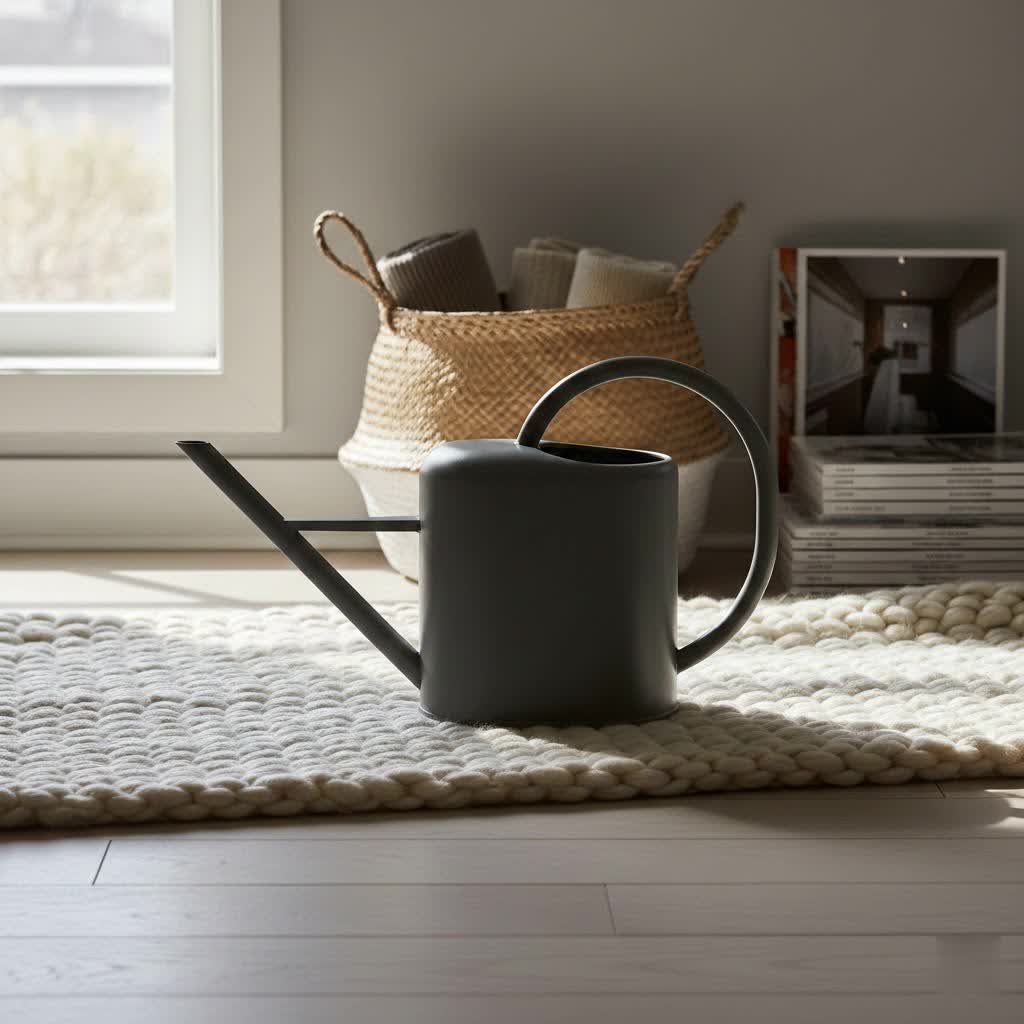
Stepping into the world of indoor gardening often brings a desire for tools that are not just functional but also beautiful. If you’ve ever found yourself admiring a collection of thriving houseplants, you know that the right accessories can elevate the entire experience. Among these, the glass watering can stands out as a sophisticated and highly effective tool, transforming a simple chore into an act of mindful nurturing. This guide delves into everything you need to know about selecting, using, and caring for a glass watering can, ensuring it becomes a cherished companion in your green journey. We’ll explore their unique advantages, compare them to other materials, and share expert tips to help you find your perfect match.
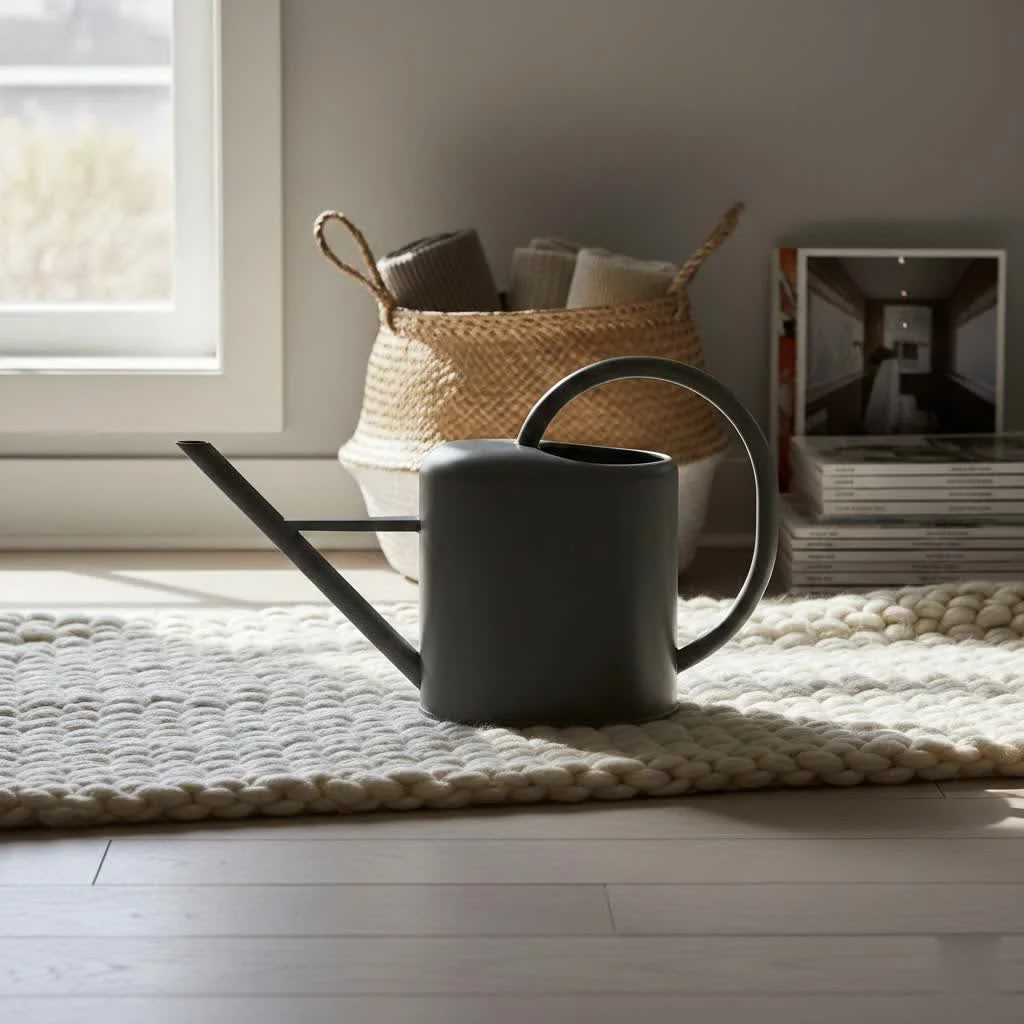
Glass Watering Cans: A Blend of Beauty and Precision
Glass watering cans offer a distinct charm that plastic or metal alternatives often lack. Imagine a clear, sparkling vessel perfectly complementing your indoor greenery, allowing the light to play through the water held within. This aesthetic appeal is a primary draw for many plant enthusiasts, turning a utilitarian object into a decorative piece that seamlessly blends with home decor. For more gardening tools guides on this site.
What makes them truly unique is their blend of form and function, particularly for indoor plants. The transparency allows you to see the water level at a glance, preventing overfilling and ensuring you always know how much is left for your thirsty greens. Many designs feature long, slender spouts, offering unparalleled precision for watering delicate seedlings, small potted plants, or those tucked away in dense foliage. This controlled flow is gentle on soil and roots, minimizing splash and erosion, which is crucial for maintaining a tidy indoor environment and healthy plants.
Pros and Cons of Glass Watering Cans
Like any gardening tool, glass watering cans come with their own set of advantages and disadvantages. Understanding these can help you determine if a glass option is the right fit for your gardening style and needs.
Advantages of Glass Watering Cans
Glass watering cans are celebrated for their aesthetic appeal, instantly adding a touch of elegance and sophistication to any indoor plant display. Their transparency allows you to monitor the water level effortlessly, ensuring you never accidentally overfill or run out mid-watering session. Made from non-porous material, glass naturally resists mold and mildew buildup, making them more hygienic and easier to clean than some other materials. Many glass designs feature long, narrow spouts, which are ideal for precise watering, reaching into tight spaces without disturbing delicate leaves or soil. Furthermore, their beautiful designs often mean they can double as decorative vases or for plant propagation, adding to their versatility.
Disadvantages of Glass Watering Cans
|
Our Picks for the Best Watering Can in 2026
As an Amazon Associate I earn from qualifying purchases.
|
||
| Num | Product | Action |
|---|---|---|
| 1 | Watering Can for Indoor Plants, 35 oz/1000 ml Metal Stainless Steel Pot with Long Spout for House Plants Bonsai Outdoor Garden Flower Decorative (Black) |

|
| 2 | 350ml Small Watering Can for Indoor Plants, 12oz Mini Plant Watering Pot with Long Spout and Handle, Black Tiny Stainless Steel Watering-Can for Outdoor Indoor Plants Flower Garden |
|
| 3 | Long Spout Watering Can Indoor, Small Watering Cans for House Plants, Flowers, Succulents 33.8oz(Green) |
|
| 4 | Small Watering Can for Indoor Plants, Mini Indoor Watering Can with Long Spout and Handle 12 Oz / 350 ml Rust-Proof 304 Stainless Steel Material |
|
| 5 | Watering Can for Indoor Outdoor Plants, Modern Small Watering Cans with Removable Nozzle, Long Spout Watering Can for Indoor Bonsai Plants Garden Flowers 1/2 Gallon 1.8L 60OZ (Dark Green) |
|
| 6 | 2 Gallon Watering Can, Garden Watering Can Outdoor, Plant Water Can with Removable Long Spout and Stainless Steel Sprinkler Head, Large Plastic Outdoor Watering Cans for Gardening Flower Plants |
|
| 7 | Plant Watering Can,35oz Metal Watering Can,Stainless Steel Indoor Plants with Long Curved Spout,Small Bonsai Outdoor Garden Modern Decorative(Black) |
|
| 8 | Watering Can for Indoor and Outdoor Plants - Long Spout Water Can for Garden, Flower, House Plants - 1.8L/1/2 Gallon (Green) |
|
| 9 | Indoor Plants Watering Can for Indoor Plants Long Probe Soil Moisture Meter Long Spout 47 oz Watering Cans Water Monitor Indicator for Pot Flower House Gardening Farming |
|
| 10 | 2 Gallon Watering Can, Outdoor Watering Can for Plants, Garden Water Can with Removable Long Spout and Stainless Steel Sprinkler Head, Large Water Can for Greenhouse (Dark Blue, 2 Gallon) |
|
The most significant drawback of glass watering cans is their fragility. They are susceptible to chipping, cracking, or shattering if dropped, especially on hard surfaces. This inherent delicate nature means they are generally less durable than metal or certain plastic alternatives. Glass can also be heavier than plastic when full, which might be a consideration for those with a large number of plants or limited hand strength. While stunning, their delicate construction makes them less suitable for rigorous outdoor use or in environments where they might be easily knocked over.
“A good watering can should feel like an extension of your hand, and while glass offers undeniable elegance, its fragility means you must choose and handle it with intention.”
Types of Glass Watering Cans
While the fundamental purpose of a watering can remains the same, glass versions showcase various designs tailored for specific needs and aesthetic preferences, primarily for indoor use.
- Classic Pouring Styles: These often feature a more rounded body with a comfortable handle and a graceful, curved spout. They are excellent for general indoor plant care, offering a balanced feel and smooth pouring action.
- Long-Spouted Precision Cans: Characterized by an extra-long, slender spout, these are designed for pinpoint accuracy. They are perfect for watering succulents, orchids, or any plant that requires water directed precisely at the soil base, avoiding leaves that might be prone to rot.
- Minimalist Jug Designs: Some glass watering cans resemble elegant jugs with a simple opening and a defined pouring lip or a very short, subtle spout. These often prioritize aesthetic integration, looking more like decorative vessels that happen to hold water. They might not offer the same precision as long-spouted versions but are supremely stylish and can blend seamlessly as home decor.
These variations allow gardeners to choose a glass watering can that not only performs its function admirably but also enhances the visual appeal of their plant collection.
Choosing the Perfect Glass Watering Can: What to Look For
Selecting the ideal glass watering can involves balancing practicality with personal style. Here are the key factors to consider for a truly satisfying purchase.
Material Quality: Beyond Just “Glass”
When choosing a glass watering can, look for high-quality borosilicate glass. This type of glass is renowned for its durability, resistance to thermal shock, and lighter weight compared to regular glass. Borosilicate glass is less likely to chip or crack with minor bumps, offering a more robust option for a material inherently fragile. It also maintains its clarity beautifully over time.
Spout Design: Precision in Every Drop
A well-designed spout is paramount for effective watering, especially for indoor plants. Opt for a watering can with a long, narrow spout. This design allows for superior control over the water flow, enabling you to deliver water precisely to the plant’s base without splashing soil or wetting foliage unnecessarily. This precision helps prevent issues like fungal growth on leaves and soil erosion in pots.
Capacity: Size Matters for Your Greenery
Consider the number and size of your plants. For most indoor plant enthusiasts, a small to medium-capacity glass watering can (typically between 0.5 to 1.5 liters or 16 to 50 fluid ounces) is ideal. Smaller capacities are easier to handle, especially when full, and reduce the risk of accidental drops. They are perfectly suited for watering individual houseplants, succulents, and small terrariums without becoming unwieldy.
Handle & Ergonomics: Comfort in Your Hand
The handle should feel comfortable and secure in your hand. Look for an ergonomic design that allows for a firm grip, even when the can is full. Some designs feature a single loop handle, while others might have a more defined grip or even a secondary handle for better balance. A well-balanced design prevents strain, making your watering routine a pleasure rather than a chore.
Aesthetics: A Statement Piece
Glass watering cans are often chosen for their visual appeal. Consider the overall design, color (clear, amber, or tinted glass), and how it complements your home decor and plant collection. Whether you prefer a modern, minimalist look or a vintage-inspired design, there’s a glass watering can that can serve as a stunning statement piece.
Caring for Your Glass Watering Can
Maintaining your glass watering can properly will ensure its longevity and keep it looking pristine.
After each use, rinse the interior with clean water to prevent residue buildup, especially if you use liquid fertilizers. For deeper cleaning, a mild soap and warm water can be used. Since glass is non-porous, it’s generally easy to clean and less prone to harboring mold or algae than other materials. Avoid harsh abrasive cleaners or scrubbers that could scratch the surface.
When storing, always place your glass watering can in a secure location where it won’t be easily knocked over or dropped. A shelf, a sturdy countertop corner, or a dedicated spot on your plant stand are all excellent choices. Avoid placing it on precarious edges or in high-traffic areas where accidents are more likely to occur. Handle it with care, especially when full, to prevent impact damage.
Top 5 Glass Watering Cans for Every Indoor Oasis
Finding the perfect glass watering can can truly transform your plant care routine. Here are some of the most sought-after styles, each offering a unique blend of practicality and elegance for your indoor garden.
-
The Precision Spout Elegance: This style typically features a slender, elongated spout ideal for targeted watering. Its often minimalist design, combined with clear borosilicate glass, makes it a sophisticated tool for delicate plants and tight spaces.
- Pros: Exceptional precision, elegant appearance, durable borosilicate glass.
- Cons: Smaller capacity may require more refills, delicate spout needs careful handling.
-
The Sculptural Modern Jug: More akin to a work of art, this glass can boasts a unique, often geometric or organically curved shape. It serves beautifully as both a watering tool and a decorative object, blending seamlessly with contemporary decor.
- Pros: High aesthetic value, doubles as a vase, stable base.
- Cons: Less precise spout for very delicate plants, may be heavier when full.
-
The Compact & Colorful Companion: These smaller glass watering cans come in various tinted glass options, adding a pop of color to your plant corner. Their petite size is perfect for watering a few houseplants without being cumbersome.
- Pros: Visually appealing color options, lightweight and easy to handle for small tasks.
- Cons: Limited capacity, may not suit larger plant collections.
-
The Ergonomic Handler: Designed with user comfort in mind, this type features a thoughtfully crafted handle that provides a secure and comfortable grip. Often made from thicker glass, it balances aesthetic appeal with enhanced durability.
- Pros: Comfortable for extended use, good balance, often more robust glass.
- Cons: Can be heavier, design might be less overtly “delicate.”
-
The Dual-Purpose Propagation Vessel: Ingeniously designed, some glass watering cans feature shapes that also allow them to hold plant cuttings for propagation when not in use for watering. This maximizes their utility and decorative impact.
- Pros: Versatile for watering and propagation, unique decorative element.
- Cons: Spout design might be generalized, capacities often smaller.
Comparison Table: Popular Glass Watering Can Styles
| Product Style | Capacity (Approx.) | Material | Aesthetic | Precision Watering | Durability (Glass) |
|---|---|---|---|---|---|
| Precision Spout Elegance | 0.5 – 1 Liter | Borosilicate Glass | Modern, Sleek | Excellent | Good |
| Sculptural Modern Jug | 0.8 – 1.5 Liters | Standard/Borosilicate | Artistic, Contemporary | Moderate | Fair to Good |
| Compact & Colorful Companion | 0.3 – 0.7 Liters | Tinted Glass | Playful, Decorative | Good | Fair |
Where to Buy Glass Watering Cans
When you’re ready to invest in a glass watering can, several avenues offer a range of options. Online retailers are an excellent starting point, providing extensive selections from various brands, often with customer reviews that can guide your decision. Specialty plant stores, both online and brick-and-mortar, frequently carry curated collections of high-quality and uniquely designed glass watering cans. Additionally, home decor boutiques and garden centers with a focus on aesthetics might also stock these elegant items. Always compare prices, check product specifications for material (look for borosilicate glass), and read reviews to ensure you’re making an informed purchase that matches your needs and expectations for both beauty and function.
Conclusion
A glass watering can is more than just a tool; it’s an accessory that elevates the art of plant care, blending seamlessly with your home’s aesthetic while providing precise and gentle hydration. From its elegant appearance to its practical long spout and easy-to-monitor water level, it offers a refined experience for any indoor gardener. While requiring a touch more care due to its delicate nature, the rewards of owning such a beautiful and functional item are immeasurable. Choose one crafted from quality borosilicate glass, mind its capacity, and enjoy the delicate dance of nourishing your beloved plants. Will a glass watering can be the next cherished addition to your indoor oasis?
Frequently Asked Questions
Are glass watering cans fragile?
Glass watering cans are generally more delicate than plastic or metal options and are prone to breaking if dropped. However, models made from borosilicate glass offer increased durability and resistance to minor impacts compared to standard glass.
What size glass watering can should I get for houseplants?
For most houseplants, a small to medium-sized glass watering can, typically between 0.5 to 1.5 liters (16 to 50 fluid ounces), is ideal. This capacity is easy to handle and provides enough water for several indoor plants without being too heavy.
Can I use a glass watering can outdoors?
While aesthetically pleasing, glass watering cans are generally not recommended for extensive outdoor use due to their fragility. They are best suited for indoor plants, balconies, or small patio gardens where they are less likely to be exposed to harsh conditions or accidental drops.
Get our weekly buyer guide
Practical specs, not advice. Unsubscribe anytime.
