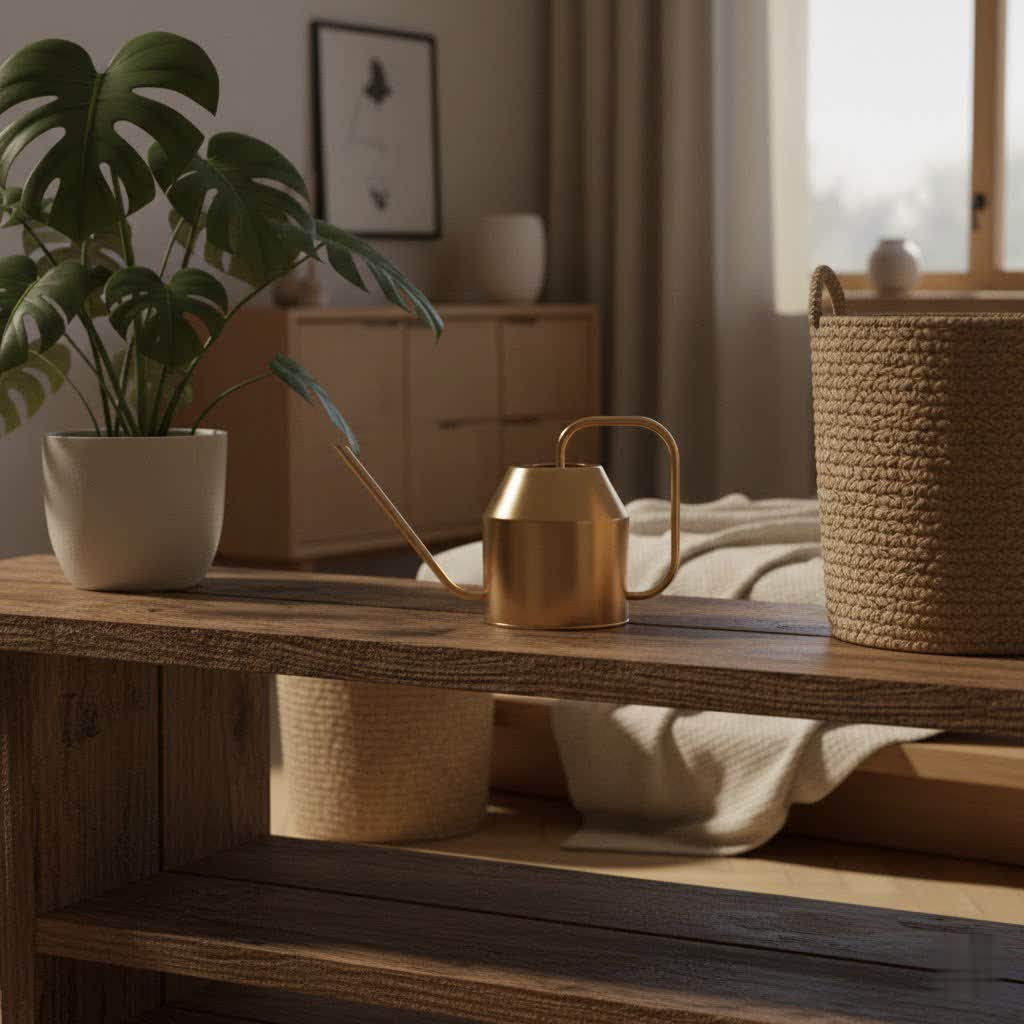
Selecting the perfect watering can is more than just a gardening chore; it’s about finding a functional piece that enhances your green space and reflects your personal style. Among the myriad choices, the white watering can stands out as a timeless and versatile option, blending seamlessly with any decor from modern minimalist to rustic chic. This guide dives deep into what makes a white watering can an indispensable tool, exploring materials, sizes, features, and care tips to help you choose a trusted companion for your plants, indoors and out.
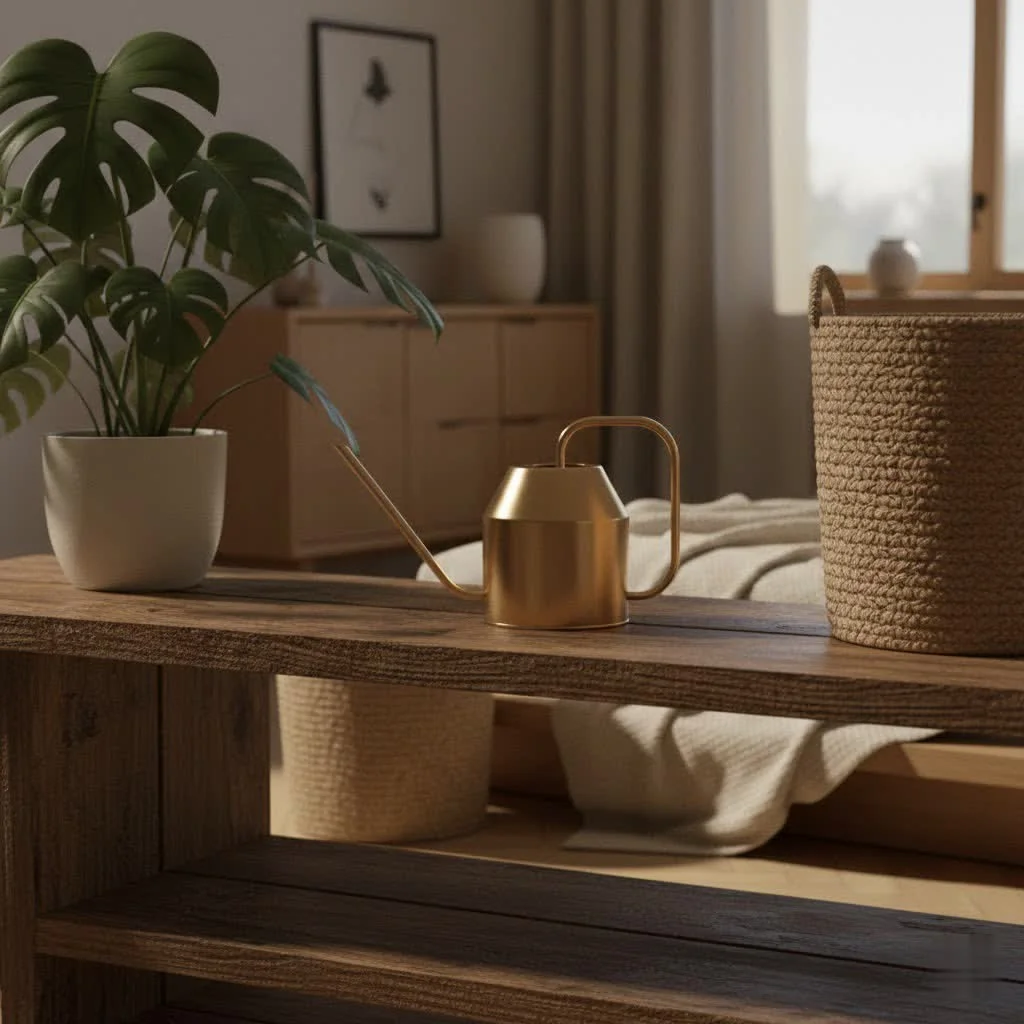
Unveiling the Charm of White Watering Cans
White watering cans offer a clean, crisp aesthetic that can brighten any corner of your home or garden. Beyond their visual appeal, their functionality is paramount. Understanding the different types available is the first step to finding your ideal match.
Popular Types of White Watering Cans
Each material brings its own set of advantages and considerations, shaping the durability, weight, and overall feel of your white watering can.
- White Plastic Watering Cans
These are often the most lightweight and affordable options, making them a practical choice for many gardeners. Plastic watering cans are inherently rust-resistant and come in various designs. However, they may be less durable than metal alternatives, prone to cracking or becoming brittle over time, especially with prolonged exposure to UV sunlight. Some gardeners also find their aesthetic less sophisticated. - White Metal Watering Cans
Typically crafted from galvanized steel or stainless steel, white metal watering cans boast superior durability and sturdiness. Their robust construction ensures they can withstand regular use and often present a modern, sleek aesthetic that makes them double as decorative pieces. While generally heavier when full, their stability can be an advantage. A key consideration, however, is that painted white finishes might chip with impacts, and if the protective coating is scratched, there’s a potential for rust if not dried properly. - White Ceramic/Glass Watering Cans
When the primary goal is aesthetic elegance, white ceramic or glass watering cans are unparalleled. They offer a high decorative value, transforming a functional item into a piece of art perfect for displaying alongside indoor plants. Their exquisite appearance comes with a trade-off: they are fragile and thus not suitable for outdoor use where they might easily break. These options also tend to be higher in price.
Comparing White Watering Can Materials
To simplify your decision, here’s a quick comparison of the most common materials for white watering cans:
| Feature | White Plastic | White Metal | White Ceramic/Glass |
|---|---|---|---|
| Durability | Lower | High | Low (Fragile) |
| Price | Affordable | Mid-range to High | High |
| Weight | Lightweight | Heavier | Moderate to Heavy |
| Aesthetic | Functional/Simple | Modern/Sleek | Decorative/Elegant |
| Rust Resistance | High | Moderate (can chip/scratch) | N/A (not metallic) |
| Outdoor Suitability | Moderate (UV concern) | High (if rust-treated) | Low (Fragile) |
Choosing the Right Capacity for Your White Watering Can
|
Our Picks for the Best Watering Can in 2026
As an Amazon Associate I earn from qualifying purchases.
|
||
| Num | Product | Action |
|---|---|---|
| 1 | 2 Gallon Watering Can, Garden Watering Can Outdoor, Plant Water Can with Removable Long Spout and Stainless Steel Sprinkler Head, Large Plastic Outdoor Watering Cans for Gardening Flower Plants |

|
| 2 | Plant Watering Can,35oz Metal Watering Can,Stainless Steel Indoor Plants with Long Curved Spout,Small Bonsai Outdoor Garden Modern Decorative(Black) |
|
| 3 | 350ml Small Watering Can for Indoor Plants, 12oz Mini Plant Watering Pot with Long Spout and Handle, Black Tiny Stainless Steel Watering-Can for Outdoor Indoor Plants Flower Garden |
|
| 4 | Watering Can for Indoor and Outdoor Plants - Long Spout Water Can for Garden, Flower, House Plants - 1.8L/1/2 Gallon (Green) |
|
| 5 | Indoor Plants Watering Can for Indoor Plants Long Probe Soil Moisture Meter Long Spout 47 oz Watering Cans Water Monitor Indicator for Pot Flower House Gardening Farming |
|
| 6 | Small Watering Can for Indoor Plants, Mini Indoor Watering Can with Long Spout and Handle 12 Oz / 350 ml Rust-Proof 304 Stainless Steel Material |
|
| 7 | Watering Can for Indoor Plants, 35 oz/1000 ml Metal Stainless Steel Pot with Long Spout for House Plants Bonsai Outdoor Garden Flower Decorative (Black) |
|
| 8 | 2 Gallon Watering Can, Outdoor Watering Can for Plants, Garden Water Can with Removable Long Spout and Stainless Steel Sprinkler Head, Large Water Can for Greenhouse (Dark Blue, 2 Gallon) |
|
| 9 | Watering Can for Indoor Outdoor Plants, Modern Small Watering Cans with Removable Nozzle, Long Spout Watering Can for Indoor Bonsai Plants Garden Flowers 1/2 Gallon 1.8L 60OZ (Dark Green) |
|
| 10 | Long Spout Watering Can Indoor, Small Watering Cans for House Plants, Flowers, Succulents 33.8oz(Green) |
|
The ideal capacity for your watering can depends significantly on the size and number of your plants, as well as where you’ll be using it.
- Small (Under 1 Liter/2 Pints): These petite cans are perfect for indoor plants, delicate seedlings, or small succulent arrangements. Their compact size makes them easy to store and maneuver, providing precise watering without over-saturating.
- Medium (1-3 Liters/1-2.6 Gallons): A versatile choice for balconies, patios, or small garden beds. This size strikes a balance between portability and reducing the frequency of refills, making it suitable for a moderate number of plants.
- Large (Over 3 Liters/2+ Gallons): If you have extensive outdoor gardens or many large plants, a larger capacity can minimize trips to the water source. Be mindful that these can become quite heavy when full, so consider designs with ergonomic handles for easier handling.
Essential Tips for Selecting a Quality White Watering Can
Beyond material and size, several design features contribute to a watering can’s effectiveness and your overall gardening experience.
- Material Quality: Look for high-grade plastic that is UV-stabilized to prevent degradation if used outdoors. For metal cans, ensure they are galvanized or powder-coated to enhance rust resistance and protect the white finish.
- Spout Design: A long, narrow spout is excellent for reaching deep into pots and delivering water precisely to the soil without wetting foliage, ideal for houseplants and delicate seedlings. For outdoor beds, a wider “rose” style attachment (like a showerhead) provides a gentle, even sprinkle. Adjustable or removable nozzles offer versatility.
- Handle Comfort: An ergonomic handle is crucial for comfortable use, especially when the can is full. For larger capacities, dual handles (one for carrying, one for pouring) can significantly improve control and reduce wrist strain.
- Aesthetic & Finish: If the pristine white look is a priority, read reviews regarding the longevity of painted finishes on metal cans, and choose UV-resistant plastic to prevent yellowing or fading over time. A good balance when full is also key to preventing accidental spills.
- Brand Reputation: Investing in a watering can from a reputable brand often guarantees better quality, durability, and thoughtful design features.
Caring for Your White Watering Can
Proper care will extend the life of your white watering can and keep it looking pristine.
- Proper Use: Always use the watering can for its intended purpose. A long-spouted indoor can isn’t designed for heavy outdoor tasks, and a large outdoor can might be too cumbersome for delicate houseplants.
- Regular Cleaning: To maintain its bright white finish, especially on plastic and metal, rinse your watering can after each use to prevent mineral deposits or algae buildup. For stubborn stains, a gentle scrub with soap and water will suffice.
- Storage: Store plastic watering cans out of direct sunlight to prevent UV degradation, which can lead to brittleness and discoloration. For metal cans, ensure they are thoroughly dried before storage to minimize any risk of rust, particularly if the finish has been scratched.
- Protection: Handle ceramic and glass watering cans with extreme care to avoid chips or breaks. Even durable metal cans can dent, so protect them from drops and impacts.
Top White Watering Can Recommendations
Finding the “best” white watering can depends entirely on your specific needs and aesthetic preferences. Consider these categories to guide your choice:
- For the Minimalist Home: Opt for a sleek, small white metal can with a minimalist design and a long, slender spout. Its clean lines and precise pour make it both functional and a stylish decor piece.
- For the Busy Gardener: A durable, medium-capacity white plastic can featuring an ergonomic dual-handle design will be your workhorse. Look for one with a versatile spout that can switch between a gentle shower and a steady stream.
- For Decorative Appeal: A charming white ceramic or elegantly painted metal can with intricate details or a unique silhouette can serve as a stunning accent, especially for displaying on shelves or side tables.
- For Precision Indoor Care: A petite white plastic can with a very fine rose attachment ensures a gentle, targeted watering experience for your most delicate houseplants and terrariums.
- For Robust Outdoor Use: A large, galvanized white steel can with a sturdy handle and a generous rose will stand up to the elements and provide efficient watering for extensive garden beds.
Guide to Purchasing Your Ideal White Watering Can
Making the final choice for your white watering can should be a thoughtful process.
- Define Your Needs: Clearly identify whether you need it primarily for indoor or outdoor use, the types of plants you have, and the aesthetic you wish to achieve.
- Research Product Details: Dive into the specifics of various models – material composition, exact capacity, spout functionality, and handle ergonomics.
- Compare Options: Lay out different white watering can options side-by-side, weighing their features against their price and your quality expectations.
- Read User Reviews: Gain insights from other gardeners’ experiences regarding durability, ease of use, and how the white finish holds up over time.
- Check Retailers: Purchase from reputable gardening stores, home goods retailers, or trusted online platforms to ensure authenticity and good customer service.
“A well-chosen watering can isn’t just a tool; it’s an extension of your care for your plants, making the act of nurturing both effective and enjoyable.” – Admin, ReviewAgile.com
Conclusion
A white watering can can be far more than a simple gardening implement; it’s a statement of style and a shows your dedication to plant care. Whether you prioritize lightweight practicality, robust durability, or sophisticated aesthetics, there’s a perfect white watering can waiting to become your trusted gardening companion. By considering the material, capacity, and key features, you can select an item that not only performs flawlessly but also adds a touch of enduring elegance to your plant-filled world. So, which white watering can will you choose to bring both beauty and functionality to your gardening routine?
Frequently Asked Questions
Should I choose a white plastic or a white metal watering can?
Choosing between a white plastic and a white metal watering can depends on your priorities. White plastic cans are lighter and rust-proof, ideal for light indoor use, though they may degrade in sunlight. White metal cans offer superior durability and a more premium look but are heavier and can be prone to chipping or rust if not well-maintained.
Get our weekly buyer guide
Practical specs, not advice. Unsubscribe anytime.
