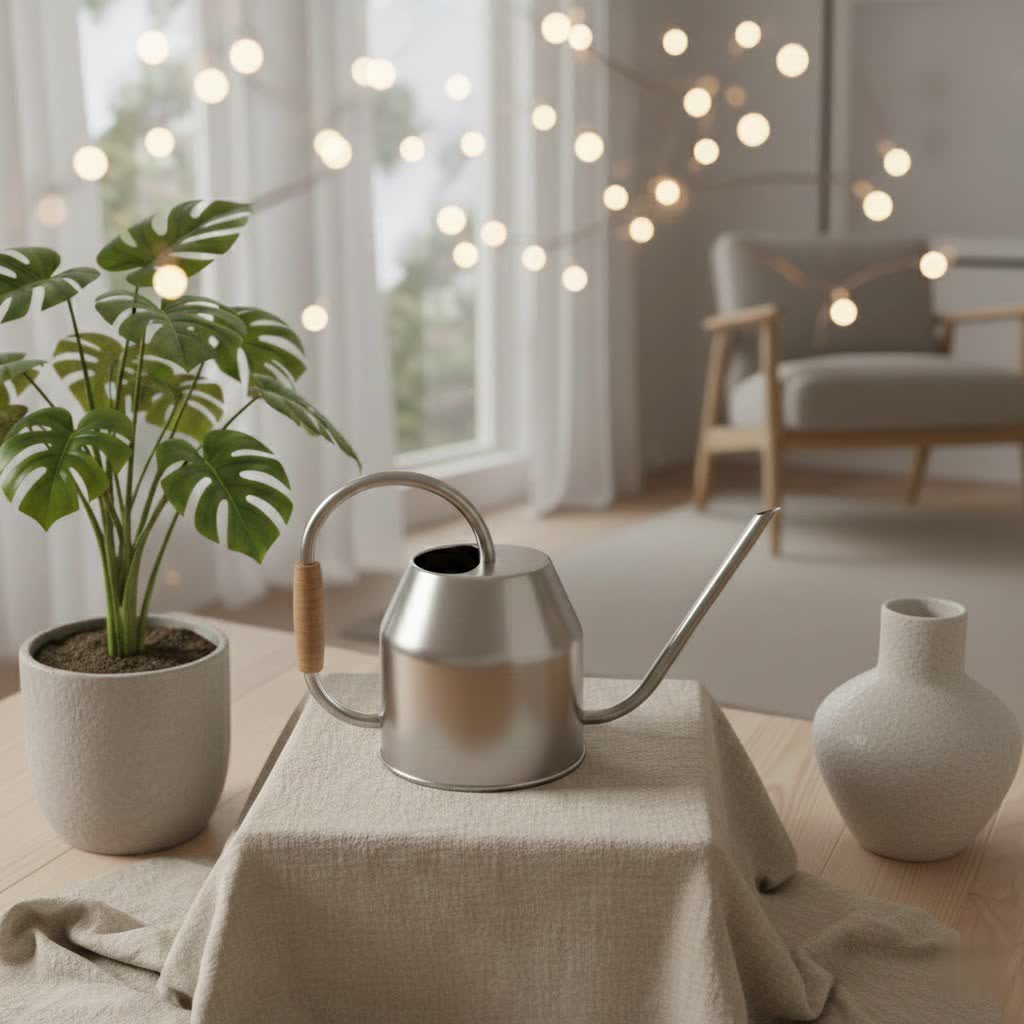
Gardening brings immense joy, a serene connection with nature, and the satisfaction of watching life flourish under your care. Yet, even seasoned green thumbs can overlook a crucial detail that profoundly impacts plant health: the watering can spout. More than just a simple nozzle, the right spout is an indispensable tool, acting as a direct extension of your care, ensuring each drop of water nurtures your plants exactly as they need it. With over a decade of hands-on experience in gardening and testing countless watering tools, I’ve seen firsthand how the choice of a spout can elevate your watering routine from a chore to a truly effective and enjoyable ritual. This comprehensive guide will equip you with the deep insights and practical tips necessary to choose the perfect watering can spout, transforming your plant care and making every watering session a step towards a healthier, happier garden.
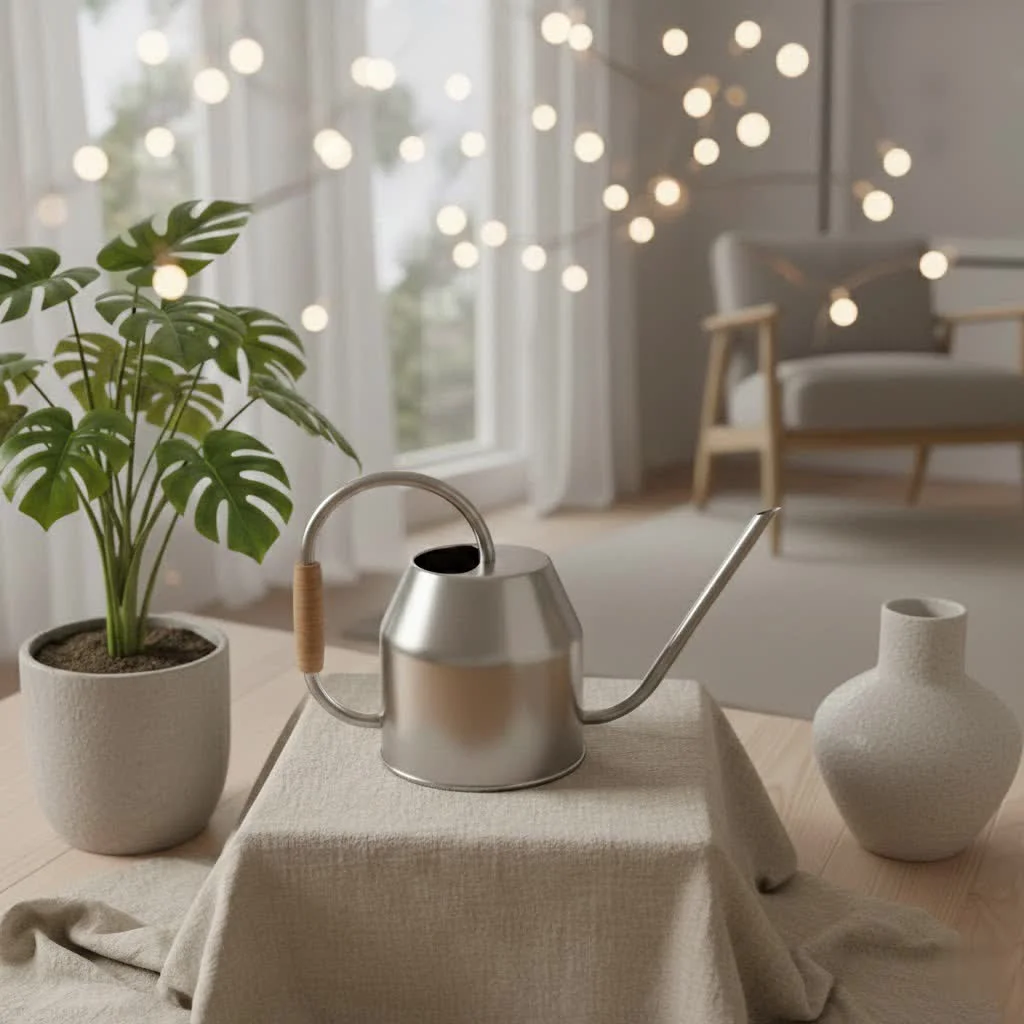
Understanding Watering Can Spouts: The Heart of Hydration
The humble watering can spout often goes unnoticed, yet it’s the primary determinant of how water reaches your plants. Different plants thrive under different watering conditions, and a generic spout simply won’t cut it for all. Whether you’re tending to delicate seedlings, thirsty indoor foliage, or expansive garden beds, the spout dictates the water’s flow, force, and distribution. Understanding these variations is the first step towards mastering the art of watering and ensuring your green companions receive optimal hydration without stress or damage. For see our gardening tools recommendations on this site.
Types of Watering Can Spouts Explained
Watering can spouts primarily fall into two categories: free-flow spouts and rose spouts, each designed for specific watering needs. Knowing when to use which can make all the difference in your plant care routine.
Free-Flow Spouts (Pour Spouts / Single Stream)
A free-flow spout, often referred to as a pour spout or single-stream spout, delivers water in a direct, concentrated stream. This design is characterized by an open end without any diffusion mechanism.
Description: These spouts provide an uninterrupted, strong flow of water, much like pouring directly from a pitcher. They can range in length and diameter, but their core function is precise, direct application.
Pros:
- Precision Targeting: Ideal for directing water exactly where it’s needed, such as the base of a specific plant or deep into dense foliage.
- Reaching Tight Spaces: A narrow free-flow spout excels at navigating crowded pots or reaching plants nestled among others without disturbing their neighbors.
- Keeping Leaves Dry: For plants prone to fungal diseases or those that dislike having wet leaves (like African Violets or certain succulents), a free-flow spout allows you to water the soil directly, minimizing moisture on foliage.
- Efficient for Established Plants: Mature plants with robust root systems can typically handle the direct impact of a stronger water stream.
Cons:
- Potential for Damage: The concentrated force of water can easily dislodge delicate seedlings, wash away topsoil, or even damage fragile stems and roots.
- Soil Erosion: A strong, direct stream can cause soil compaction and erosion, especially in lightweight potting mixes, exposing roots and reducing aeration.
- Uneven Distribution: If not handled carefully, a free-flow spout can lead to uneven watering, creating dry spots in larger pots or beds.
Best for:
- Indoor Plants: Especially those in individual pots where targeted watering is essential to prevent overwatering or wetting surrounding surfaces.
- Potted Plants: Perfect for delivering water directly to the soil line of plants in containers, ensuring maximum absorption.
- Hanging Baskets: Long, free-flow spouts are excellent for reaching elevated plants without straining or making a mess.
- Succulents and Cacti: These plants prefer precise watering at the base to avoid moisture accumulation on their leaves, which can lead to rot.
Rose Spouts (Sprinkle Nozzles / Shower Heads)
The rose spout, also known as a sprinkle nozzle or shower head, is easily identifiable by its perforated cap that diffuses the water into a gentle, rain-like spray. The term “rose” comes from its appearance, resembling the petals of a flower.
Description: These attachments feature multiple small holes that break the single stream of water into numerous fine droplets, mimicking a soft rain shower. They can be fixed or removable, and some advanced versions offer adjustable spray patterns.
Pros:
- Gentle Watering: The diffused spray prevents damage to delicate plants, fragile seedlings, and young sprouts, protecting them from the force of direct water.
- Prevents Soil Erosion: By distributing water gently and evenly, rose spouts significantly reduce the risk of soil being washed away or becoming compacted.
- Even Water Distribution: The shower-like effect ensures that a larger surface area receives uniform moisture, promoting consistent growth across the plant’s root zone.
- Water Conservation: The controlled flow helps minimize runoff and wastage, directing water efficiently to where it’s needed most in the soil.
- Versatility for Outdoor Use: Excellent for watering entire garden beds, trays of seedlings, or outdoor containers, providing a broad, soft application.
Cons:
- Less Precision: While great for broad coverage, rose spouts can be less precise if you need to water a very specific spot or avoid wetting certain plant parts.
- Clogging Potential: The small holes can sometimes become clogged with debris or mineral deposits, requiring regular cleaning.
Variations of Rose Spouts:
- Fine Spray Roses: Produce very tiny droplets, ideal for germinating seeds, watering very young seedlings, or misting humidity-loving plants. They deliver the gentlest touch.
- Coarse Spray Roses: Feature slightly larger holes, providing a more robust, yet still gentle, shower. These are suitable for more established but still developing plants, larger outdoor containers, or general garden watering where a good soak is needed without being too forceful.
- Adjustable Roses: Some innovative designs allow you to switch between a fine spray and a more direct stream, offering unparalleled versatility for diverse gardening tasks.
Best for:
- Seedlings and Young Plants: Crucial for nurturing fragile new growth without causing physical stress or dislodging them from the soil.
- Flower Beds and Mixed Plantings: Provides even coverage over larger areas, promoting consistent hydration.
- Outdoor Containers: Ensures thorough and gentle watering of a variety of plants in pots placed outdoors.
- Newly Planted Areas: Helps establish new plantings by preventing disturbance of the fresh soil around their roots.
The Long and Short of It: Spout Length
|
Our Picks for the Best Watering Can in 2026
As an Amazon Associate I earn from qualifying purchases.
|
||
| Num | Product | Action |
|---|---|---|
| 1 | Indoor Plants Watering Can for Indoor Plants Long Probe Soil Moisture Meter Long Spout 47 oz Watering Cans Water Monitor Indicator for Pot Flower House Gardening Farming |

|
| 2 | Watering Can for Indoor Plants, 35 oz/1000 ml Metal Stainless Steel Pot with Long Spout for House Plants Bonsai Outdoor Garden Flower Decorative (Black) |
|
| 3 | 2 Gallon Watering Can, Garden Watering Can Outdoor, Plant Water Can with Removable Long Spout and Stainless Steel Sprinkler Head, Large Plastic Outdoor Watering Cans for Gardening Flower Plants |
|
| 4 | Watering Can for Indoor Outdoor Plants, Modern Small Watering Cans with Removable Nozzle, Long Spout Watering Can for Indoor Bonsai Plants Garden Flowers 1/2 Gallon 1.8L 60OZ (Dark Green) |
|
| 5 | Plant Watering Can,35oz Metal Watering Can,Stainless Steel Indoor Plants with Long Curved Spout,Small Bonsai Outdoor Garden Modern Decorative(Black) |
|
| 6 | 350ml Small Watering Can for Indoor Plants, 12oz Mini Plant Watering Pot with Long Spout and Handle, Black Tiny Stainless Steel Watering-Can for Outdoor Indoor Plants Flower Garden |
|
| 7 | Watering Can for Indoor and Outdoor Plants - Long Spout Water Can for Garden, Flower, House Plants - 1.8L/1/2 Gallon (Green) |
|
| 8 | Small Watering Can for Indoor Plants, Mini Indoor Watering Can with Long Spout and Handle 12 Oz / 350 ml Rust-Proof 304 Stainless Steel Material |
|
| 9 | 2 Gallon Watering Can, Outdoor Watering Can for Plants, Garden Water Can with Removable Long Spout and Stainless Steel Sprinkler Head, Large Water Can for Greenhouse (Dark Blue, 2 Gallon) |
|
| 10 | Long Spout Watering Can Indoor, Small Watering Cans for House Plants, Flowers, Succulents 33.8oz(Green) |
|
Beyond the type of flow, the length of your watering can spout plays a significant role in its functionality and ergonomic comfort.
-
Long Spouts: A long, narrow spout is a gardener’s best friend for reaching difficult areas. It allows you to water plants at the back of a shelf, deep within a dense jungle of foliage, or in high-up hanging baskets without stretching or spilling. The extended reach also helps you target the soil directly, keeping leaves dry and minimizing the risk of fungal issues. Many indoor watering cans feature prominently long spouts for this reason.
-
Short Spouts: While less common for free-flow, short spouts are typically found on cans designed for broader, less precise applications, often paired with a rose attachment for general sprinkling. For heavy-duty outdoor watering, a shorter, sturdier spout can sometimes improve balance when the can is full, especially if it’s a large capacity can.
“The right watering can spout isn’t just about getting water to your plants; it’s about delivering it with intention. A thoughtful approach to watering, starting with your spout choice, is fundamental to a thriving garden.” – Dr. Elara Vance, Horticultural Scientist and Urban Farmer.
Choosing the Right Spout for Your Plants: A Practical Guide
Selecting the ideal watering can spout involves a simple assessment of your gardening needs. Consider the type of plants you grow, their location, and your specific watering goals.
1. For Indoor Plants and Delicate Houseplants:
Opt for a watering can with a long, narrow free-flow spout. This design allows for precise watering directly at the base of the plant, preventing water from splashing onto leaves or furniture. It’s perfect for reaching inside dense foliage or watering small, delicate pots. If you have many seedlings indoors, a watering can with a fine spray rose would also be invaluable.
2. For Seeds, Seedlings, and Young Plants:
A rose spout is non-negotiable here. The gentle, diffused spray is crucial to prevent disturbing tiny seeds, washing away delicate soil, or damaging fragile young stems. A fine spray rose is particularly effective for germination and the early stages of growth.
3. For Outdoor Garden Beds and Established Plants:
A coarse spray rose spout or a larger capacity can with a standard rose is excellent for covering wider areas evenly and efficiently. It delivers a good amount of water without causing erosion, ensuring established plants get a thorough soak. For large garden beds, the ability to deliver a consistent, gentle shower is key.
4. For Hanging Baskets and Hard-to-Reach Spots:
A watering can with a long, slender free-flow spout is ideal. Its extended reach allows you to water elevated plants or those tucked away in corners without spills, ensuring the water reaches the soil, not the floor or leaves.
5. For Maximum Versatility:
Look for watering cans that offer interchangeable or adjustable spouts/roses. Some models come with a detachable rose, allowing you to switch between a gentle sprinkle and a direct stream as needed. This “dual purpose” functionality makes a single can suitable for a wider range of tasks.
Material and Durability Considerations
While the “spout” itself is often an integrated part of the watering can’s overall design, its material affects its performance and longevity.
- Plastic Spouts: Common, lightweight, and often part of an affordable plastic watering can. They are generally durable enough for casual use but can become brittle over time or with sun exposure. Ensure the plastic is of good quality and doesn’t easily crack.
- Metal Spouts (e.g., Galvanized Steel, Copper, Brass): Found on more traditional and robust watering cans. Metal spouts are highly durable, resistant to corrosion (especially galvanized or brass), and often contribute to a more balanced feel. They are less prone to breaking or cracking.
- Leak-Free Design: Regardless of material, a well-designed spout should be seamlessly integrated or securely attached to the can to prevent leaks. Cans with one-piece construction or tightly fitting, high-quality connections will minimize drips and spills. A slightly curved spout can also help prevent spillage while carrying.
Maintenance Tips for Your Watering Can Spout
Proper maintenance ensures your watering can spout continues to perform optimally and has a long lifespan.
- Regular Cleaning: Especially for rose spouts, mineral deposits and debris can accumulate in the small holes, blocking the flow. Regularly rinse the rose attachment under strong water pressure. For stubborn clogs, use a fine needle or a small brush (like an old toothbrush) to clear the holes. Soaking in a vinegar solution can also help dissolve mineral buildup.
- Check for Damage: Periodically inspect the spout for cracks, dents, or blockages. A damaged spout can alter the water flow or cause leaks.
- Proper Storage: Store your watering can and its spout in a dry, shaded area when not in use. Prolonged exposure to direct sunlight can degrade plastic and fade colors, while constant dampness can lead to rust on some metal cans.
- Detach and Store Roses: If your watering can has a detachable rose, consider removing it for separate cleaning and storage, especially if you won’t be using it for an extended period. Some cans even have a built-in peg to store the rose securely.
Top Watering Can Spouts: What to Look For
When considering specific watering cans, pay attention to these spout-related features:
| Feature | Ideal for | Benefits |
|---|---|---|
| Long, Narrow Spout | Indoor plants, hanging baskets, succulents | Precision, prevents leaf wetness, reaches tight spots |
| Fine Spray Rose | Seeds, young seedlings, delicate plants | Gentle watering, prevents erosion, even mist |
| Coarse Spray Rose | Established garden beds, outdoor pots | Thorough soaking, good coverage, still gentle |
| Detachable Rose | Versatile gardeners with mixed needs | Switches between pour and sprinkle, multi-purpose |
| Adjustable Flow | Diverse plant collection, new gardeners | Customizable stream strength, great flexibility |
Conclusion
Choosing the right watering can spout might seem like a small decision, but it profoundly impacts the health and vitality of your plants. From the delicate precision of a long, narrow spout for your cherished indoor specimens to the gentle, life-giving shower of a rose for your thriving garden beds, understanding these tools empowers you to water with confidence and care. By selecting a spout that aligns with the specific needs of your flora, you minimize plant stress, prevent soil erosion, and ensure every drop of water contributes to vibrant growth.
So, take a moment to assess your green companions. Are they delicate seedlings yearning for a gentle touch, or robust shrubs needing a deep, even soak? With the insights shared here, you are now equipped to choose a watering can spout that will truly be a reliable companion in your gardening journey. What kind of watering can spout will you choose to transform your watering routine today?
Frequently Asked Questions
Which type of watering can spout is best for seedlings?
For seedlings, a rose spout is overwhelmingly the best choice. It breaks the water into a fine, gentle spray that mimics natural rain, preventing the delicate young plants from being dislodged or damaged by a strong stream. This also helps to avoid soil erosion around their fragile roots, ensuring an even and consistent moisture level vital for early growth.
Can I use the same watering can spout for both indoor and outdoor plants?
Yes, you absolutely can, especially if your watering can features a detachable or adjustable rose spout. This versatility allows you to switch between a direct, free-flow stream (ideal for precision watering indoor pots) and a gentle sprinkle (perfect for outdoor seedlings or wider garden areas). If your can only has one type of spout, you might find it beneficial to have two separate cans to meet diverse watering needs optimally.
How do I prevent my watering can spout from clogging?
To prevent clogging, particularly with rose spouts, regularly rinse the spout thoroughly after each use to remove any soil particles or debris. For stubborn mineral buildup, which can narrow or block the small holes, soak the rose attachment in a solution of equal parts white vinegar and water for a few hours, then use a fine brush or needle to clear the openings. Consistent cleaning is key to maintaining an unobstructed flow.
Get our weekly buyer guide
Practical specs, not advice. Unsubscribe anytime.

This guide really broke down the different types of spouts. I always just used whatever came with my can, but the mention of the shower spout for established plants made me realize I was overwatering some of my larger outdoor pots. Switched to a wider shower head and my petunias are looking much happier. Good info!
I never really thought much about watering can spouts until I read this. My old one just dumped water everywhere, especially on my delicate seedlings. The fine rose spout recommendation here was a game-changer for my indoor herb garden. Now I can water them without washing away all the soil. It’s made such a difference!
I appreciate the detailed breakdown of spouts, but I was hoping for more specific brand recommendations for replacement spouts. My current watering can is a bit older, and finding a compatible long-reach spout has been a challenge. The tips on material were helpful, but a few links to good quality universal options would’ve been great.
Who knew there was so much to learn about watering can spouts? I’ve been struggling with my succulents getting too much water, and the advice about using a narrow, precise spout for targeted watering was exactly what I needed. My little cacti are thriving now, and I’m not wasting water. Definitely improved my plant care routine.