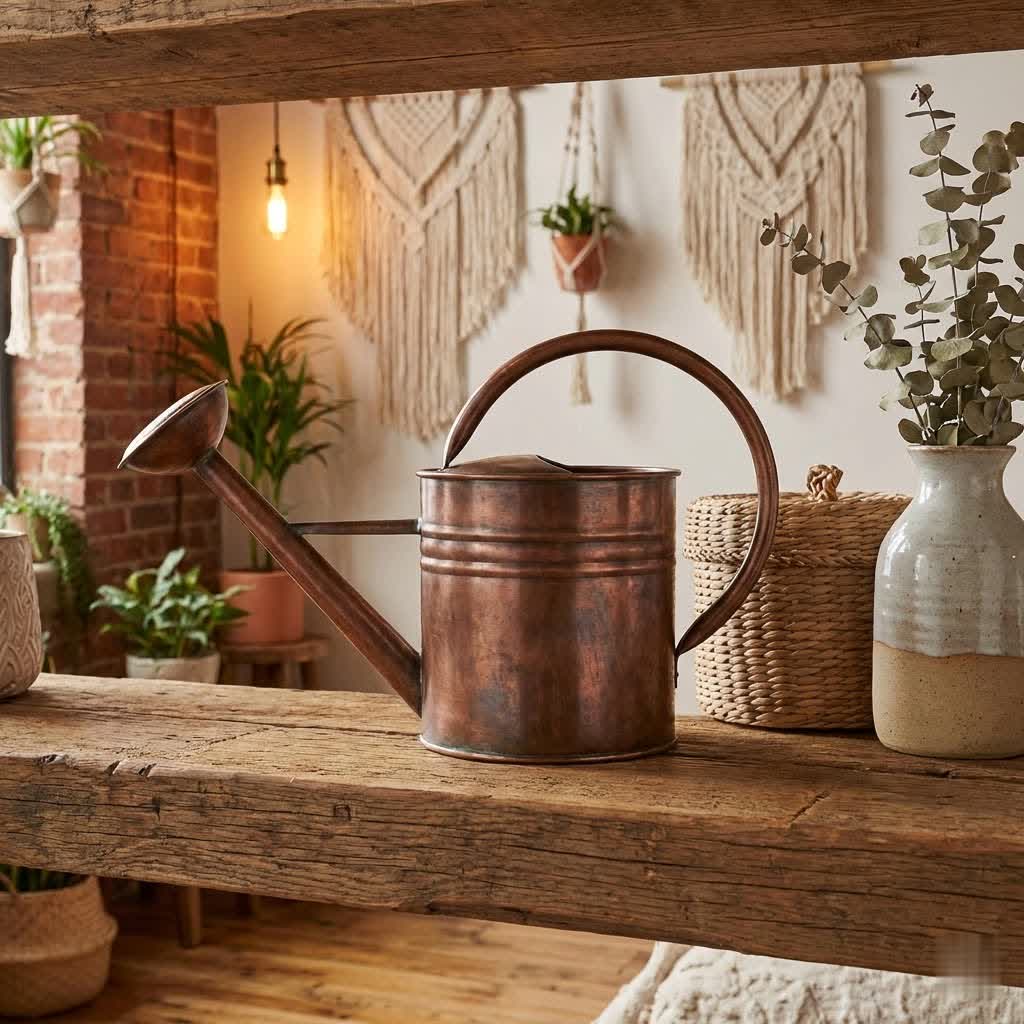
Caring for hanging plants brings a touch of vibrant greenery to any space, but watering them can often feel like a juggling act. You’ve likely experienced the challenge of reaching elevated pots, avoiding spills, and ensuring your beloved plants get just the right amount of hydration without soaking your floors. The good news is that the right watering can transforms this chore into a simple, enjoyable task. This guide will walk you through everything you need to know to choose the perfect watering can, turning you into a confident hanging plant parent.
Understanding Watering Can Types for Hanging Plants
When it comes to watering cans, variety is key. While many options exist, specific designs excel for hanging plants, making your life significantly easier. For compare top gardening tools on this site.
Long-Spout Watering Cans
These are the undisputed champions for hanging plants. Their elongated, slender spouts allow for targeted watering directly to the soil, bypassing dense foliage and preventing water from splashing onto leaves, floors, or furniture. This precision is crucial for hard-to-reach baskets and delicate plant varieties.
- Pros: Exceptional reach, precise water delivery, minimizes spills, keeps foliage dry.
- Cons: Can sometimes be less compact for storage.
Standard Indoor Watering Cans
Typically smaller with a moderate spout length, these are suitable if your hanging plants are easily accessible or if you plan to lower them for watering. However, they may still pose a challenge for very high or intricate hanging arrangements where precision is paramount.
- Pros: Good for general indoor plants, often aesthetically pleasing.
- Cons: Limited reach for high hanging plants, higher risk of spills.
Outdoor Watering Cans
Often larger and more robust, outdoor cans usually have shorter, wider spouts designed for broad coverage of garden beds or ground-level pots. Their weight and design make them generally unsuitable for overhead watering of hanging plants.
- Pros: High capacity, durable for outdoor use.
- Cons: Too heavy and cumbersome for hanging plants, imprecise watering.
Key Features to Prioritize for Hanging Plants
Choosing the ideal watering can means looking beyond just aesthetics. Specific features significantly impact ease of use and plant health when watering elevated greenery.
Spout Length and Design
A long, narrow spout is arguably the most critical feature. It allows you to deliver water accurately to the plant’s base, navigating through leaves and reaching the soil without tilting the can excessively or stretching uncomfortably. Look for spouts that are thin enough to fit between foliage but sturdy enough not to kink or bend.
Capacity and Weight
|
Our Picks for the Best Watering Can in 2026
As an Amazon Associate I earn from qualifying purchases.
|
||
| Num | Product | Action |
|---|---|---|
| 1 | Watering Can for Indoor Outdoor Plants, Modern Small Watering Cans with Removable Nozzle, Long Spout Watering Can for Indoor Bonsai Plants Garden Flowers 1/2 Gallon 1.8L 60OZ (Dark Green) |

|
| 2 | Long Spout Watering Can Indoor, Small Watering Cans for House Plants, Flowers, Succulents 33.8oz(Green) |
|
| 3 | Indoor Plants Watering Can for Indoor Plants Long Probe Soil Moisture Meter Long Spout 47 oz Watering Cans Water Monitor Indicator for Pot Flower House Gardening Farming |
|
| 4 | Watering Can for Indoor and Outdoor Plants - Long Spout Water Can for Garden, Flower, House Plants - 1.8L/1/2 Gallon (Green) |
|
| 5 | Watering Can for Indoor Plants, 35 oz/1000 ml Metal Stainless Steel Pot with Long Spout for House Plants Bonsai Outdoor Garden Flower Decorative (Black) |
|
| 6 | Small Watering Can for Indoor Plants, Mini Indoor Watering Can with Long Spout and Handle 12 Oz / 350 ml Rust-Proof 304 Stainless Steel Material |
|
| 7 | Plant Watering Can,35oz Metal Watering Can,Stainless Steel Indoor Plants with Long Curved Spout,Small Bonsai Outdoor Garden Modern Decorative(Black) |
|
| 8 | 2 Gallon Watering Can, Garden Watering Can Outdoor, Plant Water Can with Removable Long Spout and Stainless Steel Sprinkler Head, Large Plastic Outdoor Watering Cans for Gardening Flower Plants |
|
| 9 | 2 Gallon Watering Can, Outdoor Watering Can for Plants, Garden Water Can with Removable Long Spout and Stainless Steel Sprinkler Head, Large Water Can for Greenhouse (Dark Blue, 2 Gallon) |
|
| 10 | 350ml Small Watering Can for Indoor Plants, 12oz Mini Plant Watering Pot with Long Spout and Handle, Black Tiny Stainless Steel Watering-Can for Outdoor Indoor Plants Flower Garden |
|
For hanging plants, a smaller capacity (typically 1 to 3 liters) is often best. A full, large watering can becomes heavy quickly, making it difficult to lift overhead and maintain control. A lighter can, even if it requires more refills, reduces strain and improves maneuverability, minimizing spills.
Handle Ergonomics
Comfort is paramount, especially when reaching up. Look for an ergonomic handle that provides a secure, comfortable grip. Some designs feature two handles—one for carrying and one for pouring—which can greatly enhance balance and control, especially as the can empties and the center of gravity shifts.
Material Durability and Aesthetics
The material affects both the can’s longevity and its visual appeal.
- Plastic: Lightweight, affordable, and comes in many colors. It’s generally less durable than metal but very practical for indoor use.
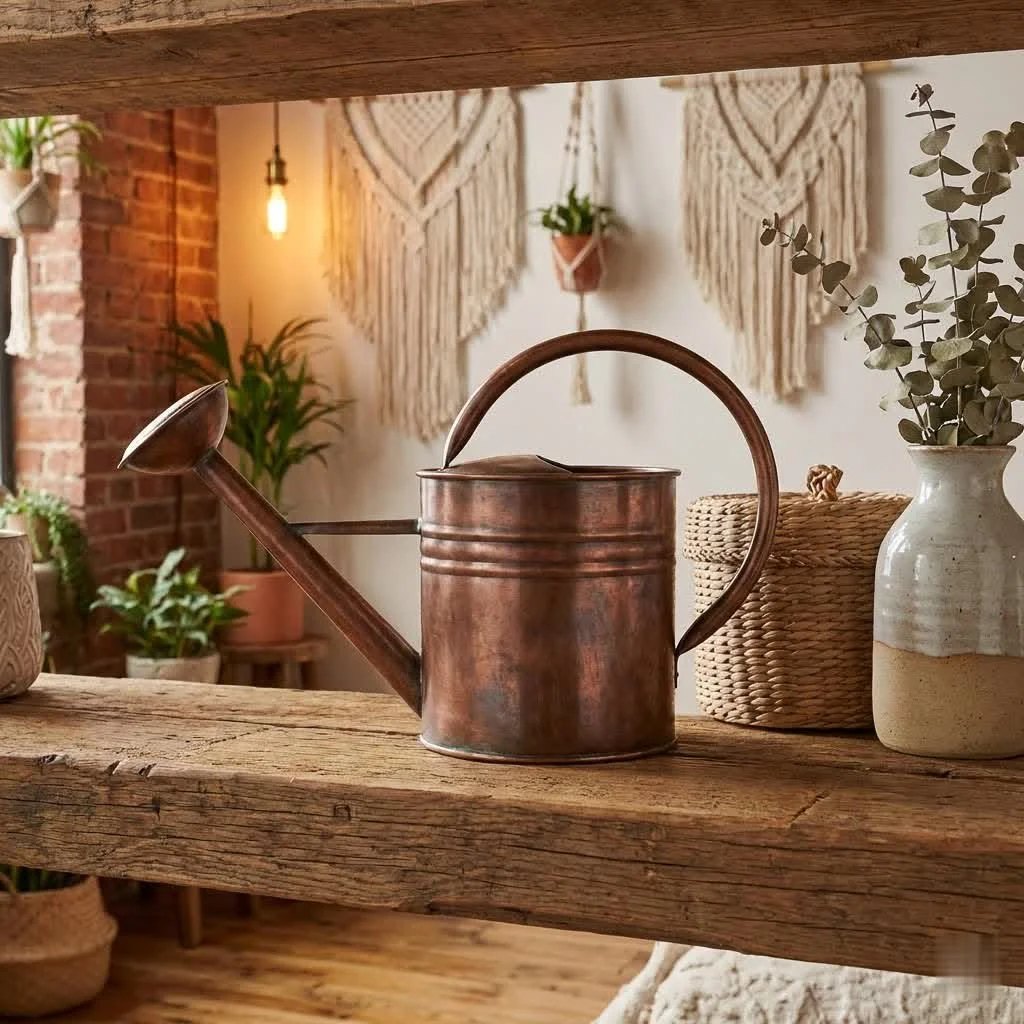
- Metal (Stainless steel, galvanized steel, copper): Offers superior durability and a more classic or modern aesthetic. Metal cans tend to be heavier but resist rust if properly coated or maintained. Copper can develop an attractive patina over time.
- Ceramic or Glass: Primarily decorative, these are beautiful but fragile and generally too heavy or delicate for frequent use with hanging plants.
Flow Control
A gentle, consistent stream is essential. A fast, powerful gush can erode soil, expose roots, or damage delicate plant structures. Some watering cans come with a “rose” attachment, a shower-like head that diffuses the water into a soft sprinkle, perfect for seedlings or plants that prefer a gentle rain-like watering. For hanging plants, a narrow, controllable stream is usually preferred to avoid overspray.
Comparing Popular Watering Can Materials
The material of your watering can affects its weight, durability, and aesthetic. Here’s a comparison to help you decide:
| Feature | Plastic | Metal (e.g., Stainless Steel, Galvanized Steel) | Ceramic / Glass |
|---|---|---|---|
| Durability | Low – Medium; can crack or fade | High; rust-resistant (if treated) | Low; very fragile |
| Cost | Low | Medium – High | High |
| Weight | Light | Medium – Heavy | Heavy |
| Aesthetics | Basic to trendy; wide color range | Classic, modern, industrial; often elegant | Highly decorative, artistic |
| Best for Hanging Plants | Excellent (especially long-spout, light models) | Good (if not too heavy when full) | Limited (too fragile/heavy) |
Choosing the Right Capacity for Your Needs
The size of your watering can directly impacts how often you refill it and how easy it is to handle, particularly for hanging plants.
- Small (under 1 liter): Ideal for a few small hanging plants or delicate houseplants. These are very light and easy to maneuver, perfect for precise, measured watering. If you have many plants, you’ll need frequent refills.
- Medium (1-3 liters): A versatile choice for several indoor hanging plants or a small collection. It offers a good balance between capacity and manageable weight, reducing refill trips without becoming overly strenuous to lift.
- Large (over 3 liters): Generally not recommended for directly watering hanging plants from above due to excessive weight when full. If you have a large outdoor hanging basket, it’s often more practical to lower the basket for watering, or use a watering lance.
Expert Tips for Selecting a Quality Watering Can
Selecting a watering can for hanging plants means finding a balance between functionality and personal preference. Here are some pointers:
- Material Choice: Opt for durable, non-toxic materials. Plastic is a practical, lightweight option, while high-quality metal provides longevity and a sophisticated look.
- Spout Precision: The v-shaped nozzle or a fine rose attachment ensures a gentle, even flow. Test the spout to make sure it delivers water smoothly without sudden gushes.
- Comfortable Grip: A well-designed handle makes all the difference. It should feel balanced and comfortable in your hand, even when the can is full. Consider designs with a second handle for improved control and support.
- Consider Design: While functionality is key, the aesthetics matter too, especially for indoor use. Choose a design that complements your home decor and makes you happy to use it.
- Reputable Brands: Investing in a known brand often guarantees better quality, durability, and ergonomic design.
How to Use and Maintain Your Watering Can for Longevity
Proper usage and maintenance will ensure your watering can remains a reliable tool for years to come.
- Use Correctly: Always aim the spout directly at the soil to minimize runoff and ensure water reaches the roots. For hanging plants, water slowly in stages to allow the soil to absorb moisture and avoid overflow.
- Regular Cleaning: Over time, algae or mineral deposits can build up, especially in the spout. Rinse your watering can thoroughly after each use. Periodically, you can use a mild soap solution and a brush to clean the interior and spout, then rinse well.
- Avoid Direct Sunlight: Prolonged exposure to direct sunlight can cause plastic cans to become brittle and fade, and metal cans to heat up, potentially warming the water to a temperature that could shock plants. Store your can in a shaded or indoor spot.
- Proper Storage: Store your watering can in a dry, cool place to prevent rust (for metal cans) and to keep it clean and ready for its next use.
Top Watering Can Features for Hanging Plants
While specific product names can vary, these types of watering cans are consistently praised for their suitability for hanging plants due to their design and features.
- The Precision Long-Spout (Plastic): Often featuring a slender, extra-long spout and a comfortable handle, this lightweight plastic can is perfect for reaching high baskets and delivering a controlled stream. Its minimal weight makes overhead watering less strenuous.
- Pros: Lightweight, excellent reach, precise, affordable.
- Cons: Less durable than metal, aesthetic may be basic.
- The Ergonomic Indoor (Metal): A smaller, stylish metal can (often stainless steel or galvanized) with a well-balanced design and an elongated, thin spout. Its robust construction ensures durability, and a comfortable grip minimizes strain.
- Pros: Durable, elegant, precise watering, good balance.
- Cons: Heavier than plastic, typically higher price point.
- The Dual-Handle Design (Plastic/Metal): While some larger versions may be too heavy, smaller versions with two handles offer superior control and stability when tilting, particularly useful for getting water into tricky angles in hanging baskets.
- Pros: Enhanced control and stability, reduces wrist strain.
- Cons: Can still be heavy if capacity is too large.
Comparison of Exemplary Watering Can Features for Hanging Plants
| Feature | Precision Long-Spout (Plastic) | Ergonomic Indoor (Metal) | Dual-Handle Design (Plastic/Metal) |
|---|---|---|---|
| Capacity (Liters) | 1.0 – 2.0 | 0.8 – 1.5 | 1.5 – 3.0 |
| Material | Durable Plastic | Stainless/Galvanized Steel | High-Grade Plastic or Lightweight Metal |
| Price Range | Low – Medium | Medium – High | Medium – High |
| Key Advantage | Max reach, minimal weight | Durability, aesthetics, balance | Superior control, reduced strain |
| Consideration | May lack premium feel | Heavier, higher cost | Can be bulky if high capacity |
Your Smart Buying Guide for a Hanging Plant Watering Can
To make the best choice, consider these steps:
- Assess Your Needs: How many hanging plants do you have? How high are they? Do you prefer a quick-and-easy solution or a durable, aesthetic piece?
- Research Features: Focus on spout length, capacity, handle design, and material that align with your watering routine and plant setup.
- Read Reviews: Look for feedback from other hanging plant owners regarding ease of use, pour control, and durability.
- Compare Options: Weigh the pros and cons of different models based on features, price, and brand reputation.
- Purchase from Trusted Retailers: Ensure you’re buying a quality product with good customer support.
Conclusion
Choosing the right watering can for your hanging plants doesn’t have to be a daunting task. By focusing on a long, narrow spout for precision, an appropriate capacity for manageable weight, and ergonomic handles for comfort, you can transform your watering routine. Whether you opt for a lightweight plastic model for ultimate ease or a sleek metal design for lasting style, the perfect watering can will become an indispensable tool, helping your hanging greenery thrive.
What watering can features are most important to you for nurturing your high-flying flora?
Frequently Asked Questions
Should I choose a plastic or metal watering can for hanging plants?
For hanging plants, a lightweight plastic watering can with a long, narrow spout is often the most practical choice due to its ease of lifting and precise control, reducing strain and spills. Metal cans offer durability and a stylish aesthetic but can be heavier, making overhead watering more challenging. Your choice depends on your preference for weight, durability, and design.
What is the best capacity for a watering can used with hanging plants?
A capacity between 1 to 3 liters is generally ideal for watering hanging plants. Smaller cans (under 1 liter) are great for a few plants or delicate varieties, offering maximum maneuverability. Medium-sized cans (1-3 liters) strike a balance between reducing refills and maintaining a manageable weight for overhead use. Larger capacities are usually too heavy for comfortable use with hanging plants.
How can I water hanging plants without making a mess or dripping?
To water hanging plants without making a mess, use a watering can with a long, narrow spout to precisely direct water to the soil. Water slowly in small increments, allowing the soil to absorb moisture gradually. Consider using drip trays or cache pots underneath your hanging baskets to catch any excess water. Alternatively, you can temporarily lower plants or take them to a sink for thorough drainage before re-hanging.
Get our weekly buyer guide
Practical specs, not advice. Unsubscribe anytime.
