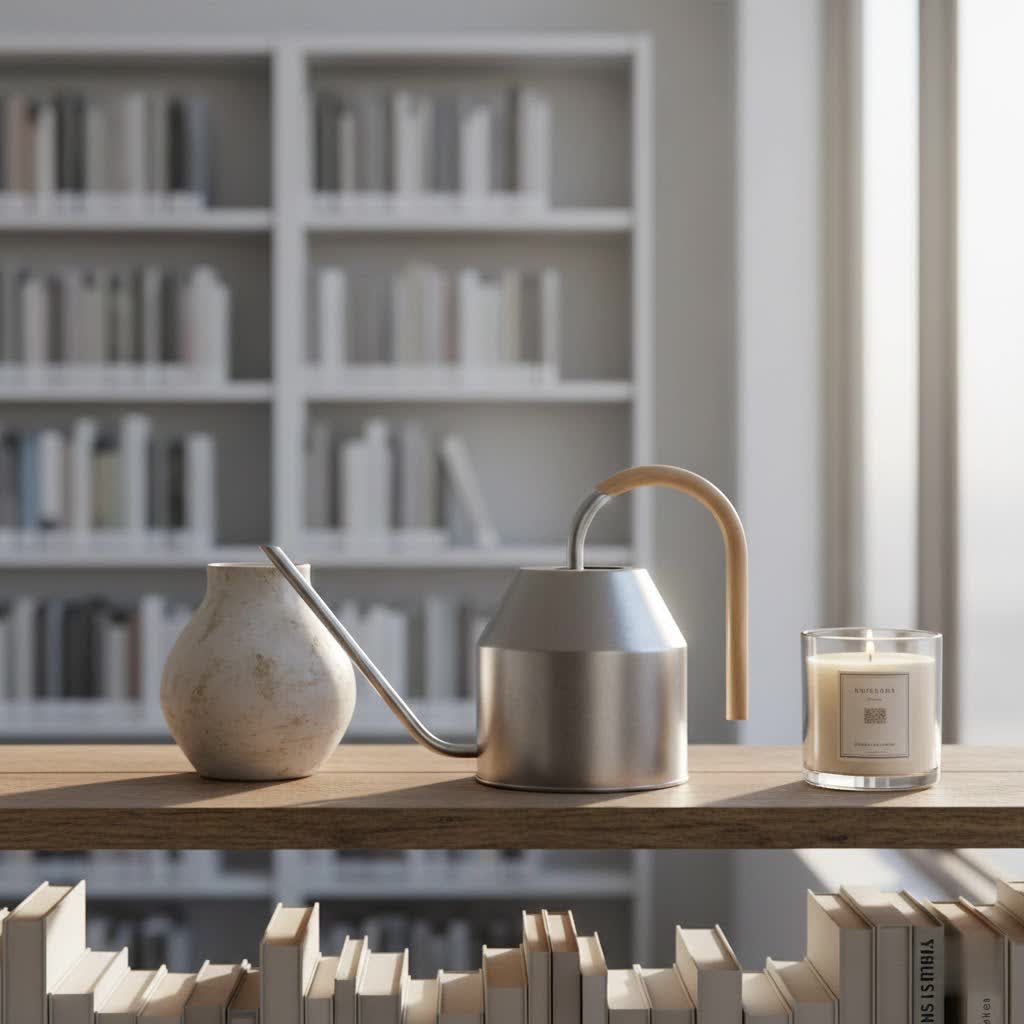
For over a decade, my hands have known the feel of countless watering cans, from humble plastic models to elegant copper masterpieces. As the Admin of ReviewAgile.com and a passionate gardener, I understand that a watering can isn’t merely a tool; it’s an extension of your gardening joy and, for many, a beautiful accent to their green spaces. The challenge often lies in finding a pretty watering can that perfectly marries form and function, a reliable companion that you’re proud to display. This comprehensive guide, steeped in real-world experience, aims to illuminate your path to finding that ideal, aesthetically pleasing watering can, ensuring your plants thrive and your decor shines.
The Allure of a Pretty Watering Can: More Than Just a Tool
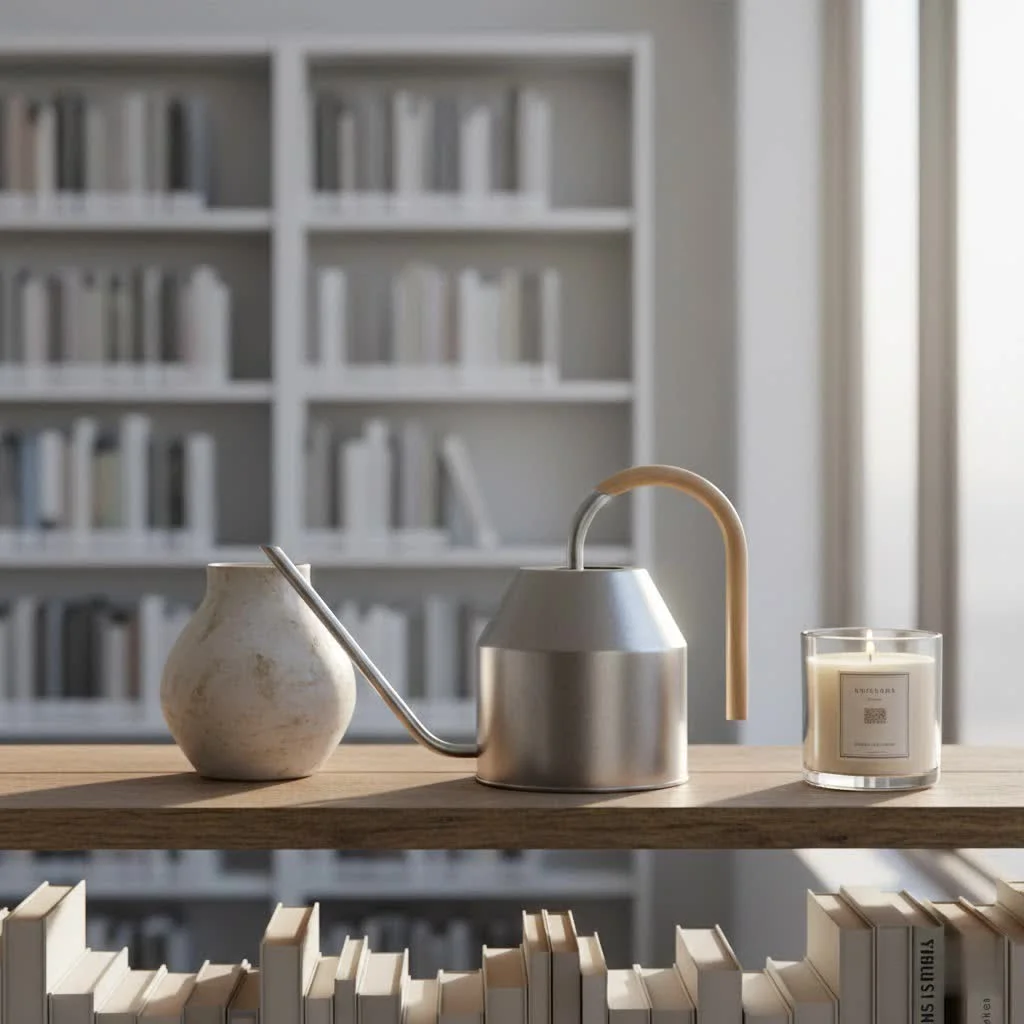
Gone are the days when gardening tools were solely utilitarian, relegated to the shed or hidden from view. Today, a pretty watering can transcends its primary purpose, becoming a statement piece that enhances your home’s aesthetic or complements your garden’s design. It’s about elevating the everyday, transforming a simple chore into a delightful ritual. Imagine a sleek, modern can gracing your living room shelf or a charming, vintage-inspired model adding character to your patio. These visually appealing tools are designed to be seen, encouraging you to nurture your plants while beautifying your environment. For shop curated gardening tools on this site.
Popular Materials for Aesthetic Watering Cans
The material of your watering can significantly influences its appearance, durability, and overall feel. Each option offers a distinct blend of pros and cons, catering to different styles and gardening needs.
Plastic Watering Cans
Plastic watering cans are a perennial favorite due to their practicality. They are notably lightweight, making them easy to carry even when full, and affordable, offering a budget-friendly option for every gardener. You’ll find them in a vast variety of colors and playful designs, adding a pop of personality to your plant care routine. However, plastic can be less durable than metal alternatives, prone to cracking over time, and may fade or become brittle when exposed to prolonged sunlight. While some contemporary plastic designs are quite stylish, they often lack the premium feel of metal or ceramic.
Metal Watering Cans
Metal watering cans embody durability and classic elegance. Options include galvanized steel, known for its rust resistance and robust build, copper, which develops a beautiful, unique patina over time, and stainless steel, favored for its sleek, modern look and excellent longevity. These cans are inherently sturdier and more durable, often lasting for decades with proper care. Their elegant designs make them perfect for both indoor display and outdoor use, adding a touch of sophistication. On the downside, metal cans are generally heavier, especially when full, and can be more expensive than plastic. Copper and un-galvanized steel may also require occasional maintenance to prevent tarnishing or rust.
Ceramic & Glass Watering Cans
For those prioritizing pure aesthetics, ceramic and glass watering cans are true works of art. These materials lend themselves to highly decorative and unique designs, often resembling vases or sculptural pieces. They are excellent for displaying prominently alongside your houseplants, adding an artistic touch to your decor. However, their beauty comes with a trade-off in practicality: they are fragile and prone to breaking if dropped. Ceramic and glass cans also tend to be heavier and typically have smaller capacities, making them best suited for light watering of indoor plants or purely as decorative items. Their higher price point also reflects their artistic value.
Comparing Different Types of Pretty Watering Cans
|
Our Picks for the Best Watering Can in 2026
As an Amazon Associate I earn from qualifying purchases.
|
||
| Num | Product | Action |
|---|---|---|
| 1 | Watering Can for Indoor Plants, 35 oz/1000 ml Metal Stainless Steel Pot with Long Spout for House Plants Bonsai Outdoor Garden Flower Decorative (Black) |

|
| 2 | Watering Can for Indoor and Outdoor Plants - Long Spout Water Can for Garden, Flower, House Plants - 1.8L/1/2 Gallon (Green) |
|
| 3 | Plant Watering Can,35oz Metal Watering Can,Stainless Steel Indoor Plants with Long Curved Spout,Small Bonsai Outdoor Garden Modern Decorative(Black) |
|
| 4 | Watering Can for Indoor Outdoor Plants, Modern Small Watering Cans with Removable Nozzle, Long Spout Watering Can for Indoor Bonsai Plants Garden Flowers 1/2 Gallon 1.8L 60OZ (Dark Green) |
|
| 5 | Small Watering Can for Indoor Plants, Mini Indoor Watering Can with Long Spout and Handle 12 Oz / 350 ml Rust-Proof 304 Stainless Steel Material |
|
| 6 | Long Spout Watering Can Indoor, Small Watering Cans for House Plants, Flowers, Succulents 33.8oz(Green) |
|
| 7 | Indoor Plants Watering Can for Indoor Plants Long Probe Soil Moisture Meter Long Spout 47 oz Watering Cans Water Monitor Indicator for Pot Flower House Gardening Farming |
|
| 8 | 2 Gallon Watering Can, Outdoor Watering Can for Plants, Garden Water Can with Removable Long Spout and Stainless Steel Sprinkler Head, Large Water Can for Greenhouse (Dark Blue, 2 Gallon) |
|
| 9 | 350ml Small Watering Can for Indoor Plants, 12oz Mini Plant Watering Pot with Long Spout and Handle, Black Tiny Stainless Steel Watering-Can for Outdoor Indoor Plants Flower Garden |
|
| 10 | 2 Gallon Watering Can, Garden Watering Can Outdoor, Plant Water Can with Removable Long Spout and Stainless Steel Sprinkler Head, Large Plastic Outdoor Watering Cans for Gardening Flower Plants |
|
Understanding the nuances between materials can help you make an informed decision based on your priorities.
| Feature | Plastic | Metal (e.g., Copper, Steel) | Ceramic/Glass |
|---|---|---|---|
| Durability | Low (prone to cracking/fading) | High (sturdy, long-lasting) | Medium (fragile, easily breakable) |
| Price | Low | Medium – High | High |
| Weight | Light | Heavy | Medium – Heavy |
| Aesthetic Appeal | Medium (colorful, functional) | High (classic, elegant, modern) | Very High (artistic, unique, decorative) |
| Maintenance | Easy (wipe clean) | Moderate (may need polishing, rust prevention) | Delicate cleaning, careful handling |
Watering Can Capacity: Choosing the Right Size for Your Greenery
Selecting the correct capacity for your pretty watering can is crucial for both convenience and effective plant care. The ideal size depends largely on the number and type of plants you have, as well as their location.
- Small Watering Cans (Under 1 Liter): Perfect for your delicate indoor houseplants, succulents, or seedlings. Their compact size and precise flow make them ideal for targeted watering, preventing overwatering of small pots. They are also excellent for propagation stations where careful moisture control is key.
- Medium Watering Cans (1-3 Liters): A versatile choice for balconies, small patios, or an extensive collection of houseplants. This capacity strikes a good balance between holding enough water to minimize refills and remaining manageable to carry and pour, making it suitable for a variety of medium-sized plants.
- Large Watering Cans (Over 3 Liters): Designed for extensive outdoor gardens, larger potted plants, or multiple garden beds. While heavier when full, their generous capacity reduces the frequency of trips to the tap, making them efficient for hydrating larger green spaces and established plants.
Key Design Elements of a Beautiful and Functional Watering Can
Beyond the material and capacity, specific design features elevate a watering can from merely functional to both practical and pretty.
Spout Design: Precision and Gentle Flow
The spout is arguably the most critical feature. A long, narrow gooseneeneck spout is indispensable for precise watering, especially for indoor plants or those with dense foliage. It allows you to deliver water directly to the soil, avoiding splashes on leaves (which can lead to fungal issues) and reaching deep into hanging baskets without awkward spills. For outdoor plants or seedlings, a removable rose (sprinkler head) is beneficial, providing a gentle, rain-like shower that won’t disturb delicate soil or young plants. The ability to switch between a stream and a shower offers excellent versatility.
Ergonomic Handle: Comfort in Your Grip
A comfortable and ergonomic handle makes a world of difference during lengthy watering sessions. Look for handles that are well-balanced and designed for easy gripping, whether with one or two hands, even when the can is full. Features like a smooth, rounded grip or a dual-handle design can significantly reduce strain and improve maneuverability, making the task more enjoyable.
Overall Aesthetics: A Feast for the Eyes
The “pretty” aspect comes down to overall design. Consider the can’s shape, color, and finish. Do you prefer a sleek, minimalist form that blends into a modern interior, or a vintage-inspired shape with a distressed finish for a rustic garden? Many aesthetic cans feature unique silhouettes, intriguing textures, or eye-catching colors that transform them into decorative pieces, rather than just tools to be stored away.
Filling Mechanism: Effortless Refills
While often overlooked, an adequately sized opening for filling is a practical detail. A wider opening allows for easy refills from various water sources—be it a kitchen sink, a rain barrel, or an outdoor tap—without unnecessary spills, making your watering routine smoother and more efficient.
Expert Tips for Selecting Your Ideal Pretty Watering Can
As someone who has navigated the world of watering tools for years, I’ve learned a few crucial tips that go beyond surface-level appeal.
“A well-designed watering can should feel like an extension of your hand, delivering life-giving water with grace and precision.” – ReviewAgile.com Admin
- Prioritize Quality Materials: Opt for durable, non-toxic materials that will stand the test of time and not leach chemicals into your plant’s water. For a truly pretty can, consider the long-term aesthetic, such as how copper develops a rich patina.
- Test Handle Comfort and Spout Flow: If possible, hold the can to assess its balance and handle comfort. Check the spout for an even, controlled flow that won’t drench your plants or spill excessively.
- Consider its Role as a Display Piece: Think about where the watering can will live when not in use. Will it be a functional piece of decor? Choose a design that complements your existing style and makes you happy to see it out in the open.
- Read User Reviews: Gain practical insights from other gardeners. Reviews often highlight real-world issues like rust, awkward handles, or poor water flow that might not be apparent from product photos.
Caring for Your Pretty Watering Can: Maintenance for Lasting Beauty
Even the most beautiful tools need a little care to maintain their charm and functionality.
- Regular Cleaning: After each use, rinse your watering can to prevent mineral buildup, especially if you have hard water. For metal cans, wipe them dry to avoid water spots and potential rust.
- Proper Storage: Store plastic cans out of direct sunlight to prevent fading and material degradation. Metal cans should be kept in a dry, cool place to prevent rust, particularly in humid environments.
- Gentle Handling for Delicate Materials: Ceramic and glass cans require extra care. Avoid banging them against hard surfaces and always place them gently to prevent chips or cracks.
- Occasional Polishing: For copper or brass cans, occasional polishing can restore their original luster if you prefer a shiny finish over a natural patina.
Top 3 Pretty Watering Can Styles We Love
Based on the blend of aesthetics and functionality, here are three popular styles that consistently win over gardeners.
- The Modern Minimalist: Characterized by sleek lines, often in stainless steel or matte powder-coated metal, and a distinctive long, thin gooseneck spout. This style is a favorite for contemporary interiors and offers precise watering for indoor plants.
- The Vintage Copper Charm: Evoking timeless elegance, these cans often feature hammered copper or brass accents, with classic silhouettes. They develop a beautiful, rich patina over time, adding a touch of rustic sophistication to any garden or sunroom.
- The Whimsical Ceramic: These artistic cans come in unique shapes, vibrant colors, or intricate patterns, sometimes resembling animals or abstract sculptures. While typically smaller in capacity and more fragile, they serve as stunning decorative pieces for small indoor plants or shelves.
Comparison: Popular Pretty Watering Can Styles
| Style | Capacity | Material | Aesthetic | Pros | Cons |
|---|---|---|---|---|---|
| Modern Minimalist | 1.5 L | Stainless Steel | Sleek, Contemporary | Durable, rust-resistant, precise pour | Can be heavy when full |
| Vintage Copper | 1-2 L | Copper | Classic, Warm, Patina | Heirloom quality, distinctive look | Requires polishing, higher initial cost |
| Whimsical Ceramic | <1 L | Ceramic | Artistic, Unique | Highly decorative, conversation starter | Fragile, small capacity, often expensive |
Your Guide to Buying a Pretty Watering Can
Navigating the myriad options can be exciting. Here’s a clear roadmap to help you make your final choice:
- Assess Your Needs: Begin by identifying your primary use. Are you watering delicate orchids indoors, or tending to a sprawling outdoor herb garden? Your plants’ needs and the environment will dictate the ideal capacity and spout type.
- Research & Compare Features: Dive into the details. Look at the material’s durability, the handle’s ergonomic design, and the spout’s precision. Compare these features against your gardening requirements.
- Budget Wisely: Pretty watering cans span a wide price range. Affordable plastic options offer functional beauty, while heirloom-quality copper or stainless steel cans are a more significant investment. Determine what you’re willing to spend for the blend of beauty and longevity you desire.
- Read User Reviews: Don’t skip this crucial step. Real-world feedback from other gardeners can reveal valuable insights into a can’s practicality, durability, and whether its aesthetic holds up over time.
- Purchase from Reputable Stores: Whether online or in person, buy from trusted retailers known for quality gardening tools. This ensures you receive a genuine product and have recourse if any issues arise.
Conclusion
A pretty watering can is more than just a vessel for water; it’s a statement of personal style, a testament to your passion for gardening, and a constant reminder of the beauty found in nurturing life. By carefully considering materials, capacity, and design elements, you can select a watering can that not only serves its essential purpose flawlessly but also elevates your living space. Investing in a beautiful watering can transforms a routine task into an enjoyable experience, making your connection with your plants even more profound.
Which beautiful watering can will you choose to grace your green space, blending seamlessly into your world and bringing joy with every drop?
Frequently Asked Questions
What makes a watering can “pretty”?
A watering can is considered “pretty” when its design goes beyond pure utility to become an aesthetic element in your home or garden. This often involves attractive materials like polished copper or sleek stainless steel, unique shapes, vibrant colors, or intricate details that complement your decor style, whether modern, rustic, or whimsical.
Are pretty watering cans as functional as regular ones?
Yes, many pretty watering cans are designed to be highly functional. High-quality models often feature ergonomic handles, precision spouts, and durable materials, ensuring they perform as well as, if not better than, purely utilitarian designs. The key is to find a balance where aesthetics don’t compromise essential features.
Which material is best for a pretty indoor watering can?
For indoor use, materials like stainless steel, copper, and ceramic are popular for their aesthetic appeal. Stainless steel offers a modern, durable, and rust-resistant option. Copper develops a beautiful patina over time, adding vintage charm. Ceramic cans are often artistic and perfect for decorative display, though they are more fragile.
How do I maintain the appearance of a metal watering can?
To maintain the appearance of a metal watering can, especially copper or brass, regular cleaning and occasional polishing can prevent tarnishing. For galvanized steel or powder-coated metal, simply wiping it dry after use and storing it in a cool, dry place will help prevent rust and keep its finish looking new.
Can I use a small decorative watering can for outdoor plants?
While small decorative watering cans are ideal for indoor plants due to their precision and smaller capacity, you can use them for outdoor plants, particularly small potted ones or delicate seedlings. However, for larger outdoor gardens, a larger capacity watering can, often made of more robust materials, would be more practical to reduce refill trips.
Get our weekly buyer guide
Practical specs, not advice. Unsubscribe anytime.
