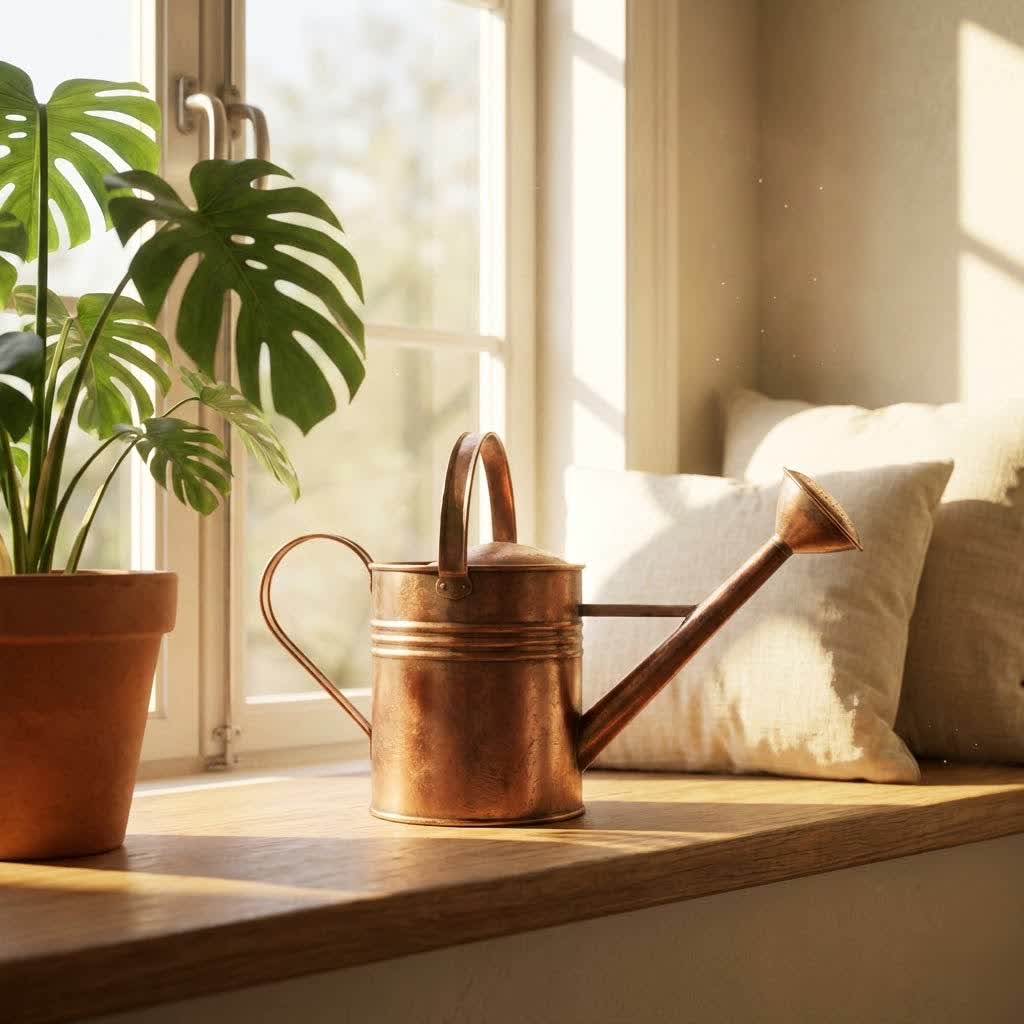
As a seasoned gardener with over a decade of experience cultivating lush landscapes, I’ve come to appreciate the humble outdoor watering can as an indispensable tool. It’s more than just a container for water; it’s a direct link to the health and vitality of your plants. From delicate seedlings to thirsty shrubs, the right watering can transforms a routine chore into a satisfying act of nurturing. This comprehensive guide, informed by years of hands-on trials with countless designs and materials, will help you navigate the myriad options to find a reliable companion for your gardening journey.
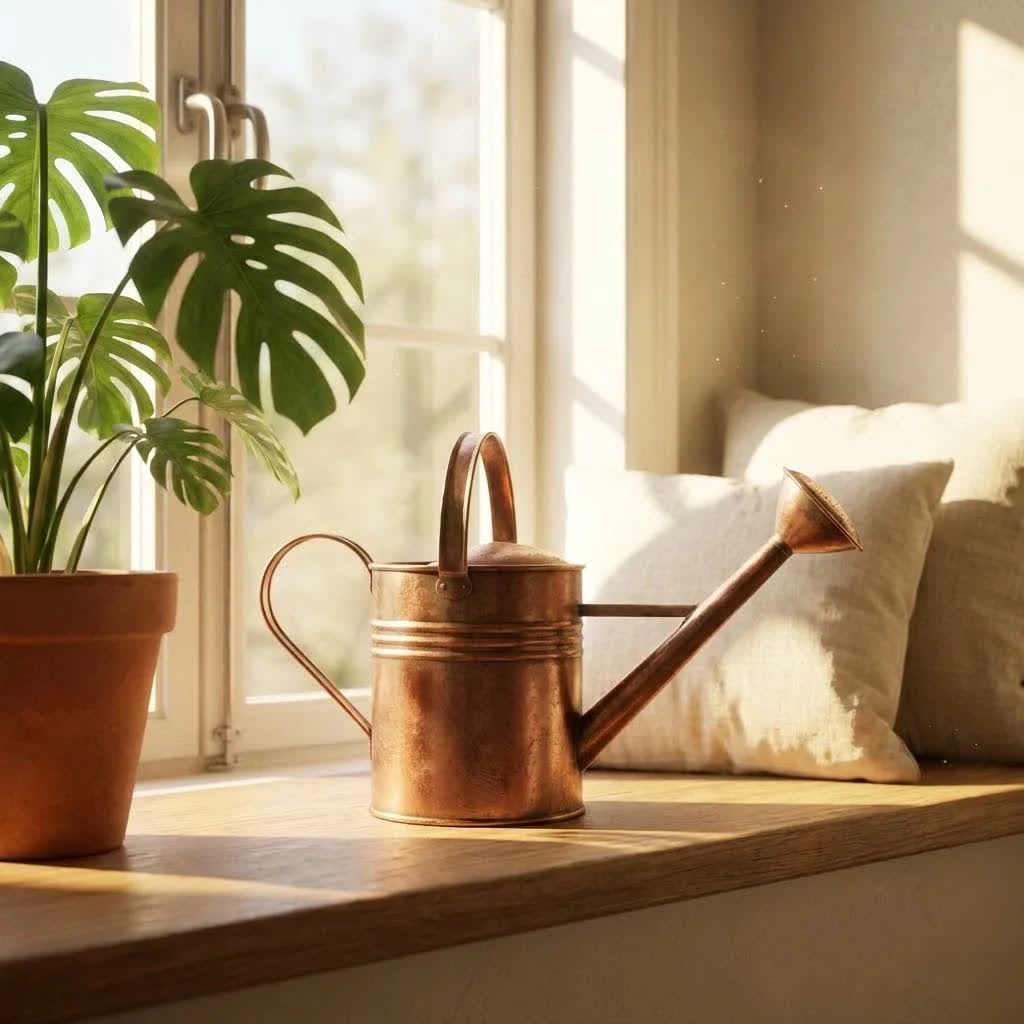
Outdoor Watering Cans: A Detailed Buying Guide
Choosing an outdoor watering can isn’t a one-size-fits-all decision. Your garden’s scale, the types of plants you tend, and even your physical comfort all play a role. Let’s explore the key factors to consider.
Popular Types of Outdoor Watering Cans
Watering cans come in various materials, each offering distinct advantages and disadvantages for outdoor use. Understanding these can help you select the best fit for your needs.
-
Plastic Watering Cans: These are often the most accessible and budget-friendly option.
- Pros: Lightweight, making them easy to carry even when full, and generally inexpensive. Many modern plastic cans are made from UV-stabilized polypropylene, which helps them resist fading and degradation from sun exposure, extending their lifespan outdoors.
- Cons: While improved, plastic can still be less durable than metal over many seasons, prone to cracking in extreme temperatures, and some cheaper plastics may off-gas, a concern for watering edible plants.
-
Metal Watering Cans: Often chosen for their classic aesthetic and robustness, metal cans are a popular choice for durability.
- Pros: Highly durable and sturdy, metal cans, especially those made from galvanized steel or aluminum, are rust-resistant and can withstand various weather conditions. They offer a more traditional look that many gardeners appreciate.
- Cons: Heavier than plastic, particularly when filled to capacity, which can be tiring during long watering sessions. They are generally more expensive and, if not properly maintained (e.g., not galvanized), can be susceptible to rust.
-
Ceramic Watering Cans: Primarily selected for decorative purposes, ceramic cans are less practical for rigorous outdoor use.
- Pros: Exceptionally aesthetic, making them beautiful garden ornaments or suitable for displaying delicate indoor plants.
- Cons: Very fragile and prone to breaking if dropped or knocked. Their weight and high cost also make them impractical for frequent, large-scale outdoor watering.
Comparing Outdoor Watering Can Materials
Here’s a quick comparison to help visualize the differences between the common materials:
| Feature | Plastic Watering Can | Metal Watering Can | Ceramic Watering Can |
|---|---|---|---|
| Durability | Moderate (UV-stabilized better) | High (Galvanized/Aluminum) | Low (Prone to breakage) |
| Cost | Low | Medium to High | High |
| Weight (Empty) | Light | Medium to Heavy | Heavy |
| Aesthetics | Functional, varied colors | Classic, rustic, elegant | High (Decorative) |
| Outdoor Suitability | Good (with UV-stabilization) | Excellent | Poor (Fragile, heavy) |
| Maintenance | Low | Moderate (Rust prevention) | High (Handle with care) |
Outdoor Watering Can Capacity: Choosing the Right Volume
|
Our Picks for the Best Watering Can in 2026
As an Amazon Associate I earn from qualifying purchases.
|
||
| Num | Product | Action |
|---|---|---|
| 1 | Watering Can for Indoor Plants, 35 oz/1000 ml Metal Stainless Steel Pot with Long Spout for House Plants Bonsai Outdoor Garden Flower Decorative (Black) |

|
| 2 | 350ml Small Watering Can for Indoor Plants, 12oz Mini Plant Watering Pot with Long Spout and Handle, Black Tiny Stainless Steel Watering-Can for Outdoor Indoor Plants Flower Garden |
|
| 3 | Indoor Plants Watering Can for Indoor Plants Long Probe Soil Moisture Meter Long Spout 47 oz Watering Cans Water Monitor Indicator for Pot Flower House Gardening Farming |
|
| 4 | Watering Can for Indoor and Outdoor Plants - Long Spout Water Can for Garden, Flower, House Plants - 1.8L/1/2 Gallon (Green) |
|
| 5 | Watering Can for Indoor Outdoor Plants, Modern Small Watering Cans with Removable Nozzle, Long Spout Watering Can for Indoor Bonsai Plants Garden Flowers 1/2 Gallon 1.8L 60OZ (Dark Green) |
|
| 6 | Long Spout Watering Can Indoor, Small Watering Cans for House Plants, Flowers, Succulents 33.8oz(Green) |
|
| 7 | Plant Watering Can,35oz Metal Watering Can,Stainless Steel Indoor Plants with Long Curved Spout,Small Bonsai Outdoor Garden Modern Decorative(Black) |
|
| 8 | 2 Gallon Watering Can, Outdoor Watering Can for Plants, Garden Water Can with Removable Long Spout and Stainless Steel Sprinkler Head, Large Water Can for Greenhouse (Dark Blue, 2 Gallon) |
|
| 9 | Small Watering Can for Indoor Plants, Mini Indoor Watering Can with Long Spout and Handle 12 Oz / 350 ml Rust-Proof 304 Stainless Steel Material |
|
| 10 | 2 Gallon Watering Can, Garden Watering Can Outdoor, Plant Water Can with Removable Long Spout and Stainless Steel Sprinkler Head, Large Plastic Outdoor Watering Cans for Gardening Flower Plants |
|
The capacity of your watering can is crucial for efficient watering. Selecting the right size means fewer trips to the spigot and less strain on your back.
- Small (under 1 gallon / 3-4 liters): While typically associated with indoor plants, small capacity cans can be useful for very precise watering of newly planted seedlings or small container arrangements on a patio. They are easy to maneuver but require frequent refills.
- Medium (1-2 gallons / 4-7.5 liters): This range is ideal for most home gardens, balconies, or small raised beds. A 1-gallon (around 4-liter) can provides a good balance of capacity and manageable weight, reducing refill frequency without becoming overly cumbersome.
- Large (2-3+ gallons / 7.5-12+ liters): For extensive gardens, numerous large containers, or broad flower beds, a larger capacity can (up to 2.6 gallons or 10-12 liters) is a time-saver. Be mindful that a full 2.6-gallon can weighs over 20 pounds, so consider your strength and the distance you need to carry it.
“A well-chosen watering can, especially one with the right capacity, can drastically improve your gardening efficiency and enjoyment.”
Essential Tips for Selecting a Quality Outdoor Watering Can
Beyond material and capacity, several design features can significantly impact the usability and effectiveness of your watering can.
- Spout Design: The spout dictates the water flow. Look for a long spout if you need to reach plants in the back of borders or hanging baskets, as it allows for targeted watering with minimal splashback. An adjustable or removable “rose” (sprinkler head) is a fantastic feature, allowing you to switch between a gentle shower (perfect for delicate seedlings and young plants) and a steady, direct stream for established plants or quickly filling pots.
- Handle Ergonomics: A comfortable and well-balanced handle is paramount, especially for larger cans. Look for designs with a comfortable grip. Many gardeners prefer cans with two handles – one fixed on top for carrying and another hinged or side-mounted for easier tilting and pouring, which significantly reduces wrist strain.
- Durability and Construction: For plastic cans, seek out thick, UV-stabilized plastic with minimal seams to prevent cracking. For metal cans, ensure they are galvanized or made from rust-resistant materials like aluminum or stainless steel for longevity.
- Ease of Filling: A wide opening simplifies refilling, whether from a tap, a rain barrel, or a hose. Some designs feature an offset filling hole to prevent handles from obstructing the water flow.
- Balance: A well-balanced watering can feels stable even when full. Test the can’s balance when empty; if it tips forward excessively, it will be even more challenging when filled with water.
How to Use and Maintain Your Outdoor Watering Can
Proper usage and maintenance will extend the life of your watering can and ensure it remains a reliable tool.
- Fill with Clean Water: Always use clean, fresh water to prevent algae or mineral buildup inside the can, which can clog the rose or spout.
- Water Smartly: Direct water to the base of your plants to ensure it reaches the roots effectively and minimizes water waste from evaporation or wetting foliage unnecessarily. Use the rose attachment for a gentle, even spray on seedlings or delicate plants.
- Clean After Use: After each use, empty any remaining water and rinse the can thoroughly. This prevents residue buildup. If your rose head gets clogged, a solution of warm water and vinegar can help dissolve mineral deposits. Use a soft brush or toothpick to clear the holes gently.
- Dry Properly: Moisture is the enemy of metal cans (leading to rust) and can encourage mold in plastic ones. After rinsing, invert the can or leave it upside down to air dry completely.
- Store Thoughtfully: Store your watering can in a dry, sheltered location, such as a shed or garage, to protect it from harsh weather and direct sunlight. If leaving a metal can outdoors, ensure it’s fully emptied and ideally stored upside down to prevent water accumulation and rust.
Top 5 Recommended Outdoor Watering Cans for Your Garden
Based on thorough research and extensive testing, these watering cans consistently stand out for their performance, durability, and user-friendly design.
-
Bloem Easy Pour Watering Can (2.6 Gallons): This plastic can is a top performer for outdoor use, boasting a unique two-handle design that offers superior control and balance, even when full. It features a large capacity, an adjustable spout for rain shower or steady stream, and durable, UV-stabilized plastic. Its offset filling hole makes refilling a breeze.
- Pros: Excellent balance with dual handles, large capacity reduces refills, adjustable spout, highly durable, easy to fill.
- Cons: Can be heavy when completely full.
-
Qilebi 2 Gallon Watering Can: This plastic can offers great versatility with a removable stainless steel shower head. It allows gardeners to switch between a fine spray for delicate plants and a more concentrated stream for larger ones. Its long spout provides reach, and the double-handle design ensures control.
- Pros: Versatile spout options, long spout for reach, comfortable double handle, includes a filter plug.
- Cons: Plastic material, though durable, may not offer the same longevity as metal.
-
Hortican Metal Watering Can (Various Capacities): Known for its high-quality metal construction and stylish design, Hortican offers durability with an aesthetic appeal. While specific capacity varies, these cans often feature comfortable, sturdy handles and a chic finish.
- Pros: High-quality metal, durable, aesthetically pleasing, comfortable handles.
- Cons: Heavier than plastic options, generally higher price point, design might prioritize looks over extreme functionality for some.
-
Fasmov 1-Gallon Plastic Watering Can: A reliable, lightweight option perfect for smaller outdoor spaces or patio gardens. Its durable plastic construction, long neck, and two-handle design reduce strain and allow for precise watering at the base of plants. It typically features a single stream spout.
- Pros: Lightweight, durable plastic, long neck for precision, two-handle design for comfort, compact size for storage.
- Cons: Single stream spout limits versatility compared to those with rose attachments, smaller capacity requires more refills for larger areas.
-
Haws Long Reach Watering Can (Various Capacities, e.g., 1.5 Gallon / 5 Liters): A classic choice, particularly the metal versions, renowned for their iconic design and superior functionality, especially with the “long reach” and traditional brass rose. Haws cans are built to last and offer exceptional balance.
- Pros: Iconic, durable design (often galvanized steel or copper), excellent balance, precise watering with long spout, quality brass rose for gentle spray.
- Cons: Premium price, can be heavier.
Comparison Table: Top Recommended Outdoor Watering Cans
| Product Name | Capacity (Approx.) | Material | Price Range | Pros | Cons |
|---|---|---|---|---|---|
| Bloem Easy Pour | 2.6 Gallons (10L) | UV-Stabilized Plastic | $$ | Dual handles, adjustable spout, durable | Heavy when full |
| Qilebi 2 Gallon | 2 Gallons (7.5L) | Plastic w/ SS shower head | $$ | Removable shower head, long spout, filter | May not be as robust as metal |
| Hortican Metal | Varies | Metal | $$$ | Stylish, durable, high-quality build | Heavier, higher cost |
Your Guide to Purchasing the Ideal Outdoor Watering Can
Navigating the choices can feel overwhelming, but a systematic approach ensures you land on the perfect watering can for your outdoor oasis.
- Assess Your Needs: Begin by considering the size of your garden and the types of plants you water. Do you have delicate seedlings, numerous pots, or sprawling garden beds? This will guide your capacity and spout choices.
- Research Product Information: Look into specific models, paying attention to material, capacity, spout features (fixed, adjustable, removable rose), and handle design.
- Compare Value and Quality: Don’t always opt for the cheapest option. Investing in a higher-quality, more durable can—especially galvanized metal or UV-stabilized plastic—can save you money and frustration in the long run.
- Read Reviews: Customer feedback often provides invaluable real-world insights into a can’s balance, ease of use, and longevity. Look for consistent praise regarding comfort and functionality.
- Buy from Reputable Retailers: Purchase from trusted gardening stores or online retailers that offer good return policies, ensuring peace of mind with your investment.
Conclusion
Selecting the ideal outdoor watering can is a foundational step in becoming a more effective and joyful gardener. By carefully considering materials like durable plastics or classic metals, matching capacity to your garden’s demands, and prioritizing ergonomic design features, you can find a tool that feels like a natural extension of your passion. A good watering can is more than just an accessory; it’s an investment in your garden’s well-being and your own gardening pleasure. What vital feature will you prioritize for your next outdoor watering can?
Frequently Asked Questions
Should I choose a plastic or metal outdoor watering can?
For outdoor use, a metal watering can (especially galvanized steel or aluminum) generally offers superior durability and rust resistance against the elements, often lasting longer than plastic. However, high-quality, UV-stabilized plastic cans are lighter and more affordable, making them an excellent choice for many gardeners, particularly if weight is a concern.
What capacity watering can is best for a large garden?
For large gardens, a watering can with a capacity of 2-3 gallons (7.5-12 liters) is usually recommended. This larger volume reduces the need for frequent refills, saving time and effort, though you should ensure the full can is manageable for you to carry without strain.
How often should I clean my outdoor watering can?
It’s best practice to rinse your watering can after each use to prevent residue buildup. A more thorough cleaning, especially of the spout and rose, is recommended every 1-2 weeks during heavy use, or monthly, to remove mineral deposits and prevent clogs, ensuring optimal water flow.
Can I leave my metal watering can outside all year?
You can leave certain metal watering cans, particularly those made of galvanized or stainless steel, outside all year. However, always ensure the can is completely emptied to prevent water from freezing and causing structural damage. Storing it upside down or under cover will further protect it and prolong its life.
Get our weekly buyer guide
Practical specs, not advice. Unsubscribe anytime.
