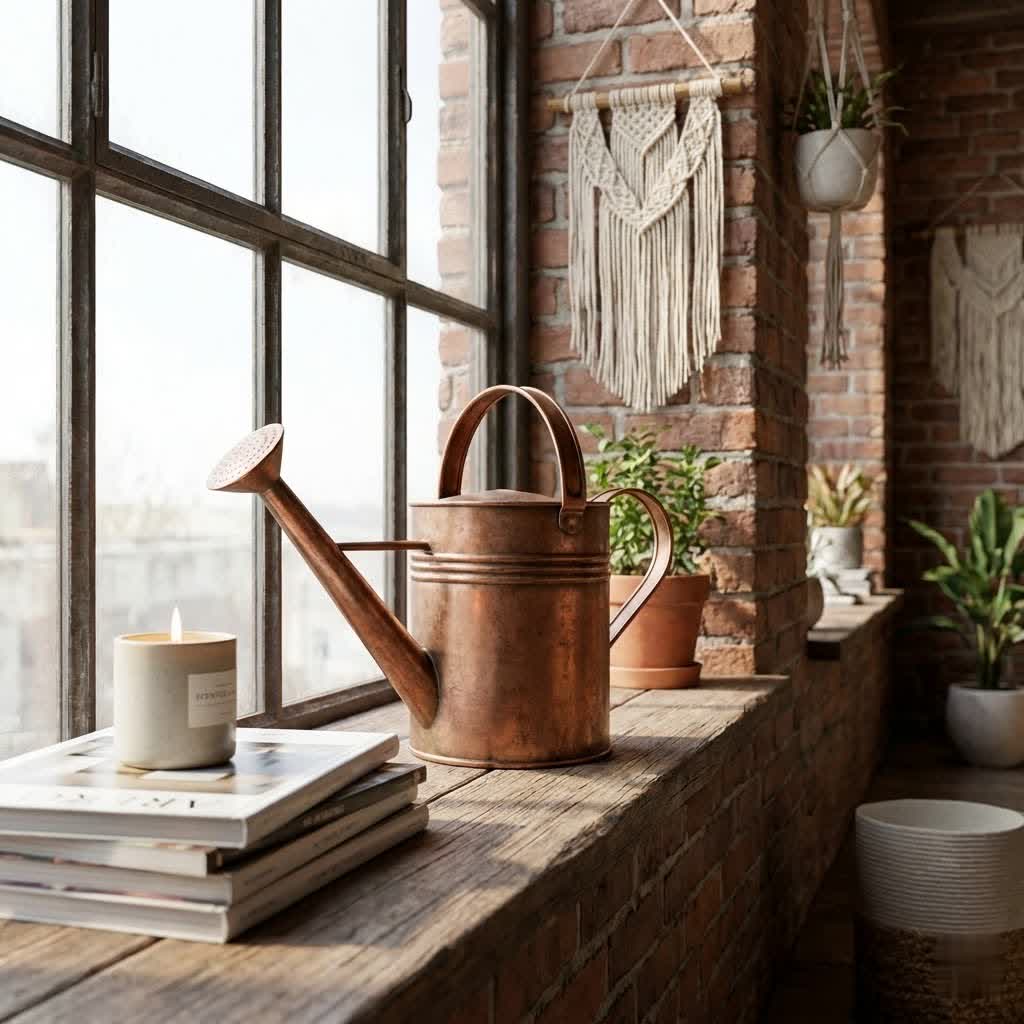
Caring for indoor plants brings immense joy, transforming your living space into a vibrant, serene oasis. Yet, many plant enthusiasts face a common challenge: delivering just the right amount of water without making a mess or harming delicate foliage. With over a decade of experience nurturing thriving indoor gardens, I understand the nuances of this essential task. This guide dives deep into everything you need to know about indoor plant watering cans, sharing practical wisdom to help you choose a reliable companion for your green companions. From material selection to ergonomic design, we’ll ensure your watering routine becomes a seamless, satisfying part of your plant care journey.
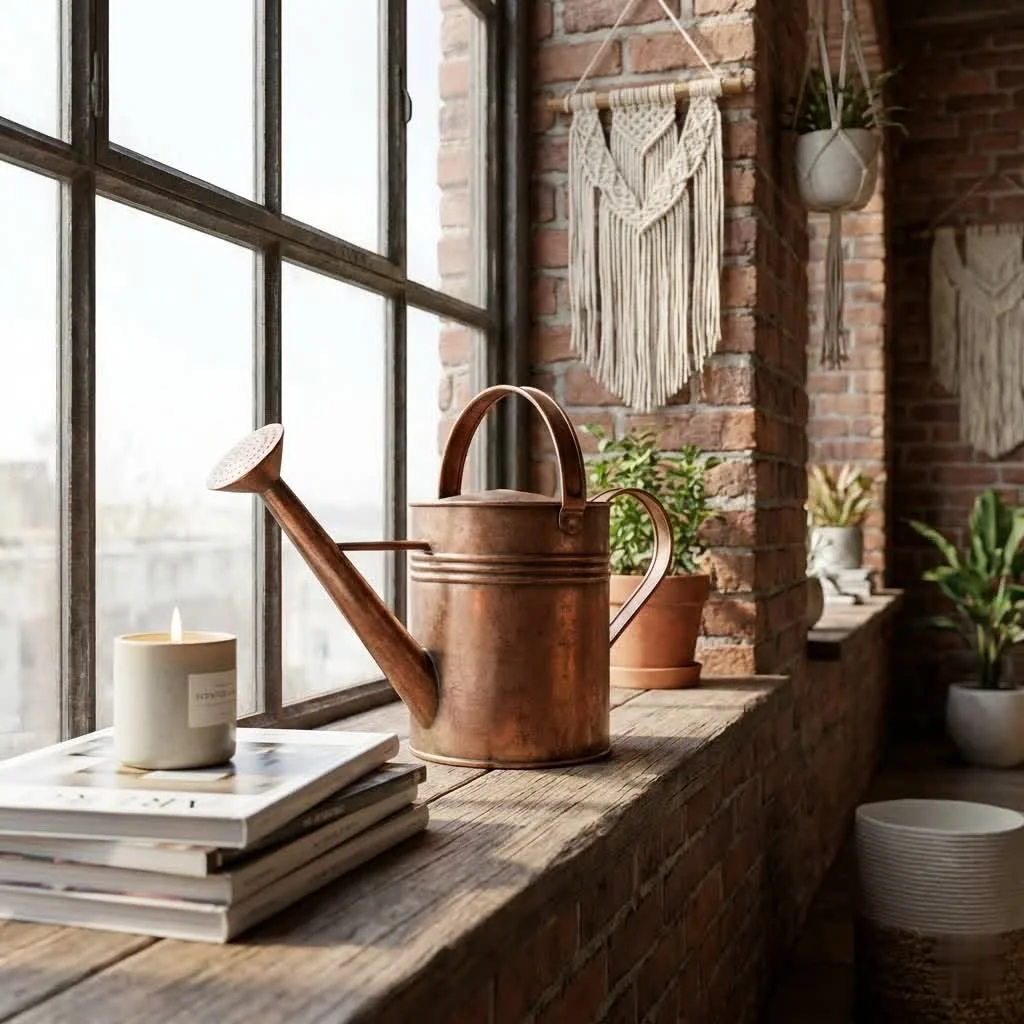
Indoor Plant Watering Cans: A Detailed Buying Guide
Selecting the ideal indoor plant watering can is more than just picking a pretty accessory; it’s about finding a functional tool that supports the health and longevity of your houseplants. The right can makes precision watering effortless, prevents common issues like overwatering, and enhances the overall enjoyment of your gardening routine. Let’s explore the key factors to consider, ensuring you make an informed choice that caters to both your plants’ needs and your personal style.
Types of Indoor Watering Cans
Indoor watering cans come in a variety of materials, each offering distinct advantages and considerations. Understanding these differences will help you align your choice with your priorities, whether they be durability, aesthetics, or ease of use.
Plastic Watering Cans
Plastic watering cans are a popular choice for their practical benefits. They are typically lightweight, making them easy to carry and maneuver, even when full. Their affordability and wide availability also make them an accessible option for beginners and seasoned plant parents alike. Moreover, plastic is naturally rust-resistant, contributing to their longevity.
- Pros: Lightweight, affordable, widely available, rust-resistant, easy to handle.
- Cons: Less durable than metal, can degrade and become brittle over time with UV exposure (though less a concern for indoor use), may crack if mishandled, often less aesthetically pleasing.
Metal Watering Cans
Metal watering cans, often crafted from stainless steel, copper, or galvanized steel, offer a blend of durability and timeless elegance. They are sturdy and built to last, providing a reliable tool for years of plant care. The classic designs and various finishes can also serve as a beautiful decorative element in your home.
- Pros: Highly durable, long-lasting, sturdy, aesthetically pleasing, resistant to UV damage.
- Cons: Heavier than plastic, can be more expensive, some metals may rust if not properly maintained or if their protective coating is scratched.
Ceramic Watering Cans
Ceramic watering cans are chosen primarily for their exquisite aesthetic appeal. They can be beautiful, sculptural pieces that enhance your home decor, making plant care feel more luxurious. Often handmade, they bring an artisanal touch to your indoor garden.
- Pros: High aesthetic value, decorative, unique designs, eco-friendly materials (if properly sourced).
- Cons: Fragile and prone to breaking if dropped, typically heavier, generally more expensive, best suited for occasional use due to fragility.
Comparing Different Indoor Watering Can Materials
|
Our Picks for the Best Watering Can in 2026
As an Amazon Associate I earn from qualifying purchases.
|
||
| Num | Product | Action |
|---|---|---|
| 1 | 2 Gallon Watering Can, Outdoor Watering Can for Plants, Garden Water Can with Removable Long Spout and Stainless Steel Sprinkler Head, Large Water Can for Greenhouse (Dark Blue, 2 Gallon) |

|
| 2 | 350ml Small Watering Can for Indoor Plants, 12oz Mini Plant Watering Pot with Long Spout and Handle, Black Tiny Stainless Steel Watering-Can for Outdoor Indoor Plants Flower Garden |
|
| 3 | Small Watering Can for Indoor Plants, Mini Indoor Watering Can with Long Spout and Handle 12 Oz / 350 ml Rust-Proof 304 Stainless Steel Material |
|
| 4 | Watering Can for Indoor Outdoor Plants, Modern Small Watering Cans with Removable Nozzle, Long Spout Watering Can for Indoor Bonsai Plants Garden Flowers 1/2 Gallon 1.8L 60OZ (Dark Green) |
|
| 5 | Indoor Plants Watering Can for Indoor Plants Long Probe Soil Moisture Meter Long Spout 47 oz Watering Cans Water Monitor Indicator for Pot Flower House Gardening Farming |
|
| 6 | Watering Can for Indoor Plants, 35 oz/1000 ml Metal Stainless Steel Pot with Long Spout for House Plants Bonsai Outdoor Garden Flower Decorative (Black) |
|
| 7 | Long Spout Watering Can Indoor, Small Watering Cans for House Plants, Flowers, Succulents 33.8oz(Green) |
|
| 8 | 2 Gallon Watering Can, Garden Watering Can Outdoor, Plant Water Can with Removable Long Spout and Stainless Steel Sprinkler Head, Large Plastic Outdoor Watering Cans for Gardening Flower Plants |
|
| 9 | Plant Watering Can,35oz Metal Watering Can,Stainless Steel Indoor Plants with Long Curved Spout,Small Bonsai Outdoor Garden Modern Decorative(Black) |
|
| 10 | Watering Can for Indoor and Outdoor Plants - Long Spout Water Can for Garden, Flower, House Plants - 1.8L/1/2 Gallon (Green) |
|
| Feature | Plastic Watering Can | Metal Watering Can | Ceramic Watering Can |
|---|---|---|---|
| Durability | Low – Medium | High | Medium (Fragile) |
| Price | Low | Medium – High | High |
| Weight | Light | Heavy | Medium – Heavy |
| Aesthetics | Low – Medium | Medium – High | High |
| Rust Resistance | High | Medium (if treated) | High |
| UV Resistance | Low (for outdoor use) | High | High |
| Recyclability | Yes (depending on type) | Yes | No (difficult to recycle) |
Indoor Watering Can Capacity: Finding Your Ideal Size
The capacity of your watering can significantly impacts your watering efficiency and comfort. Choosing the right size ensures you have enough water for your plants without it becoming too cumbersome to carry.
Small Watering Cans (Under 1 Liter)
Small watering cans, typically holding less than 1 liter (or 1 quart), are perfect for tiny succulents, individual small potted plants, or delicate seedlings. Their compact size makes them easy to store and ideal for those with limited space or a modest plant collection.
- Best for: Small plant collections, windowsills, desks, precise watering of miniature plants.
Medium Watering Cans (1-3 Liters)
For most indoor plant enthusiasts, a medium-sized watering can, ranging from 1 to 3 liters, strikes an excellent balance. This capacity provides enough water for a handful of average-sized houseplants without requiring constant refills or becoming too heavy to comfortably lift and pour. Many prefer a 1-2 liter can for regular indoor use.
- Best for: Moderate plant collections, apartments, general daily watering.
Large Watering Cans (Over 3 Liters / 1 Gallon)
While less common for purely indoor use, larger watering cans (over 3 liters or 1 gallon) are suitable if you have an extensive indoor jungle, numerous sizable plants, or frequently move plants outdoors for watering. Be mindful that these can be quite heavy when full, potentially leading to wrist strain.
- Best for: Large indoor plant collections, combining with outdoor patio plants, minimizing refills.
Essential Features for a Quality Indoor Watering Can
Beyond material and capacity, several design features contribute to a watering can’s effectiveness and your overall watering experience. Prioritizing these elements will ensure you select a tool that performs exceptionally.
Material Durability
Even within a material type, quality varies. For plastic, look for sturdy, thicker plastics with minimal seams to prevent weak points. For metal, seek out rust-resistant or rust-proof treatments, especially for galvanized steel or iron, as they will be in constant contact with water. Copper and stainless steel are inherently more resistant to corrosion. A well-constructed can will endure years of use.
Spout Design for Precision
A long, narrow spout is arguably the most crucial feature for an indoor watering can. It allows you to:
- Reach deep into foliage: Deliver water directly to the soil line, even for bushy plants, without wetting the leaves.
- Prevent overwatering: Control the water flow with precision, delivering just the right amount to the roots.
- Avoid splashing: Keep water off delicate leaves, which can prevent fungal diseases and mineral build-up.
- Access tight spaces: Effortlessly water plants nestled closely together or in hanging baskets.
Some cans also come with a “rose” (a sprinkler head attachment) for a gentle, even shower, ideal for seedlings or plants that prefer a softer watering.
Ergonomic Handle and Balance
A comfortable handle can make all the difference, especially if you have many plants to water. Look for:
- Ergonomic grips: Designed to fit naturally in your hand, reducing fatigue and strain.
- Balanced design: A can that feels stable and balanced when full will be easier to pour accurately. Some designs feature dual handles, one for carrying and one for tilting, providing superior control and weight distribution.
- Smooth construction: Avoid handles with rough seams that can dig into your hand.
Other Thoughtful Features
Consider these additional attributes for enhanced functionality:
- Wide filling mouth: Makes refilling quick and easy without spills.
- Stability: A wide base prevents the can from tipping over easily, especially when full.
- Filter plug: Some advanced models include a filter in the spout to prevent debris from clogging.
- Measurement markings: Useful for mixing liquid fertilizers accurately.
Using and Maintaining Your Indoor Watering Can
A great watering can is an investment in your plant care routine. Proper use and maintenance will ensure it serves you and your plants well for years to come.
Proper Watering Techniques
Using your watering can effectively goes beyond simply pouring water. Always aim the long spout directly at the soil around the base of the plant, avoiding the foliage. This direct approach ensures water reaches the roots where it’s needed most and minimizes the risk of fungal issues caused by wet leaves. Water slowly and evenly, allowing the soil to absorb moisture gradually. For plants that prefer bottom watering, your can is still useful for filling a tray or saucer.
“A well-designed watering can with a long, narrow spout and controlled flow ensures you never pour too much at once, preventing the number one cause of houseplant decline: overwatering.”
Regular Cleaning and Storage
To prevent the buildup of algae, mold, and mineral deposits, it’s vital to clean your watering can regularly.
- Rinse weekly: After each use, empty any leftover water and give the can a quick rinse.
- Deep clean monthly: Use a mild soap and warm water, or a vinegar solution, to scrub the inside of the can and the spout. A small brush can help reach inside the spout. Rinse thoroughly to remove all soap residue.
- Storage: Store your clean, dry watering can in a cool, dry place, away from direct sunlight, which can degrade plastic over time. Storing it empty also prevents stagnant water from becoming a breeding ground for bacteria or algae.
Top 5 Indoor Watering Cans for Every Plant Parent
While specific product names can change, here are five types of watering cans that exemplify the best features for indoor plant care, ensuring you find one that fits your unique needs and preferences.
- The Precision Pourer (Long Spout Metal): This classic style features a sleek metal body (often stainless steel or copper) and an exceptionally long, thin spout. It’s ideal for reaching deep into dense foliage or watering hanging plants without dripping. Its elegant design also makes it a beautiful home decor piece.
- The Lightweight Workhorse (Durable Plastic): Designed for practicality, this type prioritizes lightweight durability. Made from high-quality, shatter-resistant plastic, it’s easy to carry and maneuver, perfect for those with a large collection or who prefer a less strenuous watering experience. Often comes with a comfortable handle and a transparent body to gauge water levels.
- The Stylish Statement (Designer Metal/Ceramic): For those who view their watering can as an extension of their interior design, this category offers artistic flair. These cans might feature unique shapes, vibrant colors, or premium finishes like brushed brass or handcrafted ceramic, blending seamlessly with your home aesthetics while still providing good functionality.
- The Ergonomic Champion (Dual Handle): Featuring an innovative dual-handle design—one for carrying and one for pouring—this type offers superior balance and control, especially when the can is full. It significantly reduces wrist strain, making watering a more comfortable experience for extended sessions.
- The Versatile Performer (Adjustable Spout/Rose): This can offers flexibility with a removable or adjustable spout attachment, allowing you to switch between a precise stream for direct soil watering and a gentle rose spray for delicate seedlings or ferns. It’s a great all-rounder for varied plant needs.
Indoor Watering Can Comparison Table
| Feature | Precision Pourer | Lightweight Workhorse | Stylish Statement | Ergonomic Champion | Versatile Performer |
|---|---|---|---|---|---|
| Material | Metal (SS/Copper) | Durable Plastic | Metal/Ceramic | Plastic/Metal | Plastic/Metal |
| Capacity | 1-2 Liters | 1-3 Liters | 0.5-2 Liters | 1-3 Liters | 1-2 Liters |
| Spout Design | Extra long, narrow | Long, thin | Aesthetically integrated | Long, controlled flow | Adjustable/Rose option |
| Handle | Comfortable single | Lightweight, molded | Often decorative | Dual, balanced | Comfortable single/dual |
| Best For | Delicate, hanging plants | Large collections, comfort | Decor-focused users | Extended watering sessions | Diverse plant types |
How to Choose the Right Indoor Watering Can for Your Home
With so many options, narrowing down the perfect indoor watering can requires a thoughtful approach. Consider these steps to find your ideal watering partner.
- Assess Your Plant Collection: How many plants do you have? Are they mostly small succulents, large leafy greens, or a mix? This will guide your decision on capacity and spout precision. For a few small plants, a smaller, more decorative can might suffice. For a sprawling indoor jungle, consider a medium-capacity can with excellent ergonomics.
- Consider Your Space and Style: Will the watering can be stored discreetly or displayed openly? If it’s visible, its aesthetic appeal becomes important. Match the material and design to your home’s decor. If space is tight, a compact design is preferable.
- Prioritize Functionality and Comfort: Don’t let aesthetics completely overshadow practicality. A beautiful can that’s difficult to hold or pour from will quickly become a nuisance. Test the handle grip, gauge the weight when potentially full, and ensure the spout offers the control you need. Overwatering is the number one cause of houseplant demise, so precision is key.
- Read Reviews and Choose Reputable Brands: While I haven’t listed specific brand names to keep the advice timeless, doing your own research on current market offerings and customer reviews can provide valuable insights into durability, ease of use, and overall satisfaction for any given product. Brands known for quality gardening tools often produce reliable watering cans.
Conclusion
Choosing the right indoor plant watering can is an important step in mastering the art of houseplant care. It’s not just about transferring water; it’s about providing precise hydration, protecting delicate foliage, and making your plant care routine a joyful, effortless experience. By considering the material, capacity, spout design, and handle comfort, you can find a watering can that perfectly matches your needs and aesthetic preferences. This essential tool will empower you to nourish your plants effectively, contributing to their health and the serene ambiance of your home. So, which watering can will become your trusted partner in cultivating a thriving indoor oasis?
Frequently Asked Questions
Should I choose a plastic or metal indoor plant watering can?
The choice between plastic and metal depends on your priorities. Plastic cans are lightweight, affordable, and rust-resistant, making them excellent for beginners or those seeking ease of use. Metal cans, particularly stainless steel or copper, offer superior durability, a more elegant aesthetic, and often better balance, appealing to those who value longevity and style.
What is the best capacity for an indoor watering can?
For most indoor plant enthusiasts, a watering can with a 1 to 2-liter capacity is ideal. This size strikes a balance between being light enough to handle comfortably and holding enough water to hydrate several plants without constant refilling. Smaller capacities (under 1 liter) are best for very small plants or succulents, while larger ones can become too heavy for regular indoor use.
Why is a long spout important for an indoor watering can?
A long, narrow spout is crucial for indoor plant watering cans because it allows for precise water delivery directly to the soil, even in dense foliage or tight pots. This prevents water from splashing onto leaves, which can lead to fungal diseases or unsightly mineral deposits, and ensures that the roots receive the moisture they need without disturbing the plant or creating a mess.
How often should I clean my indoor watering can?
It is recommended to rinse your indoor watering can after each use to prevent stagnant water and minor buildup. For a deeper clean, wash it with a mild soap and water or a vinegar solution monthly. Regular cleaning helps prevent the accumulation of algae, mold, and mineral deposits, ensuring your water remains clean and your can functions optimally.
Can I use a regular drinking pitcher instead of a watering can for my houseplants?
While a regular drinking pitcher can temporarily serve the purpose, it lacks the specialized design of a watering can. Pitchers typically have wider spouts that make precision watering difficult, often leading to spills, overwatering, and wetting of foliage. A dedicated watering can with a long, narrow spout provides the control and accuracy necessary for healthy indoor plant care.
Get our weekly buyer guide
Practical specs, not advice. Unsubscribe anytime.
