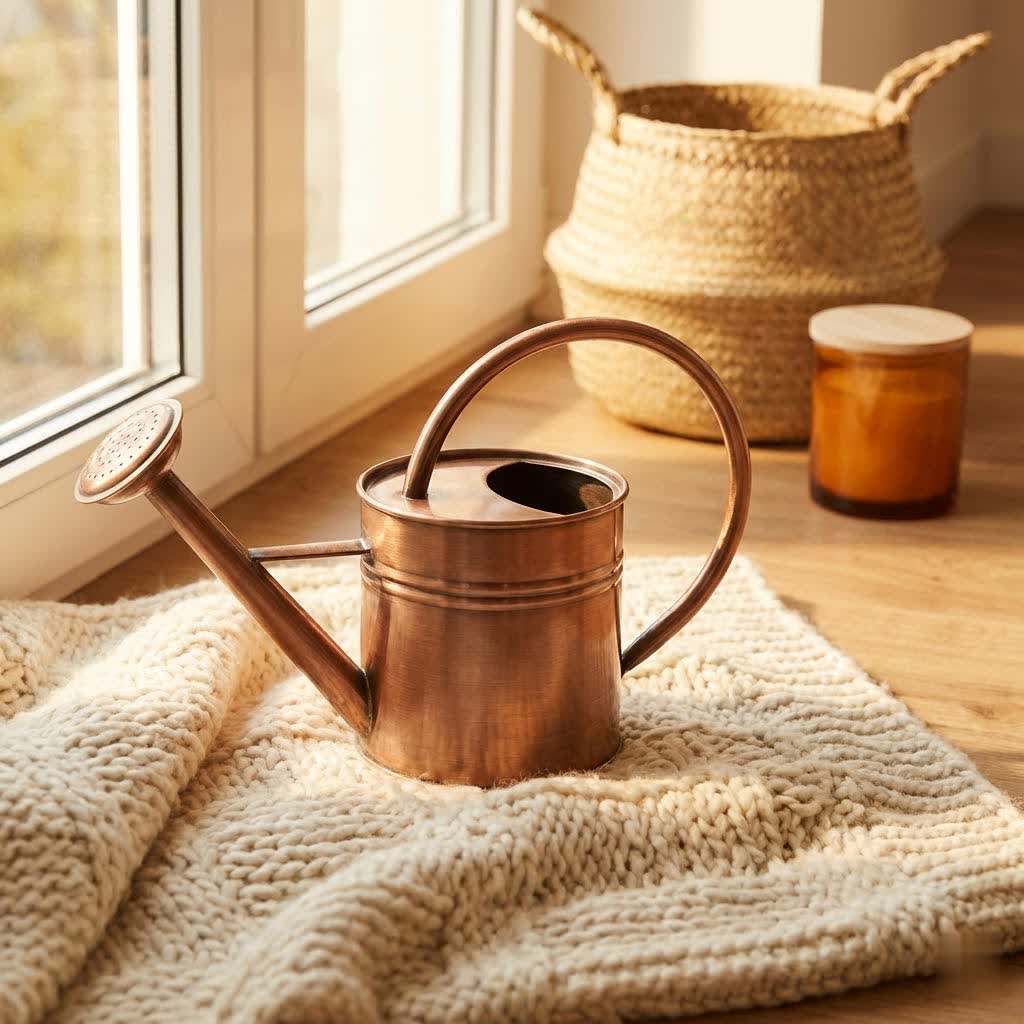
For over a decade, navigating the world of gardening tools, especially watering cans, has been my passion. I understand the challenges gardeners face when selecting the perfect vessel to nourish their plants. This guide aims to be your trusted companion, offering insights and practical advice to help you find a large watering can that truly fits your needs, transforming a chore into a seamless experience.
Types of Big Watering Cans: Which Material is Right for You?
Choosing the right material for your big watering can is crucial, impacting its durability, weight, and aesthetic appeal. Each type offers distinct advantages and disadvantages, catering to different gardening styles and preferences. For see our gardening tools recommendations on this site.
Plastic Big Watering Cans
Plastic watering cans are a common sight in many gardens, primarily due to their accessibility and lightweight nature. They come in a vast array of colors and designs, making them a fun and practical choice for many gardeners.
- Pros: They are generally lightweight even when empty, making them easier to carry around larger gardens, and are usually more affordable than their metal or ceramic counterparts. Their varied designs and colors also add a touch of personality to your gardening tools.
- Cons: Plastic cans are often less durable and can become brittle over time, especially when exposed to harsh sunlight and extreme temperatures, leading to cracking and fading. Some cheaper models might also lack the sturdiness required for heavy-duty use.
Metal Big Watering Cans
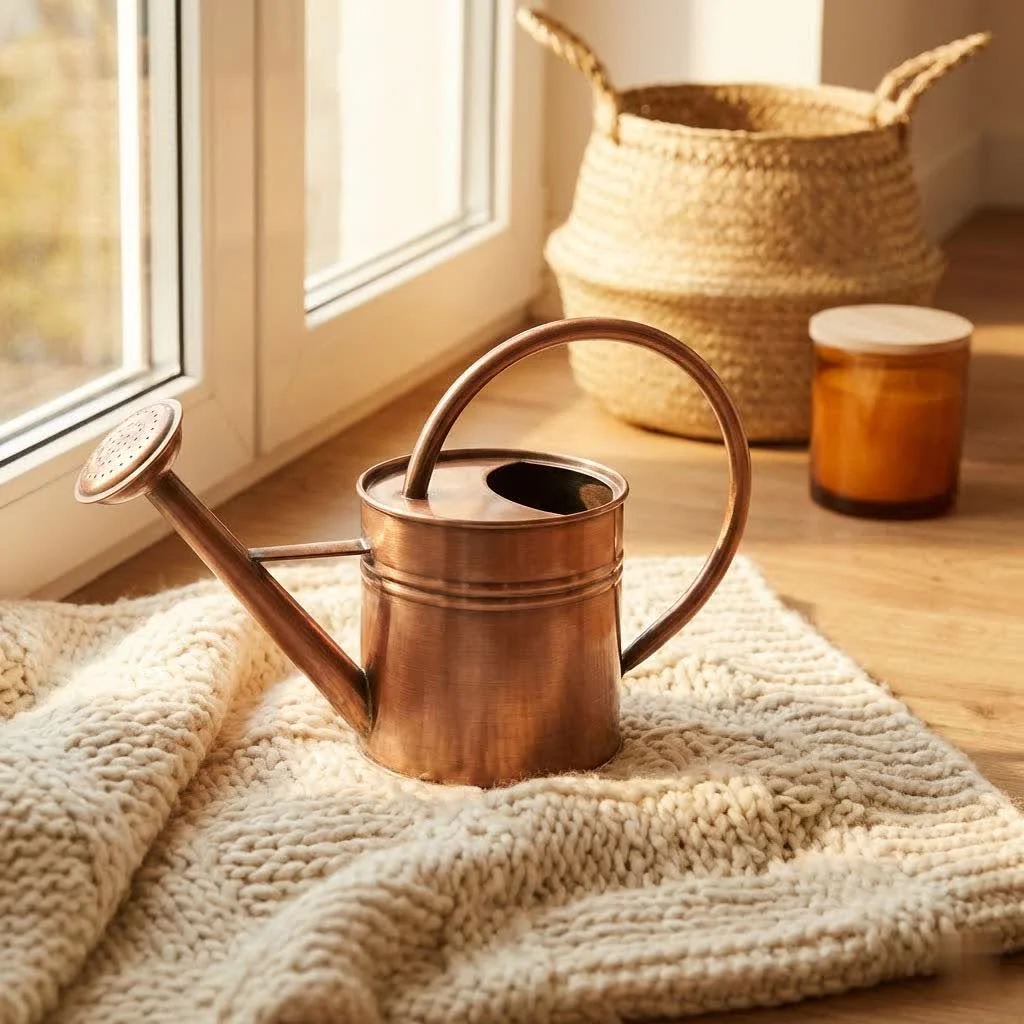
Metal watering cans, including those made from galvanized steel, stainless steel, or copper, embody a classic aesthetic combined with robust construction. They are often seen as an investment piece that can last for many years.
- Pros: Renowned for their exceptional durability and sturdiness, metal cans are built to withstand the rigors of outdoor gardening. They offer a classic, often decorative look that can enhance your garden’s appeal, with materials like copper developing a beautiful patina over time. Stainless steel versions are particularly rust-resistant.
- Cons: Their primary drawback is their weight, which can be substantial, especially when filled to capacity, potentially causing strain during prolonged use. Galvanized steel and copper cans can be prone to rust if their protective coating is scratched or if not properly maintained, and they generally come with a higher price tag.
Ceramic Big Watering Cans
While less common for truly “big” capacities, ceramic watering cans are prized for their artistry and decorative qualities. They tend to be more of a statement piece for smaller-scale indoor or patio gardening.
- Pros: The main advantage of ceramic cans is their high aesthetic appeal, often featuring intricate designs and glazes that make them beautiful decorative objects. Their heft also provides stability during watering.
- Cons: Ceramic is inherently fragile, making these cans susceptible to breakage if dropped, and their weight can be considerable. They are typically more expensive and less practical for large, demanding outdoor watering tasks.
Comparing Big Watering Can Materials
To help you make an informed decision, here’s a comparison of the most common materials for big watering cans:
| Feature | Plastic Big Watering Can | Metal Big Watering Can | Ceramic Big Watering Can |
|---|---|---|---|
| Durability | Low – Medium | High | Low (Fragile) |
| Price | Low | Medium – High | High |
| Weight (Empty) | Light | Heavy | Medium – Heavy |
| Aesthetic | Functional, varied | Classic, elegant | Decorative, artistic |
| Maintenance | Low | Medium (rust prevention) | High (care to prevent breakage) |
Big Watering Can Capacity: Finding Your Perfect Size
The capacity of your watering can is a critical factor, directly impacting how often you need to refill and how efficiently you can water your garden. For large gardens, a generous capacity is often key.
- Small (under 1 liter / pint): These are ideal for delicate indoor houseplants, seedlings, or small herb gardens where precision and minimal water flow are needed. They are easy to handle and store.
- Medium (1-3 liters / 1-2 gallons): Perfect for balconies, small patio gardens, or a modest collection of outdoor potted plants. This size strikes a balance between holding enough water to reduce refills and remaining manageable to carry.
- Large (over 3 liters / 2+ gallons, up to 10 liters/2.6 gallons or more): When dealing with expansive garden beds, numerous shrubs, trees, or an allotment, a large capacity watering can is indispensable. These cans significantly reduce the frequency of refills, saving you time and effort across vast areas. While they can be heavy when full (water weighs approximately 8 pounds per gallon), the efficiency gained from fewer trips to the water source often outweighs the extra weight. Many experienced gardeners find that capacities of 7-10 liters (around 2-2.6 gallons) are optimal for substantial outdoor watering.
Key Features to Look for in a Quality Big Watering Can
Beyond material and capacity, several design elements contribute to a watering can’s effectiveness and your overall gardening comfort.
- Handle Design for Comfort and Balance: An ergonomic handle is paramount, especially for large cans that become heavy when full. Look for designs that fit comfortably in your hand and allow for easy pouring from different angles. Some large cans feature dual handles – one on top for carrying and another on the side for pouring – which significantly improves balance and reduces strain on your wrists and back.
- Spout and Rose for Optimal Water Delivery: The design of the spout dictates how water is delivered. A long, narrow spout is excellent for precise watering, reaching under foliage of houseplants, targeting root zones of outdoor plants, or watering hanging baskets without spillage. Conversely, a wide “rose” (or sprinkler head) creates a gentle, rain-like shower, perfect for delicate seedlings, newly planted beds, or broad coverage without disturbing soil. Many quality big watering cans offer adjustable or removable roses, providing versatility for different watering needs.
- Durability and Construction: Regardless of material, look for robust construction. For plastic cans, seek thick, high-quality plastic with minimal seams. For metal cans, ensure they are galvanized, stainless steel, or properly coated to prevent rust, and check for sturdy welds and joints. A well-constructed can will withstand accidental bumps and provide years of reliable service.
- Ease of Filling: A wide opening or a side-fill design makes refilling your big watering can quick and mess-free, particularly important when using it with rain barrels or larger water sources.
How to Use and Maintain Your Big Watering Can for Longevity
Proper usage and consistent maintenance will ensure your big watering can remains a reliable tool for years, preventing issues like clogs, rust, and material degradation.
- Proper Usage: Always match the spout type to your plant’s needs. Use the fine “rose” setting for seedlings and delicate foliage to prevent washout, and switch to a more direct stream for established plants or when watering containers to ensure deep saturation.
- Cleaning Tips: To prevent the buildup of algae, mineral deposits, and potential pathogens, empty your watering can after each use. Regularly clean the interior and exterior with a mild detergent or a vinegar solution (one part white vinegar to two parts warm water). Pay special attention to the spout and the rose, using an old toothbrush or pipe cleaner to clear any small holes or internal clogs. Rinse thoroughly with clean water to remove all residue and allow it to air dry completely before storing.
- Storage Best Practices: Store your watering can in a dry, sheltered location such as a garage, shed, or basement. This protects metal cans from rust and prevents plastic cans from becoming brittle or fading due to prolonged sun exposure. If you must store it outdoors, lay it on its side or upside down to prevent it from collecting rainwater, which can lead to mosquito breeding or internal rust.
- Preventing Rust and Damage: For metal cans, rinse them thoroughly after using liquid fertilizers, as these can be acidic or salty and accelerate rust. For plastic cans, try to minimize direct, intense sunlight exposure to extend their lifespan.
Top 5 Big Watering Can Types for Every Gardener
While specific product names can vary, these categories represent the best in large-capacity watering can design, focusing on features that deliver optimal performance and durability.
- The Ergonomic Heavy-Duty Plastic Option: Designed for comfort, these often feature dual handles and capacities around 2.5 gallons (10 liters). They balance lightweight material with robust construction, offering durability against drops and providing easy, balanced pouring for extensive garden beds.
- The Classic Galvanized Steel Workhorse: A timeless choice, these cans typically hold 2-2.5 gallons and are celebrated for their exceptional durability and traditional aesthetic. Treated to resist rust, they are sturdy tools that perform reliably in any outdoor setting and can last for decades with proper care.
- The Stylish Long-Spout Metal Can: Combining elegance with function, these large metal cans often feature a precision long spout ideal for reaching plants deep within borders or for watering hanging baskets with control. They are built to last and often double as attractive garden decor.
- The Versatile Multi-Spout Design: This type excels in adaptability, offering interchangeable or adjustable spouts that allow you to switch between a gentle shower (rose) for delicate seedlings and a targeted stream for mature plants or container watering. Capacities typically range from 2 to 2.5 gallons, making them highly functional for diverse gardening tasks.
- The Modern Lightweight Metal Design: Utilizing materials like aluminum or specially treated steel, these cans aim to reduce the weight typically associated with metal, offering the durability of metal without excessive heft. They often feature sleek designs and capacities of 2 gallons or more, appealing to gardeners who want both strength and ease of handling.
Comparison Table of Popular Big Watering Can Features
| Product Type | Capacity (Approx.) | Material | Price Range | Pros | Cons |
|---|---|---|---|---|---|
| Ergonomic Heavy-Duty Plastic | 2.5 Gallons | Thick Plastic | $20 – $40 | Lightweight, durable, comfortable handles | Can fade/crack in extreme sun over time |
| Classic Galvanized Steel | 2.5 Gallons | Galvanized Steel | $30 – $70 | Very durable, traditional look, rust-resistant | Heavy when full, can dent if dropped |
| Stylish Long-Spout Metal | 2 Gallons | Stainless Steel/Copper | $50 – $150 | Precise watering, elegant design, long-lasting | Higher cost, can be heavy |
| Versatile Multi-Spout | 2 – 2.5 Gallons | Plastic/Metal Combo | $25 – $50 | Adaptable for various plants, good value | Plastic parts may have shorter lifespan |
| Modern Lightweight Metal | 2 Gallons | Aluminum/Light Steel | $40 – $90 | Durable, lighter than traditional metal, sleek | May still be heavy when completely full |
Your Buying Guide for a Big Watering Can
Embarking on the quest for the perfect big watering can can feel overwhelming, but by following a clear strategy, you can confidently select a tool that meets your gardening demands.
- Assess Your Garden Needs: Start by evaluating the size of your garden, the types of plants you water, and the distance from your water source. A sprawling garden with many large plants will greatly benefit from a larger capacity (2+ gallons) to minimize refill trips.
- Prioritize Material and Durability: Consider your climate and how you intend to store the can. If it will be exposed to the elements, a durable metal option like galvanized or stainless steel is a wise choice. For lighter use and a more budget-friendly option, a high-quality, thick plastic can suffice, especially if stored indoors.
- Check for Ergonomics: A big watering can, when full, can be heavy. Look for comfortable, well-designed handles, ideally with a dual-handle system, that allow for balanced carrying and pouring. Test the feel if possible.
- Consider Spout Versatility: Decide if you need a specialized spout for delicate plants (a fine rose) or a more direct flow. An adjustable or removable rose offers the best of both worlds, adapting to diverse watering tasks.
- Read Reviews and Research Brands: Before making a final decision, consult reviews from other gardeners to gain insights into real-world performance, durability, and any common issues. While I’ve provided categories, general brand reputation for gardening tools can guide you.
- Compare Price and Value: While plastic cans are generally cheaper, a quality metal can be a long-term investment. Balance your budget with the desire for a durable, effective tool that will enhance your gardening experience for years to come.
Conclusion: Investing in Your Gardening Success
Choosing the right big watering can is an essential step towards more enjoyable and efficient gardening. By considering the various materials, capacities, and crucial design features like ergonomic handles and versatile spouts, you can select a tool that not only endures but also enhances your daily routine. A well-chosen big watering can significantly reduces refilling time, minimizes physical strain, and ensures your plants receive the precise hydration they need to flourish. It’s more than just a container for water; it’s a vital partner in nurturing your green space.
What kind of watering challenges do you hope your new big watering can will solve?
FAQ
What capacity watering can is considered “big”?
|
Our Picks for the Best Watering Can in 2026
As an Amazon Associate I earn from qualifying purchases.
|
||
| Num | Product | Action |
|---|---|---|
| 1 | Watering Can for Indoor Plants, 35 oz/1000 ml Metal Stainless Steel Pot with Long Spout for House Plants Bonsai Outdoor Garden Flower Decorative (Black) |

|
| 2 | Indoor Plants Watering Can for Indoor Plants Long Probe Soil Moisture Meter Long Spout 47 oz Watering Cans Water Monitor Indicator for Pot Flower House Gardening Farming |
|
| 3 | 2 Gallon Watering Can, Outdoor Watering Can for Plants, Garden Water Can with Removable Long Spout and Stainless Steel Sprinkler Head, Large Water Can for Greenhouse (Dark Blue, 2 Gallon) |
|
| 4 | Watering Can for Indoor and Outdoor Plants - Long Spout Water Can for Garden, Flower, House Plants - 1.8L/1/2 Gallon (Green) |
|
| 5 | Watering Can for Indoor Outdoor Plants, Modern Small Watering Cans with Removable Nozzle, Long Spout Watering Can for Indoor Bonsai Plants Garden Flowers 1/2 Gallon 1.8L 60OZ (Dark Green) |
|
| 6 | 2 Gallon Watering Can, Garden Watering Can Outdoor, Plant Water Can with Removable Long Spout and Stainless Steel Sprinkler Head, Large Plastic Outdoor Watering Cans for Gardening Flower Plants |
|
| 7 | Long Spout Watering Can Indoor, Small Watering Cans for House Plants, Flowers, Succulents 33.8oz(Green) |
|
| 8 | 350ml Small Watering Can for Indoor Plants, 12oz Mini Plant Watering Pot with Long Spout and Handle, Black Tiny Stainless Steel Watering-Can for Outdoor Indoor Plants Flower Garden |
|
| 9 | Plant Watering Can,35oz Metal Watering Can,Stainless Steel Indoor Plants with Long Curved Spout,Small Bonsai Outdoor Garden Modern Decorative(Black) |
|
| 10 | Small Watering Can for Indoor Plants, Mini Indoor Watering Can with Long Spout and Handle 12 Oz / 350 ml Rust-Proof 304 Stainless Steel Material |
|
A watering can with a capacity of 2 gallons (approximately 7.5 liters) or more is generally considered “big.” These larger capacities are especially beneficial for extensive outdoor gardens, multiple large potted plants, shrubs, or small trees, as they significantly reduce the need for frequent refills and save time during watering sessions.
How often should I clean my large watering can?
You should empty and rinse your large watering can after every use to prevent stagnant water and the buildup of algae or mineral deposits. A thorough cleaning with soap and water or a vinegar solution is recommended monthly for regular users, or more frequently if you notice discoloration, slime, or clogs in the spout or rose.
Are metal big watering cans prone to rust?
Galvanized steel and stainless steel big watering cans are designed to resist rust and offer excellent durability. However, if their protective coatings are scratched or compromised, or if they are consistently left with standing water, they can eventually develop rust spots. Copper cans can also rust if not properly maintained, while solid stainless steel is the most rust-resistant option.
Can I leave my plastic big watering can outside?
While many plastic big watering cans are designed for outdoor use, prolonged exposure to direct sunlight and extreme temperatures can degrade the plastic over time, causing it to become brittle, fade, and eventually crack. For maximum longevity, it’s best to store plastic watering cans in a shaded or sheltered area when not in use.
Get our weekly buyer guide
Practical specs, not advice. Unsubscribe anytime.
