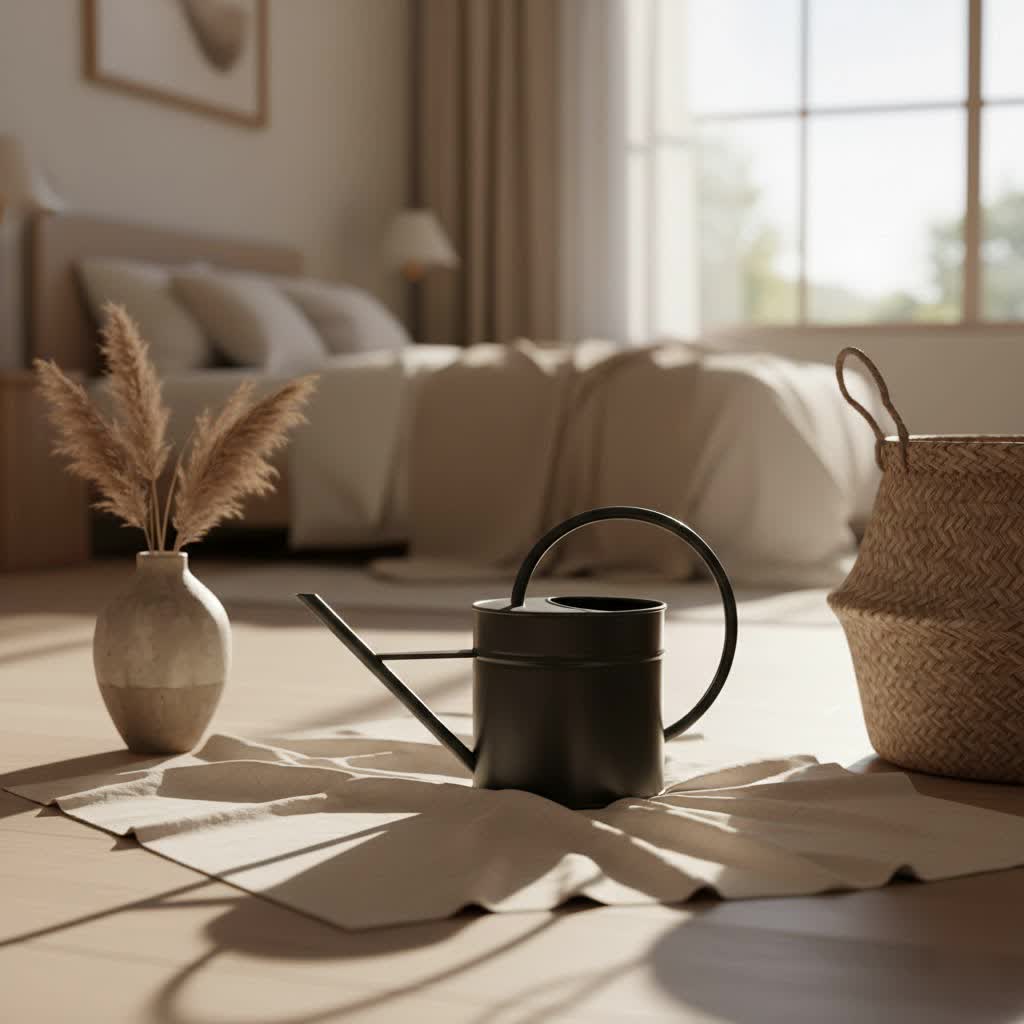
For any gardener, a reliable outdoor watering can is more than just a container for water; it’s an essential tool that connects you to your plants, turning a routine chore into a mindful act of nurturing. With a many options available, selecting the perfect companion for your green space can feel overwhelming. This comprehensive guide, informed by years of gardening experience, will help you navigate the choices, ensuring you find a watering can that’s not just functional, but a true extension of your gardening passion.
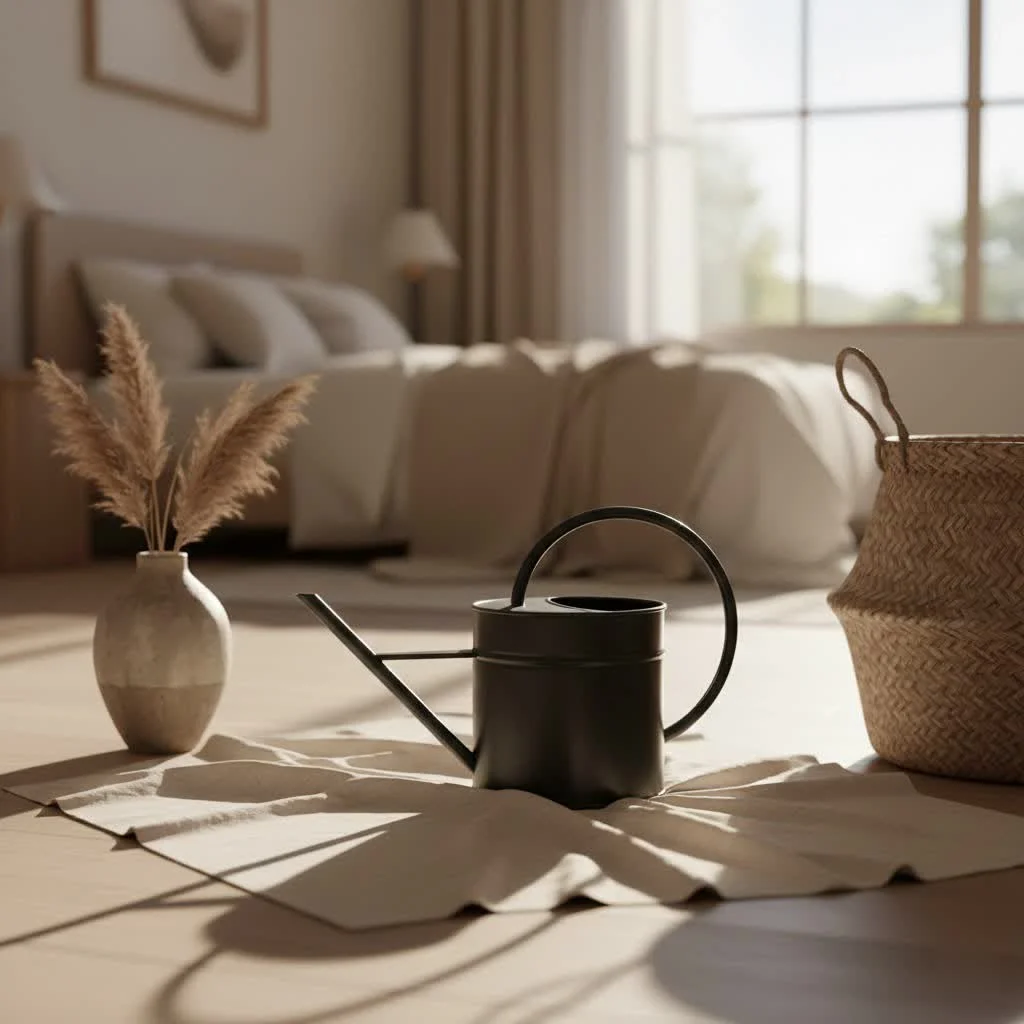
Outdoor Watering Can: A Detailed Buying Guide
Understanding the different types and features of watering cans is the first step toward making an informed decision. Each material and design element plays a crucial role in the can’s performance and suitability for various gardening tasks. For expert gardening tools reviews on this site.
Popular Types of Outdoor Watering Cans
Outdoor watering cans come in several primary material types, each offering distinct advantages and disadvantages tailored to different needs and preferences.
-
Plastic Watering Cans
- Pros: Lightweight and typically the most affordable option, plastic watering cans are easy to carry, even when full, and widely available in diverse colors and designs. Many modern plastic cans are made from UV-stabilized materials, which helps them resist fading and cracking from sun exposure, offering better durability than standard plastics. They are also easy to clean.
- Cons: Lower-quality plastic can become brittle over time, especially when exposed to harsh sunlight and extreme temperatures, leading to cracks or breakage. They may not offer the same robust feel or longevity as metal alternatives.
-
Metal Watering Cans
- Pros: Known for their exceptional durability, sturdy construction, and often timeless aesthetic appeal, metal watering cans are a long-term investment. Options like galvanized steel, stainless steel, and copper are rust-resistant or can be treated to prevent corrosion, making them well-suited for outdoor conditions. They often have a more substantial feel, providing stability during watering.
- Cons: Generally heavier than plastic cans, especially when filled to capacity, which can make them more challenging to carry and maneuver for some gardeners. Copper cans, while beautiful, can be quite expensive and may develop a patina over time, which some gardeners appreciate for its vintage look, while others prefer a polished appearance. Untreated metal can be prone to rust.
ceramic, terracotta, and glass watering cans, while aesthetically pleasing, are generally not recommended for outdoor use due to their fragility and susceptibility to breakage from accidental drops or temperature fluctuations.
Comparing Outdoor Watering Can Materials
|
Our Picks for the Best Watering Can in 2026
As an Amazon Associate I earn from qualifying purchases.
|
||
| Num | Product | Action |
|---|---|---|
| 1 | Indoor Plants Watering Can for Indoor Plants Long Probe Soil Moisture Meter Long Spout 47 oz Watering Cans Water Monitor Indicator for Pot Flower House Gardening Farming |

|
| 2 | Watering Can for Indoor Outdoor Plants, Modern Small Watering Cans with Removable Nozzle, Long Spout Watering Can for Indoor Bonsai Plants Garden Flowers 1/2 Gallon 1.8L 60OZ (Dark Green) |
|
| 3 | Watering Can for Indoor and Outdoor Plants - Long Spout Water Can for Garden, Flower, House Plants - 1.8L/1/2 Gallon (Green) |
|
| 4 | 350ml Small Watering Can for Indoor Plants, 12oz Mini Plant Watering Pot with Long Spout and Handle, Black Tiny Stainless Steel Watering-Can for Outdoor Indoor Plants Flower Garden |
|
| 5 | Watering Can for Indoor Plants, 35 oz/1000 ml Metal Stainless Steel Pot with Long Spout for House Plants Bonsai Outdoor Garden Flower Decorative (Black) |
|
| 6 | Small Watering Can for Indoor Plants, Mini Indoor Watering Can with Long Spout and Handle 12 Oz / 350 ml Rust-Proof 304 Stainless Steel Material |
|
| 7 | 2 Gallon Watering Can, Garden Watering Can Outdoor, Plant Water Can with Removable Long Spout and Stainless Steel Sprinkler Head, Large Plastic Outdoor Watering Cans for Gardening Flower Plants |
|
| 8 | 2 Gallon Watering Can, Outdoor Watering Can for Plants, Garden Water Can with Removable Long Spout and Stainless Steel Sprinkler Head, Large Water Can for Greenhouse (Dark Blue, 2 Gallon) |
|
| 9 | Plant Watering Can,35oz Metal Watering Can,Stainless Steel Indoor Plants with Long Curved Spout,Small Bonsai Outdoor Garden Modern Decorative(Black) |
|
| 10 | Long Spout Watering Can Indoor, Small Watering Cans for House Plants, Flowers, Succulents 33.8oz(Green) |
|
Choosing between materials often comes down to balancing durability, weight, cost, and personal style. This table provides a quick comparison to aid your decision.
| Feature | Plastic | Metal (Galvanized Steel, Stainless Steel, Copper) |
|---|---|---|
| Durability | Moderate – High (UV-stabilized) | High – Very High |
| Cost | Low – Medium | Medium – High |
| Weight | Lightweight | Heavier |
| Aesthetics | Functional, variety of colors | Classic, decorative, rustic |
| Rust Resistance | Inherently rust-proof | Good (if treated/stainless), susceptible otherwise |
Outdoor Watering Can Capacity: Choosing the Right Size?
The ideal capacity for your watering can depends largely on the size of your garden and the types of plants you tend. Matching the can’s volume to your needs will minimize refills and reduce physical strain.
- Small (under 1 liter / 0.25 gallons): Best suited for delicate houseplants, small container gardens, or precise watering of seedlings where a gentle, controlled flow is paramount. They are easy to handle but require frequent refilling for larger tasks.
- Medium (1-3 liters / 0.25-0.8 gallons): A versatile size popular for balcony gardens, small patios, or a few outdoor potted plants. This capacity strikes a good balance between holding enough water to avoid constant refills and remaining manageable in weight.
- Large (3+ liters / 0.8+ gallons): Ideal for extensive outdoor gardens, raised beds, or when you have many plants to water. These larger cans significantly reduce trips to the water source but can become quite heavy when full, requiring good balance and possibly a dual-handle design for comfortable use. A gallon of water alone weighs approximately 8 pounds, so a 3-gallon can can easily weigh over 24 pounds when full.
Tips for Selecting a Quality Outdoor Watering Can
Beyond material and size, several design features contribute to a watering can’s overall quality and user-friendliness. Consider these aspects to ensure your chosen can serves you well.
- Material Quality: Opt for materials designed for longevity in outdoor environments. For plastic, look for “UV-stabilized” or “heavy-duty” descriptions. For metal, seek out “galvanized steel,” “stainless steel,” or those with protective coatings to prevent rust.
- Spout Design: The spout dictates the water delivery. A long, thin spout offers precision for individual plants or hard-to-reach areas. A “rose” (sprinkler head) attachment provides a gentle, rain-like shower, perfect for delicate seedlings or spreading water evenly over garden beds. Many excellent cans offer adjustable or removable roses for versatility.
- Handle Comfort and Ergonomics: A comfortable and well-balanced handle is crucial, especially for larger capacities. Dual-handle designs, where one handle is for carrying and the other for pouring, significantly improve maneuverability and reduce wrist strain when the can is full. Look for smooth, sturdy grips that are easy to hold from different angles.
- Filling Access: A wide opening at the top of the can makes filling easier, whether from a faucet or a rain barrel, minimizing spills.
- Leakage Prevention: High-quality cans often feature one-piece construction or well-sealed seams and O-rings at the spout connection to prevent drips and leaks.
How to Use and Maintain Your Outdoor Watering Can
Proper use and regular maintenance will extend the life of your watering can and ensure it remains a reliable tool for years.
- Use Correctly: Always aim to water the base of your plants, directing moisture to the roots where it’s most needed. Use the appropriate spout setting – a gentle shower for seedlings and delicate plants, or a steady stream for larger, more established plants and efficient soil penetration.
- Clean Regularly: After each use, empty any leftover water and rinse the can thoroughly. Allowing it to air dry will prevent the buildup of algae, mold, or bacteria, especially in metal cans where stagnant water can contribute to rust. Occasionally, a mild soap and warm water can be used for a deeper clean.
- Store Properly: Protect your watering can from extreme weather. Plastic cans can become brittle in direct, prolonged sunlight or crack if water freezes inside them during winter. Metal cans, even rust-resistant ones, benefit from being stored in a dry, shaded area, like a shed or garage. Storing them upside down or on a shelf helps keep them clean and dry. Avoid leaving water in the can for extended periods to prevent mosquito breeding and stagnant water issues.
- Inspect for Damage: Periodically check for cracks, leaks, or rust spots. Minor issues can often be repaired, but significant damage might indicate it’s time for a replacement.
Top Outdoor Watering Cans: Key Features to Look For
While specific product recommendations are outside this scope, a “top” outdoor watering can consistently demonstrates certain desirable features that elevate its performance and user experience. When evaluating options, prioritize cans that embody these qualities:
- Exceptional Durability: Made from robust materials like UV-stabilized plastic or high-quality galvanized/stainless steel that can withstand outdoor conditions and accidental bumps.
- Ergonomic Design: Features comfortable, well-balanced handles (often a dual-handle system for larger capacities) that make carrying and pouring easy, minimizing strain.
- Versatile Spout: Offers a choice between a gentle sprinkle (rose attachment) for delicate plants and a direct stream for more targeted watering, ideally with an easily adjustable or removable rose.
- Optimal Capacity: A size that matches your gardening needs, reducing the frequency of refills without being excessively heavy when full.
- Ease of Filling: A wide, unobstructed opening that allows for quick and splash-free filling from various water sources.
Comparing Common Watering Can Features
This table highlights common features to help you compare and identify the best fit for your gardening style.
| Feature | Small Garden / Potted Plants | Medium Garden / Balcony | Large Garden / Raised Beds |
|---|---|---|---|
| Capacity | 0.5 – 1 Gallon | 1 – 2 Gallons | 2 – 5+ Gallons |
| Material | Plastic, Stainless Steel | Plastic, Galvanized Steel | Plastic, Galvanized Steel |
| Spout Type | Long, narrow; fine rose | Adjustable rose; open flow | Open flow; large rose |
| Handle Type | Single, comfortable grip | Single or dual, ergonomic | Dual-handle recommended |
| Weight (Empty) | Very Light | Light – Moderate | Moderate – Heavy |
| Key Pros | Precision, easy handling | Balance, good capacity | Fewer refills, robust |
| Key Cons | Frequent refills | Can be heavy when full | Heavy when full, storage |
Your Guide to Buying the Perfect Outdoor Watering Can
Making the right choice involves a thoughtful process that considers both your gardening habits and the features of available watering cans.
- Define Your Needs: Begin by assessing your garden. How many plants do you have? Are they delicate seedlings, large shrubs, or a mix? Do you have hanging baskets? How far is your water source from your plants? This will guide your capacity and spout choices.
- Research Materials and Features: Understand the pros and cons of plastic versus metal and consider the importance of spout types, handle designs, and overall durability. Prioritize features that align with your primary watering tasks.
- Read User Reviews: While individual product names are less important than features, reading reviews for similar cans can offer valuable insights into real-world performance, common issues, and longevity from other gardeners.
- Consider Your Budget vs. Longevity: A more expensive metal can might be a lifetime investment, whereas a budget-friendly plastic can might need replacement sooner. Balance the initial cost with the expected lifespan and your desire for durability.
- Purchase from Reputable Retailers: Buy from stores or online vendors known for quality gardening tools. This often comes with better product quality and customer support.
“A well-chosen watering can doesn’t just deliver water; it delivers joy and efficiency, transforming a daily task into a cherished part of your gardening ritual.”
Conclusion
Choosing the best outdoor watering can is a personal journey, influenced by the unique characteristics of your garden and your watering style. By carefully considering materials, capacity, spout design, and handle ergonomics, you can select a tool that feels natural in your hand and efficiently meets the hydration needs of your plants. A durable, well-designed watering can is an investment in both your garden’s health and your own gardening pleasure. So, what features will you prioritize in your next watering can to make your gardening experience truly bloom?
Frequently Asked Questions
Should I choose a plastic or metal outdoor watering can?
For outdoor use, both plastic and metal watering cans have merits. Plastic cans are typically lighter and more affordable, especially those made from UV-stabilized materials which resist sun damage. Metal cans, such as galvanized steel or stainless steel, offer superior durability and a classic aesthetic but are generally heavier and can be more expensive. Your choice should balance your budget, preferred weight, and aesthetic preference against long-term durability needs.
What is the best capacity for an outdoor watering can?
The best capacity depends on your garden size. For small patio containers or a few plants, a 1-2 gallon can is often sufficient. For larger gardens, raised beds, or when you want to minimize refills, a 2-5 gallon can is more practical. that a full watering can can be heavy, so balance capacity with your comfort and strength for carrying and pouring.
What kind of spout is best for outdoor plants?
For outdoor plants, a versatile spout is often best. A “rose” (sprinkler head) attachment provides a gentle, even shower, ideal for delicate seedlings, young plants, or spreading water broadly over garden beds without disturbing soil. For more established plants or targeted watering, a steady, open-flow spout is effective. Many quality outdoor watering cans offer an adjustable or removable rose to accommodate various watering needs.
Get our weekly buyer guide
Practical specs, not advice. Unsubscribe anytime.

I picked up a plastic watering can from the budget-friendly range. It does the job for my small patio garden, but the handle feels a little flimsy when it’s completely full. I wish I’d splurged a bit more for something with a more ergonomic grip, as my hand gets tired quickly.
I appreciated the breakdown of different materials. I went with a copper watering can, mostly for the aesthetic, but it’s also surprisingly lightweight even when full. My only minor quibble is that the rose head is a bit too fine for some of my larger, thirstier plants, but it’s perfect for seedlings.
I finally replaced my old, leaky plastic can with one of the galvanized steel options mentioned. What a difference! It feels so much sturdier and the long spout makes it easy to reach all my hanging baskets without spilling. Definitely worth the investment for something that will last for years.
The guide really helped me understand the importance of spout length. I have a lot of plants on shelves and a short spout was always a mess. My new can with a longer, narrower spout has made watering so much more precise and enjoyable. No more accidental splashes on my indoor furniture!