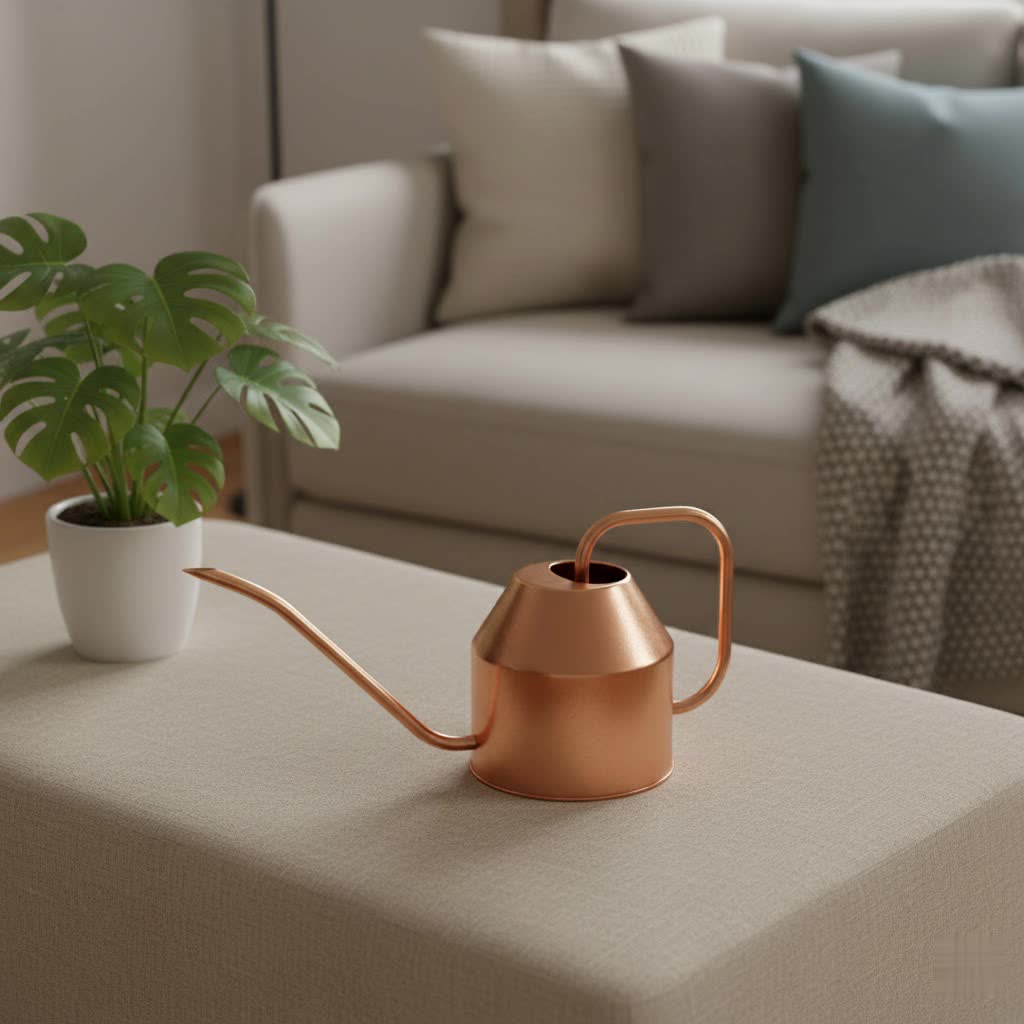
As an experienced gardener with over a decade in the field, I understand the delicate dance of plant care, especially when it comes to hydration. Selecting the right watering can for your beloved flower pots isn’t just about functionality; it’s about finding a reliable companion that makes nurturing your plants a joy. This comprehensive guide will delve into everything you need to know, from materials and capacities to essential features and maintenance, ensuring you pick the ideal watering can to help your potted plants flourish.
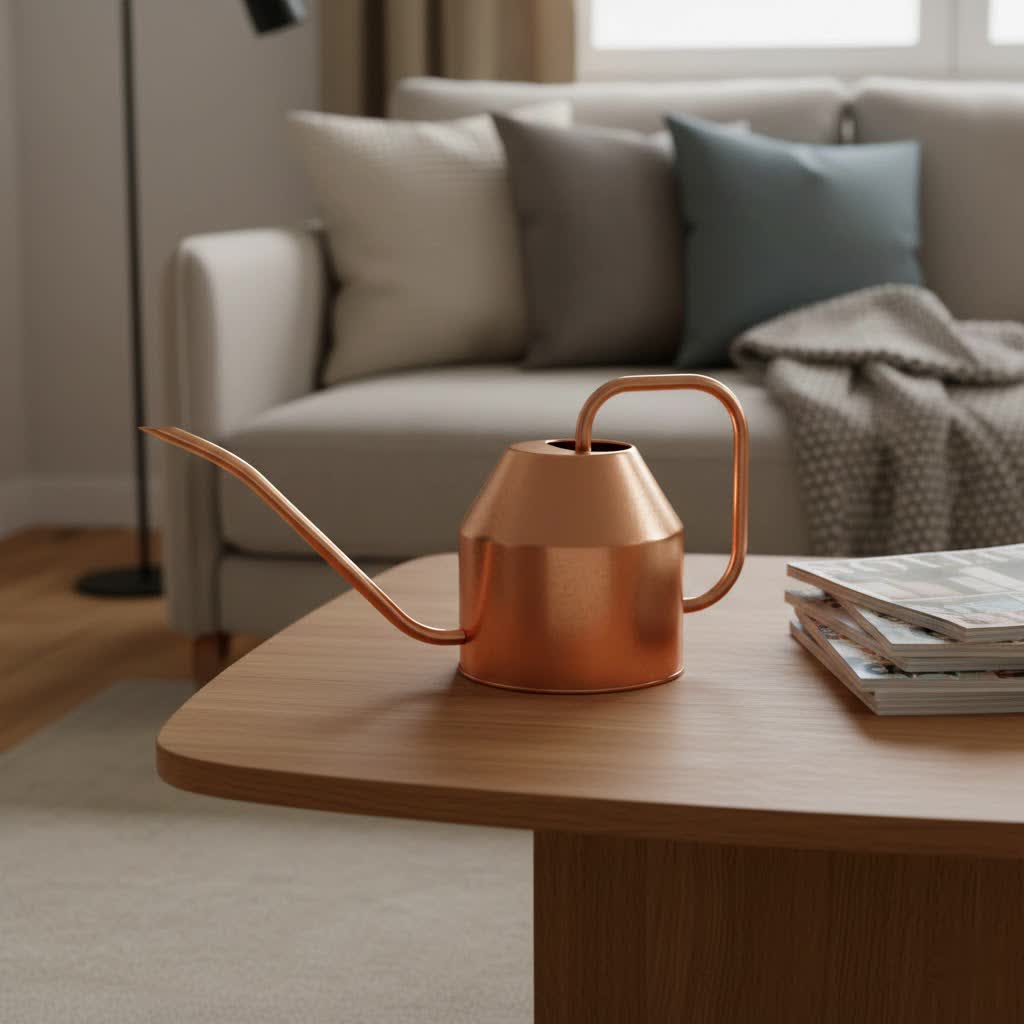
Watering Can: A Detailed Buying Guide
Choosing a watering can might seem straightforward, but the ideal choice significantly impacts your plant’s health and your gardening experience. A well-matched watering can ensures your plants receive the precise amount of water they need without mess or fuss.
Popular Types of Watering Cans
Watering cans come in a variety of materials, each offering distinct benefits and drawbacks for different gardening styles and needs. Understanding these differences is key to making an informed decision for your flower pots.
-
Plastic Watering Cans
- Advantages: Plastic cans are typically lightweight, making them easy to carry even when full. They are also generally more affordable and widely available, offering a budget-friendly solution for many gardeners. Modern plastics are often resistant to rust and corrosion, and many are designed to be durable against drops.
- Disadvantages: While durable, some plastics can become brittle and crack over time, especially if exposed to harsh UV sunlight or extreme temperatures. Their aesthetic appeal might also be less sophisticated compared to metal or ceramic options, often looking more utilitarian than decorative.
-
Metal Watering Cans
- Advantages: Metal watering cans, often made from galvanized steel, stainless steel, or copper, are renowned for their durability and longevity. They can withstand outdoor elements better than most plastics and often boast a classic, elegant appearance that can double as a decorative piece in your garden or home. Copper cans, in particular, develop a beautiful patina over time, adding character.
- Disadvantages: Metal cans are generally heavier than plastic ones, especially when filled, which can be a consideration for those with limited strength or mobility. They can also be more expensive and, depending on the material, may be prone to rust if not properly maintained, especially galvanized steel if its protective coating is scratched. Aluminum options are lighter but can dent.
-
Ceramic and Terracotta Watering Cans
- Advantages: These cans are prized for their high aesthetic value, serving as beautiful decorative items indoors or on a patio. They can add a touch of rustic charm or artistic elegance to your plant display, complementing various interior design styles.
- Disadvantages: Ceramic and terracotta cans are the most fragile options, prone to breaking if dropped. They are also typically more expensive than plastic and most metal cans. Due to their delicate nature, they are usually recommended for occasional indoor use rather than heavy-duty outdoor gardening.
|
Our Picks for the Best Watering Can in 2026
We may earn a commission when you use one of our links to make a purchase.
|
||
| Num | Product | Action |
|---|---|---|
| 1 | 2 Gallon Watering Can, Garden Watering Can Outdoor, Plant Water Can with Removable Long Spout and Stainless Steel Sprinkler Head, Large Plastic Outdoor Watering Cans for Gardening Flower Plants |

|
| 2 | Long Spout Watering Can Indoor, Small Watering Cans for House Plants, Flowers, Succulents 33.8oz(Green) |
|
| 3 | Watering Can for Indoor Outdoor Plants, Modern Small Watering Cans with Removable Nozzle, Long Spout Watering Can for Indoor Bonsai Plants Garden Flowers 1/2 Gallon 1.8L 60OZ (Dark Green) |
|
| 4 | Plant Watering Can,35oz Metal Watering Can,Stainless Steel Indoor Plants with Long Curved Spout,Small Bonsai Outdoor Garden Modern Decorative(Black) |
|
| 5 | Watering Can for Indoor Plants, 35 oz/1000 ml Metal Stainless Steel Pot with Long Spout for House Plants Bonsai Outdoor Garden Flower Decorative (Black) |
|
| 6 | 2 Gallon Watering Can, Outdoor Watering Can for Plants, Garden Water Can with Removable Long Spout and Stainless Steel Sprinkler Head, Large Water Can for Greenhouse (Dark Blue, 2 Gallon) |
|
| 7 | Small Watering Can for Indoor Plants, Mini Indoor Watering Can with Long Spout and Handle 12 Oz / 350 ml Rust-Proof 304 Stainless Steel Material |
|
| 8 | Indoor Plants Watering Can for Indoor Plants Long Probe Soil Moisture Meter Long Spout 47 oz Watering Cans Water Monitor Indicator for Pot Flower House Gardening Farming |
|
| 9 | 350ml Small Watering Can for Indoor Plants, 12oz Mini Plant Watering Pot with Long Spout and Handle, Black Tiny Stainless Steel Watering-Can for Outdoor Indoor Plants Flower Garden |
|
| 10 | Watering Can for Indoor and Outdoor Plants - Long Spout Water Can for Garden, Flower, House Plants - 1.8L/1/2 Gallon (Green) |
|
Comparing Different Watering Can Types
To help you decide, here’s a quick comparison of the common watering can materials:
| Feature | Plastic | Metal | Ceramic |
|---|---|---|---|
| Durability | Low – Medium | High | Medium |
| Cost | Low | Medium – High | High |
| Weight | Light | Heavy | Medium |
| Aesthetics | Low – Medium | Medium – High | High |
| Recyclability | Yes | Yes | No |
Watering Can Capacity: Choosing the Right Fit
The ideal capacity for your watering can depends largely on the size and number of your flower pots and plants. Matching the can’s size to your needs ensures efficient watering without unnecessary refills or excessive weight.
- Small Watering Cans (under 1 liter / 0.25 gallon): Perfect for delicate indoor plants, succulents, or small herb pots. Their precise flow helps prevent overwatering and makes reaching tight spots easy.
- Medium Watering Cans (1-3 liters / 0.25-0.75 gallons): A versatile choice suitable for a variety of houseplants, small balcony gardens, or a collection of medium-sized flower pots. They offer a good balance between capacity and manageable weight.
- Large Watering Cans (over 3 liters / 0.75 gallons): Best for extensive outdoor gardens, numerous large flower pots, or when you need to water many plants in a single session, minimizing trips to the water source. Be mindful of the weight when full.
Essential Tips for Choosing a Quality Watering Can
Beyond material and size, several design features contribute to a watering can’s quality and user-friendliness. Focusing on these details will enhance your watering routine and ensure your plants thrive.
- Material Quality: Opt for durable, non-toxic materials. For plastic, look for UV-stabilized options that resist degradation. For metal, choose rust-resistant varieties like stainless steel or properly coated galvanized steel.
- Spout Design: A long, narrow spout provides precision, allowing you to direct water directly to the soil at the base of your plants without wetting leaves, which can prevent fungal issues. For delicate seedlings or broad coverage, a “rose” (sprinkler head) attachment is beneficial. Ideally, look for one with a detachable or adjustable nozzle for versatility.
- Comfortable Handle: The handle should feel comfortable and provide a secure grip, especially when the can is full. Some larger cans feature a dual-handle design, offering better balance and reducing strain on your wrist and arm.
- Overall Design: Consider how the can looks and how easily it can be refilled. A wide opening for filling is a plus. If it will be stored visibly, aesthetics play a role in complementing your space.
- Reputable Brands: Prioritize brands known for their quality and thoughtful design in gardening tools. While this article does not recommend specific brands, research popular and well-regarded options in the gardening community.
Guide to Using and Maintaining Your Watering Can
Proper use and regular maintenance will extend the life of your watering can and contribute to healthier plants.
- Use it Correctly: Always aim to water the soil directly, not the leaves, especially for indoor plants. Water deeply until you see water draining from the bottom of the pot, ensuring roots get sufficient moisture. For delicate plants or seedlings, use a gentle shower head attachment.
- Regular Cleaning: Rinse your watering can with clean water after each use to prevent residue buildup. Perform a deeper clean monthly using warm, soapy water and a soft brush to scrub the inside and outside. For stubborn mineral deposits or algae, a vinegar solution (one part white vinegar to two parts warm water) can be effective.
- Clean the Spout and Rose: Detach the rose if possible and clean its holes with an old toothbrush or a toothpick to prevent clogging. For narrow spouts, a pipe cleaner can reach inside. Soaking the rose in vinegar can help dissolve mineral buildup.
- Proper Storage: Store your watering can in a dry, shaded area. If it’s a metal can, ensure it’s completely dry to prevent rust, and avoid leaving it outside filled with water, especially in freezing temperatures, as expanding ice can cause cracks. Storing it upside down or on its side can prevent water collection.
- After Fertilizing: If you use liquid fertilizers, thoroughly rinse your metal watering can immediately afterward, as the chemicals can contribute to rust formation.
Popular Watering Can Styles for Flower Pots
While specific brands are beyond the scope, certain styles of watering cans consistently prove popular for flower pots due to their thoughtful design and reliable performance.
- The Classic Long-Spout Metal Can: Often seen in galvanized steel or copper, this style offers a timeless look and excellent durability. Its long, slender spout provides precise watering, ideal for reaching into dense foliage or watering multiple flower pots on a shelf without spills.
- Ergonomic Dual-Handle Plastic Can: Designed for comfort and control, these larger plastic cans feature two handles, making them easier to carry and pour, especially when full. Their robust plastic construction resists cracking, and many come with adjustable spouts for varied watering needs.
- Compact Indoor Plastic Can with Narrow Spout: Lightweight and perfectly sized for a few houseplants, this can features a very narrow, often curved, spout for accurate, drip-free watering of small flower pots and succulents, ensuring water goes exactly where it’s needed.
- Decorative Ceramic or Terracotta Can: While primarily chosen for aesthetics, these cans often have a modest capacity and are ideal for occasional watering of delicate indoor plants, adding an artistic touch to your home decor.
- Stainless Steel Precision Can: Combining modern elegance with precise functionality, these cans feature a sleek design and a long, thin spout, making them excellent for contemporary indoor plant setups where both style and control are paramount.
Comparison of Popular Watering Can Styles
| Style | Capacity | Material | Price Range | Advantages | Disadvantages |
|---|---|---|---|---|---|
| Classic Long-Spout Metal | Medium-Large | Galvanized/Copper | Medium-High | Durable, precise, aesthetically pleasing | Can be heavy, may rust if not maintained |
| Ergonomic Dual-Handle Plastic | Large | Durable Plastic | Low-Medium | Comfortable, good control, durable plastic | Less aesthetic, can be bulky |
| Compact Indoor Plastic | Small | Lightweight Plastic | Low | Lightweight, precise, easy for small pots | Less capacity, may lack premium feel |
| Decorative Ceramic | Small | Ceramic/Terracotta | High | High aesthetic appeal, unique design | Fragile, heavy for its size, limited use |
| Stainless Steel Precision | Small-Medium | Stainless Steel | Medium-High | Sleek look, rust-resistant, precise flow | Can be pricier, heavier than plastic equivalent |
How to Buy the Best Watering Can for Your Flower Pots
Finding the perfect watering can for your flower pots involves a few thoughtful steps to ensure it meets your specific gardening needs and preferences.
- Identify Your Needs: Consider the number and size of your plants, whether they are indoors or outdoors, and your physical strength. Do you need precision for small succulents or volume for many large pots?
- Research Product Information: Look for detailed descriptions, material specifications, and features like spout type and handle design.
- Compare Options: Weigh the pros and cons of different materials and capacities against your budget and aesthetic preferences.
- Read User Reviews: Gain insights from other gardeners about real-world performance, durability, and ease of use. This can highlight aspects not immediately apparent from product descriptions.
- Purchase from Reputable Sources: Choose well-known gardening stores, nurseries, or trusted online retailers to ensure product quality and reliable customer service.
“A good watering can will help you care for your plants more easily and effectively, transforming a chore into a calming ritual.” – A Gardening Expert
Conclusion
Choosing the ideal watering can for your flower pots is a significant step towards cultivating a thriving garden. By considering the various types of materials, appropriate capacities, and essential design features, you can find a tool that not only efficiently hydrates your plants but also brings joy to your gardening routine. A well-selected watering can is more than just a vessel for water; it’s an extension of your care and dedication to your green companions. So, are you ready to elevate your plant care with the perfect watering can?
Frequently Asked Questions
Should I choose a plastic or metal watering can for my flower pots?
The choice between plastic and metal depends on your priorities. Plastic cans are lightweight and budget-friendly, ideal for easy handling and beginners. Metal cans offer superior durability and a more elegant aesthetic, making them a long-term investment. Consider if weight, cost, or appearance is most important for your needs.
How do I prevent overwatering my flower pots with a watering can?
To prevent overwatering, choose a watering can with a long, narrow spout for precise control, directing water directly to the soil. Always check the soil moisture before watering; only water when the top inch or two of soil feels dry. Water slowly and deeply until you see a little drainage, then stop.
What size watering can is best for indoor flower pots?
For most indoor flower pots, a small (under 1 liter) to medium (1-3 liters) watering can is ideal. Small cans offer precision for delicate plants, while medium ones are versatile enough for a varied collection without being too heavy to carry around your home.
How often should I clean my watering can?
It’s recommended to rinse your watering can after every use. For a deeper clean, wash it thoroughly with warm, soapy water once a month. This prevents the buildup of algae, mineral deposits, and bacteria, ensuring your plants receive clean water and your can functions optimally.
Can I use a watering can for fertilizing plants in flower pots?
Yes, you can use a watering can to apply liquid fertilizer to your potted plants. Ensure the fertilizer is properly diluted according to product instructions. After applying, thoroughly rinse your watering can multiple times with clean water, especially if it’s metal, to prevent corrosion or residue buildup.