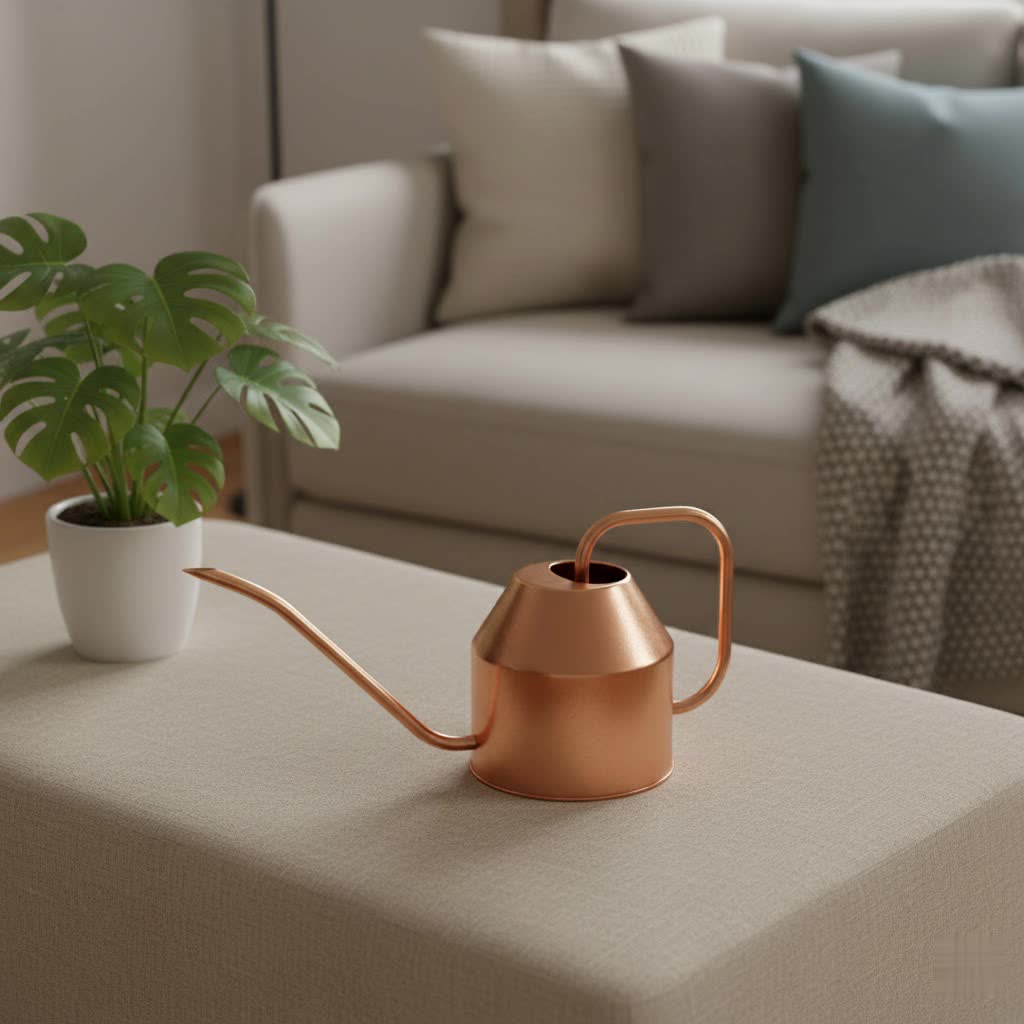
Gardening, whether a grand outdoor endeavor or a delicate indoor passion, thrives on the right tools. Among these, the humble watering can holds a special place, a constant companion in nurturing life. But not all watering cans are created equal. If you’ve ever struggled with flimsy plastic or dealt with rust-prone alternatives, you understand the frustration. Today, we’re diving deep into the world of Galvanized Watering Cans, exploring why these classic, robust vessels might just be the trustworthy partner your garden deserves. With over a decade of hands-on experience in the garden, I’ve seen countless watering cans come and go, and the galvanized option consistently stands out for its unique blend of strength, timeless appeal, and practicality. This guide will arm you with the expert knowledge needed to select a galvanized watering can that will serve your plants beautifully for years to come.

Understanding Galvanized Watering Cans
At its core, a galvanized watering can is crafted from steel that has undergone a process called galvanization. This involves coating the steel with a protective layer of zinc. This zinc coating acts as a sacrificial layer, preventing the underlying steel from rusting, even if the surface is scratched. It’s a method that has been used for centuries to protect metal from corrosion, lending these watering cans their exceptional durability and characteristic silvery-grey finish. This robust construction means they are built to withstand the rigors of garden life, from sun exposure to accidental bumps and scrapes, making them a long-term investment for any gardener.
Why Choose Galvanized? A Look at the Benefits
Galvanized watering cans offer a compelling list of advantages:
- Exceptional Durability: The zinc coating protects the steel from rust and corrosion, ensuring your can lasts for decades, often outliving its plastic counterparts. This makes them incredibly resilient to outdoor conditions.
- Timeless Aesthetic: With their classic, often vintage-inspired look, galvanized cans add a touch of rustic charm and elegance to any garden or potting shed. They become decorative pieces as much as functional tools.
- Chemical Stability: Unlike some plastic cans that can off-gas chemicals, galvanized metal is a stable material, ensuring the water you deliver to your plants remains pure and uncontaminated, which is particularly important for edibles.
- Sturdy and Stable: The inherent weight of metal provides greater stability, reducing the risk of tipping over, especially when watering delicate plants or in windy conditions.
- UV Resistance: They are impervious to UV rays, meaning they won’t fade, crack, or become brittle when left in direct sunlight over time, a common issue with plastic.
|
Our Picks for the Best Watering Can in 2026
We may earn a commission when you use one of our links to make a purchase.
|
||
| Num | Product | Action |
|---|---|---|
| 1 | Watering Can for Indoor Plants, 35 oz/1000 ml Metal Stainless Steel Pot with Long Spout for House Plants Bonsai Outdoor Garden Flower Decorative (Black) |

|
| 2 | 350ml Small Watering Can for Indoor Plants, 12oz Mini Plant Watering Pot with Long Spout and Handle, Black Tiny Stainless Steel Watering-Can for Outdoor Indoor Plants Flower Garden |
|
| 3 | Indoor Plants Watering Can for Indoor Plants Long Probe Soil Moisture Meter Long Spout 47 oz Watering Cans Water Monitor Indicator for Pot Flower House Gardening Farming |
|
| 4 | Plant Watering Can,35oz Metal Watering Can,Stainless Steel Indoor Plants with Long Curved Spout,Small Bonsai Outdoor Garden Modern Decorative(Black) |
|
| 5 | 2 Gallon Watering Can, Outdoor Watering Can for Plants, Garden Water Can with Removable Long Spout and Stainless Steel Sprinkler Head, Large Water Can for Greenhouse (Dark Blue, 2 Gallon) |
|
| 6 | Watering Can for Indoor Outdoor Plants, Modern Small Watering Cans with Removable Nozzle, Long Spout Watering Can for Indoor Bonsai Plants Garden Flowers 1/2 Gallon 1.8L 60OZ (Dark Green) |
|
| 7 | 2 Gallon Watering Can, Garden Watering Can Outdoor, Plant Water Can with Removable Long Spout and Stainless Steel Sprinkler Head, Large Plastic Outdoor Watering Cans for Gardening Flower Plants |
|
| 8 | Watering Can for Indoor and Outdoor Plants - Long Spout Water Can for Garden, Flower, House Plants - 1.8L/1/2 Gallon (Green) |
|
| 9 | Small Watering Can for Indoor Plants, Mini Indoor Watering Can with Long Spout and Handle 12 Oz / 350 ml Rust-Proof 304 Stainless Steel Material |
|
| 10 | Long Spout Watering Can Indoor, Small Watering Cans for House Plants, Flowers, Succulents 33.8oz(Green) |
|
Potential Drawbacks to Consider
While highly beneficial, galvanized watering cans do come with a few considerations:
- Weight: They are generally heavier than plastic cans, especially when full. This might be a concern for individuals with limited upper body strength or when carrying water over long distances.
- Cost: Due to the material and manufacturing process, galvanized cans typically have a higher upfront cost compared to basic plastic models.
- Dents: While durable, they can dent if dropped onto a hard surface, though this usually doesn’t affect functionality.
- Older Cans and Lead: A crucial point for older galvanized cans (pre-1970s) is the potential for lead in the zinc coating. Modern galvanization processes have largely eliminated this concern, but if you have a vintage can and plan to water edible plants, it’s wise to be aware.
Comparing Watering Can Materials
When selecting a watering can, the material is often the first decision. Let’s compare galvanized cans with other common types.
Types of Watering Cans
- Plastic Watering Cans:
- Pros: Lightweight, inexpensive, available in a vast array of colors and designs, and naturally rust-proof. Some high-quality plastics are quite durable and UV-resistant.
- Cons: Can become brittle, crack, and fade over time, especially with prolonged sun exposure. Lower-quality plastics may off-gas chemicals, which can be a concern for sensitive plants or edibles. Often lack the aesthetic appeal and longevity of metal.
- Metal Watering Cans (General):
- Includes galvanized steel, stainless steel, copper, and tin.
- Stainless Steel: Extremely durable, resistant to rust and corrosion, and has a sleek, modern look. Generally lighter than galvanized but also more expensive.
- Copper: Highly aesthetic, developing a beautiful patina over time. Copper can be a micronutrient for plants. However, it can be very expensive and may oxidize or rust if water is left in it.
- Galvanized Steel: (As detailed above) Offers an excellent balance of durability, rust resistance, and classic style at a more accessible price point than copper or premium stainless steel.
- Ceramic Watering Cans:
- Pros: Primarily decorative, offering high aesthetic value for indoor use or display.
- Cons: Extremely fragile, heavy, and typically expensive. Not practical for regular, active gardening.
So, How Do They Stack Up?
| Feature | Plastic | Metal (Galvanized) | Metal (Stainless Steel) | Metal (Copper) | Ceramic |
|---|---|---|---|---|---|
| Durability | Low – Medium | High (Rust-resistant) | Very High | Medium – High | Low (Fragile) |
| Price | Low | Medium – High | High | Very High | Very High |
| Weight | Light | Heavy | Medium – Heavy | Medium – Heavy | Heavy |
| Aesthetic | Functional | Classic, Vintage | Modern, Sleek | Premium, Patina | Decorative |
| UV Resistance | Low – Medium | High | High | High | High |
| Rust Potential | None (Cracks) | Low (if coating intact) | Very Low | Medium (Oxidizes) | None |
| Off-gassing | Possible (low-quality) | None | None | None | None |
Choosing the Right Galvanized Watering Can: A Detailed Guide
Selecting the perfect galvanized watering can involves more than just picking the first one you see. Consider these factors to ensure it becomes a truly reliable gardening companion.
Capacity: Size Matters for Your Needs
The volume a watering can holds directly impacts its weight when full and how often you’ll need to refill it.
- Small (Under 1 Liter/Quart): Ideal for houseplants, delicate seedlings, or small herb gardens. Their precise control prevents overwatering and makes reaching tight spots easy.
- Medium (1-3 Liters/Quarts): Perfect for balconies, patio containers, or smaller garden beds. It offers a good balance between carrying capacity and manageable weight.
- Large (Over 3 Liters/Quarts): Best suited for extensive outdoor gardens, larger shrubs, or when you have many plants to water. Be mindful that a full large can can be quite heavy (a gallon of water weighs about 8.3 pounds/3.7 kg), potentially requiring two hands for comfortable pouring.
“A well-chosen watering can is an extension of your gardening hand. Its capacity should match your strength and your garden’s thirst, not just its size.”
Spout Design: Precision for Every Plant
The spout is critical for how water is delivered, influencing everything from gentle seedling hydration to drenching thirsty mature plants.
- Long, Narrow Spout: Essential for precise watering, especially for indoor plants, succulents, or delicate seedlings. It allows you to direct water exactly where it’s needed, preventing splashes on leaves or overwatering the soil surface. They are also excellent for reaching plants on high shelves or in hanging baskets without straining.
- Rose (Shower Head) Attachment: This is a perforated cap that diffuses the water into a gentle, rain-like shower. It’s perfect for newly sown seeds, young seedlings, or delicate flowers that can be easily damaged by a strong stream. Many galvanized cans offer a removable rose, allowing you to switch between a gentle shower and a direct stream for different tasks.
- Adjustable Spouts: Some modern designs feature spouts that can be adjusted to vary water flow or have interchangeable heads, offering versatility for different watering needs.
Handle Comfort: Ergonomics for Effortless Watering
A comfortable and well-balanced handle is crucial, especially when the can is full.
- Ergonomic Design: Look for handles that fit comfortably in your hand, with smooth, rounded edges.
- Dual Handles: Many larger galvanized cans feature two handles – one over the top for carrying and another at the back for tilting and pouring. This design significantly improves balance and reduces strain, making it easier to handle heavier loads.
- Material: While most galvanized cans have metal handles, some may feature wooden grips for added comfort and a classic touch. Ensure any wooden elements are well-sealed for outdoor use.
Overall Construction and Design: Beyond the Basic Can
- Quality of Galvanization: A high-quality galvanized finish should be even and free of significant imperfections, indicating better rust protection.
- Seams: Check for well-sealed seams to prevent leaks. Some modern cans are made with seamless construction for ultimate leak resistance.
- Fill Opening: A wide opening makes refilling easier and faster, especially under a faucet or rain barrel.
- Aesthetic: Galvanized cans are often chosen for their visual appeal. Decide if you prefer a traditional, rustic, or a more polished, contemporary look to complement your garden’s style.
Brand Reputation: Investing in Quality
While I won’t list specific brands, generally, established gardening tool manufacturers known for quality craftsmanship are a safe bet. Look for brands with a history of positive customer reviews regarding durability and functionality.
Care and Maintenance for Your Galvanized Watering Can
Proper care will ensure your galvanized watering can remains a functional and beautiful garden fixture for many years.
Simple Steps for Longevity
- Clean After Each Use: Rinse your watering can thoroughly with clean water after every use, especially if you’ve used liquid fertilizers. Fertilizers can be acidic or salty, potentially compromising the zinc coating and encouraging rust if left to sit.
- Dry Properly: After rinsing, invert the can or allow it to air dry completely before storing. Moisture trapped inside can lead to mineral buildup or, in rare cases where the galvanization is compromised, rust. A soft cloth can help dry hard-to-reach areas.
- Store in a Dry Place: While galvanized cans are robust outdoors, storing them in a shed, garage, or indoors when not in use will protect them from prolonged exposure to harsh elements and maximize their lifespan. Avoid leaving water sitting in the can for extended periods.
- Avoid Harsh Chemicals: When cleaning, stick to mild detergents or natural solutions like vinegar diluted in water. Abrasive cleaners or harsh chemicals can damage the zinc coating.
- Handle with Care: Though durable, avoid dropping the can frequently, as this can lead to dents.
Addressing Concerns: Lead in Galvanized Cans
The concern about lead in galvanized items, particularly watering cans, is a valid one, especially for those watering edible plants.
Historically, some older galvanization processes used zinc that contained lead as an impurity, or lead was intentionally added to the galvanizing bath to improve the coating’s appearance. However, modern industrial standards for galvanization have significantly reduced or eliminated lead content.
For modern galvanized watering cans manufactured by reputable companies, lead contamination is generally not a concern. The zinc used today is typically 99.9% pure or higher.
If you own a vintage galvanized watering can:
It’s a good practice not to leave water sitting in it for prolonged periods, especially if you use it for watering edible plants. Fill it, water immediately, and then empty and dry it. If you are particularly concerned, lead testing swabs are available for home use, or you could opt for a new, certified lead-free galvanized can.
Top Qualities to Look for in a Galvanized Watering Can
While I cannot provide a list of specific product names, here’s what defines a top-tier galvanized watering can:
- Robust, Leak-Proof Construction: Look for sturdy seams or seamless designs, indicating high manufacturing quality that will prevent leaks.
- Optimized Spout and Rose: A functional spout that delivers water precisely, coupled with a well-designed, possibly removable, rose for gentle showering.
- Comfortable, Balanced Handles: Handles that make carrying and pouring easy, minimizing strain, especially for larger capacities. Dual handles are a strong indicator of good design.
- Adequate Capacity: Matches your gardening needs without being overly heavy when full.
- Visually Appealing Finish: A smooth, even galvanized coating that offers both protection and a pleasing aesthetic.
Your Buying Journey: From Research to Watering
- Define Your Needs: Consider your garden size, types of plants, and how frequently you’ll use the can. Will it be for delicate houseplants, a small patio garden, or an expansive backyard?
- Research Materials and Features: Understand the pros and cons of galvanized steel compared to other materials, and prioritize features like spout type, handle design, and capacity based on your needs.
- Read Reviews (Generally): Look for general feedback on durability, ease of use, and common issues with different styles of galvanized cans.
- Compare Options: Consider different models, weighing their features, aesthetic, and price point.
- Purchase from Reputable Sources: Buy from established garden centers or online retailers known for quality tools. This ensures you’re getting a product that meets modern safety and manufacturing standards.
Conclusion
Choosing the right watering can is an often-overlooked decision that can profoundly impact your gardening experience. A galvanized watering can offers a compelling combination of enduring strength, rust resistance, and classic beauty that makes it a standout choice for discerning gardeners. By understanding the galvanization process, weighing its benefits against other materials, and carefully considering features like capacity, spout design, and handle comfort, you can select a watering can that’s not just a tool, but a dependable partner in nurturing your plants. Invest wisely, care for it well, and your galvanized watering can will be a cherished part of your gardening journey for decades to come, quietly performing its vital role with timeless grace. What kind of verdant dreams will you bring to life with your new, steadfast gardening companion?
Frequently Asked Questions
Will a galvanized watering can rust?
Modern galvanized watering cans are highly resistant to rust due to their protective zinc coating. However, if the zinc coating is severely scratched or damaged, exposing the underlying steel, rust can eventually form in that specific area. Proper care, such as drying after use and avoiding harsh chemicals, helps maintain its integrity.
Are galvanized watering cans safe for watering edible plants?
Modern galvanized watering cans from reputable manufacturers are generally considered safe for watering edible plants. The zinc used in current galvanization processes is typically pure and lead-free. For older or vintage galvanized cans, there might be a very slight risk of lead impurities. To be safe, avoid letting water sit in any galvanized can for extended periods, especially if watering edibles; fill and use immediately.
How often should I clean my galvanized watering can?
It’s best practice to rinse your galvanized watering can with clean water after every use, particularly if you’ve added liquid fertilizers, which can leave residues that might affect the coating. A thorough cleaning with mild soap and water can be done periodically, perhaps once a month or as needed, to prevent mineral buildup and keep it looking its best.
What capacity is best for indoor plants?
For indoor plants, a smaller capacity watering can, typically under 1 liter (or about 1 quart), is often ideal. This size offers greater precision and control, preventing overwatering and making it easier to maneuver around delicate foliage and in tight indoor spaces.