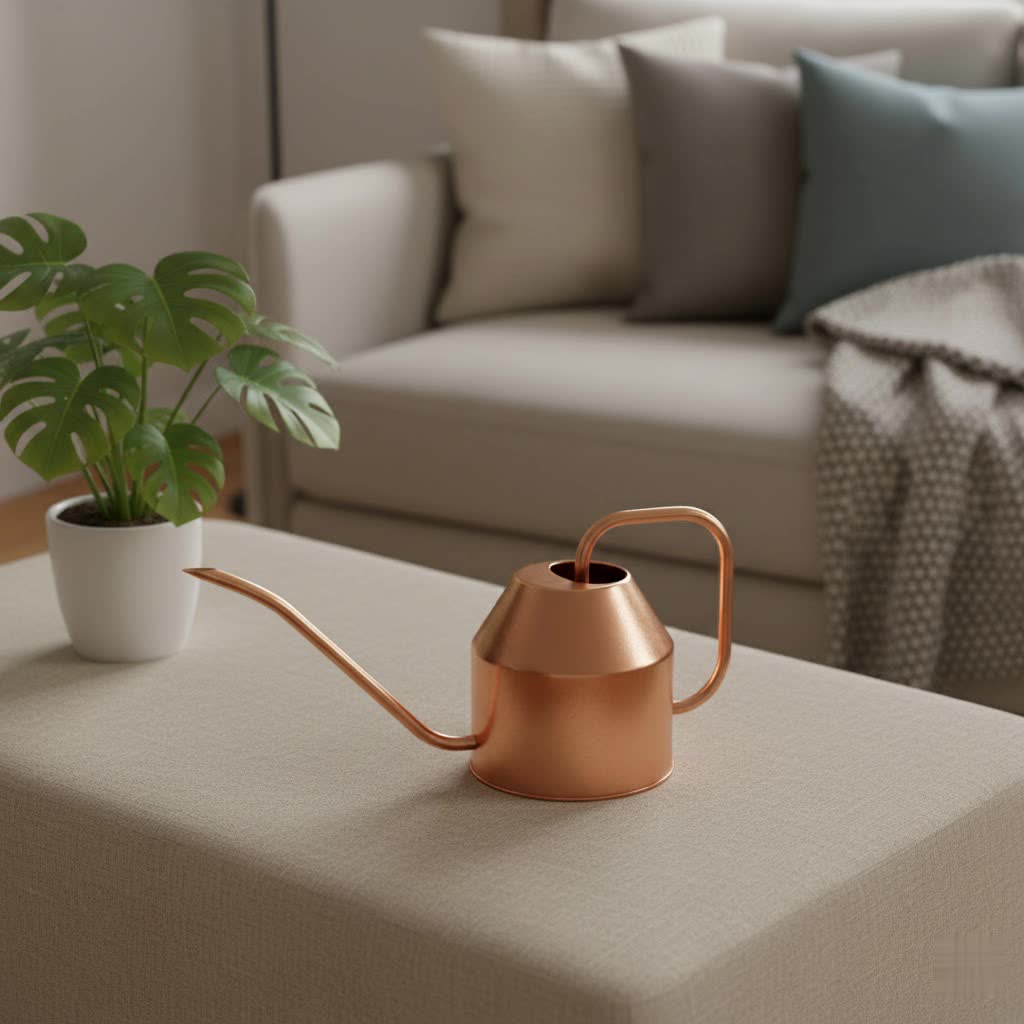
For seasoned gardeners and budding plant enthusiasts alike, a watering can is more than just a vessel for water—it’s an indispensable tool, a trusted companion in nurturing life. With over a decade of hands-on experience cultivating gardens and utilizing countless irrigation tools, especially watering cans, I understand the unique challenges gardeners face when selecting the right one. This article delves deep into the world of watering cans, offering expert insights and practical advice to help you pick the perfect model for your green sanctuary.
Watering Can: A Detailed Buying Guide
Choosing the ideal watering can might seem straightforward, but various factors can significantly impact your gardening efficiency and enjoyment. From material to capacity, understanding your options ensures your plants receive the care they deserve.
Popular Types of Watering Cans
The market offers a diverse range of watering cans, each with distinct advantages and disadvantages. Your choice often hinges on your specific gardening needs, aesthetic preferences, and budget.
- Plastic Watering Cans
- Pros: These are generally the lightest and most affordable options, widely available in various colors and sizes. They are rust-proof and suitable for holding liquid fertilizers or mild chemicals without corrosion. Their lightweight nature makes them easy to maneuver, especially for those with limited strength or younger gardeners.
- Cons: Plastic cans can be less durable than their metal counterparts, prone to cracking or fading when exposed to prolonged sunlight and extreme temperatures. They may also appear less aesthetically pleasing in a curated garden setting.
- Metal Watering Cans
- Pros: Metal cans, often made from galvanized steel, copper, or stainless steel, boast superior durability and a classic, elegant appearance. They are built to last for many years, resisting bumps and drops better than plastic. Copper cans, in particular, are highly sought after for their exquisite look and long lifespan, often developing a beautiful patina over time.
- Cons: These cans tend to be heavier, especially when full, which can be a drawback for larger gardens or frequent use. Unless properly treated or made from rust-resistant materials like stainless steel, they can be susceptible to rust if not cared for meticulously, particularly at seams or inside the spout. They are also typically more expensive.
- Ceramic or Terracotta Watering Cans
- Pros: Primarily chosen for their high aesthetic appeal, ceramic and terracotta cans serve beautifully as decorative items in indoor plant arrangements or on patios. They often come in unique designs and glazes, adding a touch of artisanal charm to your gardening tools. These materials offer a natural, earthy feel.
- Cons: Their main drawback is fragility; they are easily broken if dropped or mishandled. They are also quite heavy and usually have smaller capacities, making them less practical for extensive watering tasks. The price point for these decorative pieces is generally higher.
|
Our Picks for the Best Watering Can in 2026
We may earn a commission when you use one of our links to make a purchase.
|
||
| Num | Product | Action |
|---|---|---|
| 1 | Indoor Plants Watering Can for Indoor Plants Long Probe Soil Moisture Meter Long Spout 47 oz Watering Cans Water Monitor Indicator for Pot Flower House Gardening Farming |

|
| 2 | Small Watering Can for Indoor Plants, Mini Indoor Watering Can with Long Spout and Handle 12 Oz / 350 ml Rust-Proof 304 Stainless Steel Material |
|
| 3 | 350ml Small Watering Can for Indoor Plants, 12oz Mini Plant Watering Pot with Long Spout and Handle, Black Tiny Stainless Steel Watering-Can for Outdoor Indoor Plants Flower Garden |
|
| 4 | Long Spout Watering Can Indoor, Small Watering Cans for House Plants, Flowers, Succulents 33.8oz(Green) |
|
| 5 | Watering Can for Indoor and Outdoor Plants - Long Spout Water Can for Garden, Flower, House Plants - 1.8L/1/2 Gallon (Green) |
|
| 6 | 2 Gallon Watering Can, Outdoor Watering Can for Plants, Garden Water Can with Removable Long Spout and Stainless Steel Sprinkler Head, Large Water Can for Greenhouse (Dark Blue, 2 Gallon) |
|
| 7 | 2 Gallon Watering Can, Garden Watering Can Outdoor, Plant Water Can with Removable Long Spout and Stainless Steel Sprinkler Head, Large Plastic Outdoor Watering Cans for Gardening Flower Plants |
|
| 8 | Plant Watering Can,35oz Metal Watering Can,Stainless Steel Indoor Plants with Long Curved Spout,Small Bonsai Outdoor Garden Modern Decorative(Black) |
|
| 9 | Watering Can for Indoor Plants, 35 oz/1000 ml Metal Stainless Steel Pot with Long Spout for House Plants Bonsai Outdoor Garden Flower Decorative (Black) |
|
| 10 | Watering Can for Indoor Outdoor Plants, Modern Small Watering Cans with Removable Nozzle, Long Spout Watering Can for Indoor Bonsai Plants Garden Flowers 1/2 Gallon 1.8L 60OZ (Dark Green) |
|
Comparing Various Watering Can Types
Understanding the trade-offs between different materials can help you make an informed decision that aligns with your gardening habits and environment.
| Feature | Plastic Watering Can | Metal Watering Can | Ceramic Watering Can |
|---|---|---|---|
| Durability | Low – Medium | High | Medium – Low |
| Cost | Low | Medium – High | High |
| Weight | Light | Heavy | Medium – Heavy |
| Aesthetics | Low – Medium | Medium – High | High |
| Recyclability | Yes | Yes (for most metals) | No |
Watering Can Capacity: Choosing the Right Size
The capacity of your watering can is crucial for efficiency and convenience. A too-small can means frequent refills, while an overly large one can be cumbersome and heavy.
- Small Watering Cans (Under 1 Liter): These are perfectly suited for indoor houseplants, delicate seedlings, or small succulent collections. Their precise spouts allow for targeted watering without over-saturating small pots or splashing soil.
- Medium Watering Cans (1-3 Liters): Ideal for balconies, small patios, or compact backyard gardens. This size strikes a good balance between holding enough water for several plants and remaining manageable in terms of weight and handling.
- Large Watering Cans (Over 3 Liters): Best for extensive outdoor gardens, large container plants, or when you have many plants to water at once. While heavier, they reduce the number of trips to the water source, saving time and effort for large-scale watering tasks.
Tips for Selecting a Quality Watering Can
Beyond material and size, several design features contribute to a watering can’s overall quality and user-friendliness. Consider these points to ensure you pick a reliable tool.
- Material Quality: Opt for durable, non-toxic materials that will withstand regular use and exposure to water and sun. For plastic, look for thick, UV-stabilized varieties. For metal, ensure good galvanization or rust-resistant coatings, especially at seams.
- Spout Design: The spout is critical for effective watering. A good spout should provide an even, gentle stream or shower (if it has a rose/sprinkler head) that won’t damage delicate plants or wash away soil. Consider a can with both a fine rose for seedlings and a long, narrow spout for precision watering of potted plants.
- Handle Comfort: A comfortable, ergonomic handle is paramount, especially when the can is full and heavy. Look for a handle that feels balanced in your hand and allows for easy pouring without straining your wrist or arm. Some designs feature two handles for better control.
- Overall Design: The design should align with its intended use and your personal aesthetic. Functional designs prioritize ease of filling, carrying, and pouring, while decorative cans might lean more towards visual appeal. Ensure the opening is wide enough for easy filling and cleaning.
- Reputable Brands: Investing in a watering can from a well-known, reputable brand often guarantees better quality, durability, and customer support. These brands typically have a proven track record of producing reliable gardening tools.
How to Use and Maintain Your Watering Can
Proper use and regular maintenance will extend the life of your watering can, keeping it functional and aesthetically pleasing for years.
- Use Appropriately: Always match the can’s capacity and spout type to the plants you are watering. Using a large can for tiny seedlings can be overkill, while a small can for a large garden is inefficient. Ensure the water temperature is suitable for your plants, especially for indoor species.
- Regular Cleaning: Empty and rinse your watering can after each use to prevent the buildup of algae, mineral deposits, or rust. For plastic cans, a simple rinse often suffices. For metal cans, ensure they dry thoroughly to prevent rust, particularly in hidden crevices.
- Avoid Direct Sunlight: Prolonged exposure to direct sunlight can degrade plastic, causing it to become brittle and fade. It can also heat the water inside, potentially shocking plants when watered. Store your can in a shaded or indoor location when not in use.
- Proper Storage: Keep your watering can in a dry, well-ventilated area to prevent mildew and rust. If you live in a climate with freezing temperatures, ensure the can is completely empty during winter to prevent ice expansion from damaging the material.
“A well-chosen watering can dramatically improves the efficiency and enjoyment of plant care, transforming a chore into a calming ritual.” – ReviewAgile.com Admin, Gardening & Irrigation Expert
Top 5 Watering Cans for Every Gardener
To help you navigate the vast selection, here are five types of watering cans that cater to different needs, reflecting current popularity and features.
- The Classic Galvanized Steel Watering Can: Perfect for outdoor gardens. Known for its robust build and timeless appeal, often featuring a traditional “rose” for gentle watering. Excellent durability against bumps and drops.
- The Ergonomic Indoor Plastic Watering Can: Ideal for houseplants. Lightweight, often with a long, slender spout for precise watering of potted plants, and an ergonomic handle for comfortable use. Available in various colors to match home decor.
- The Copper Heritage Watering Can: A premium choice for style and longevity. Highly durable and develops a beautiful patina over time. Often features an elegant design, making it a garden statement piece, though at a higher price point.
- The Large Capacity Heavy-Duty Plastic Watering Can: For extensive outdoor watering. Designed with a generous capacity (e.g., 5-10 liters) and sturdy construction to handle large watering tasks without constant refilling. Often includes multiple handle positions for balance.
- The Modern Minimalist Stainless Steel Watering Can: Sleek and functional for contemporary spaces. Rust-proof, durable, and offers a clean, sophisticated look perfect for modern interiors or minimalist gardens. Typically features a long, narrow spout for precise indoor watering.
Comparative Table of Popular Watering Cans
This table provides a quick overview to help you compare popular options at a glance, focusing on general characteristics rather than specific brands.
| Product Type | Capacity (Approx.) | Material | Price Range | Pros | Cons |
|---|---|---|---|---|---|
| Classic Galvanized Steel | 4-10 Liters | Galvanized Steel | Medium-High | Durable, classic look, rust-resistant | Can be heavy, may eventually rust at seams |
| Ergonomic Indoor Plastic | 1-2 Liters | High-Quality Plastic | Low-Medium | Lightweight, precise spout, comfortable | Less durable than metal, less aesthetic |
| Copper Heritage | 1-5 Liters | Copper | High | Extremely durable, beautiful patina, elegant | Very expensive, heavy |
| Heavy-Duty Plastic Outdoor | 5-10+ Liters | Thick Plastic | Low-Medium | Large capacity, lightweight when empty | Bulky, less aesthetic, prone to UV degradation |
| Modern Stainless Steel | 1-3 Liters | Stainless Steel | Medium-High | Rust-proof, sleek, durable, precise | Can be expensive, handles might be less ergonomic |
A Step-by-Step Guide to Purchasing a Watering Can
Follow these steps to ensure you invest in a watering can that perfectly suits your gardening journey.
- Determine Your Needs: Begin by assessing where you’ll be using the can (indoors, outdoors, balcony), the size and type of plants you have, and the frequency of watering. This helps narrow down capacity and spout requirements.
- Research Product Information: Look into different materials, designs, and features available. Read descriptions carefully to understand the benefits and limitations of each type. Pay attention to spout attachments and handle designs.
- Compare Prices and Quality: Don’t just go for the cheapest option. Balance cost with expected durability and functionality. A slightly more expensive, high-quality can will often outlast several cheaper ones.
- Read User Reviews: Customer reviews offer invaluable insights into real-world performance, durability, and user satisfaction. Look for comments on handle comfort, spout effectiveness, and long-term quality.
- Purchase from Reputable Retailers: Buy from established garden centers, trusted online stores, or brands known for quality gardening tools. This ensures you receive an authentic product and have recourse if issues arise.
Conclusion
Choosing the right watering can is a thoughtful process that significantly impacts your gardening experience. By considering the material, capacity, design, and your specific needs, you can find a durable, comfortable, and effective tool that makes watering a joy, not a chore. Remember, a high-quality watering can is an investment in the health of your plants and the pleasure of your gardening journey.
What features do you value most in your ideal watering can, and how has it transformed your plant care routine?
Frequently Asked Questions
Should I choose a plastic or metal watering can?
Your choice between plastic and metal depends on your priorities. Plastic cans are lightweight, inexpensive, and rust-proof, making them great for indoor plants or budget-conscious gardeners. Metal cans, particularly galvanized steel or copper, offer superior durability, a classic aesthetic, and are ideal for outdoor use and those seeking a long-lasting, visually appealing tool.